
Online Anger Management Test for Adults: Assess Your Triggers
Fast Facts:
- Benefit: Quickly identify personal anger patterns and triggers.
- Taking an online anger management test for adults is a private first step toward self-awareness and control.
Decoding Your Reactions: What an Online Assessment Reveals
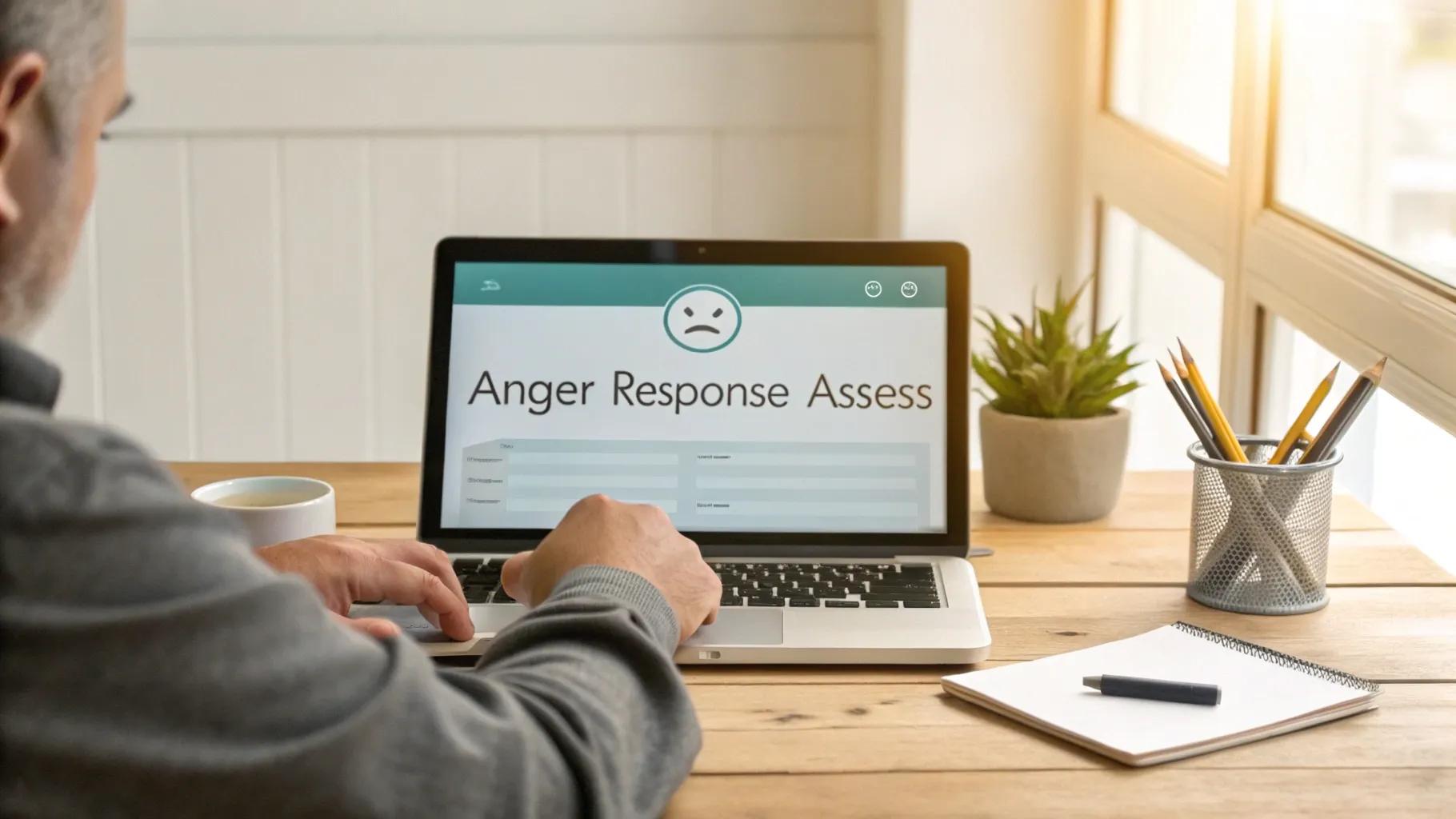
Understanding the root of anger is the first step toward managing it effectively. For many, an online anger management test for adults serves as a crucial, confidential tool to begin this journey. These assessments are designed to help you reflect on your responses to various stressful situations, identify patterns in your behavior, and gauge the intensity of your emotional reactions. By answering a series of targeted questions, you can gain valuable insights into whether your anger is a healthy emotion or a more problematic issue that might require further attention. This is not a diagnosis, but a powerful resource for self-reflection and personal growth.
What Do These Online Assessments Actually Measure?
An effective online anger management test for adults goes beyond simple yes-or-no questions. It typically evaluates several key areas. These include the frequency of angry feelings, the intensity of your anger, the duration of these emotions, and the extent to which anger negatively impacts your relationships, work, and overall quality of life. The questions are often situational, asking you to consider how you would react in specific scenarios, such as facing criticism, dealing with frustration, or experiencing injustice. The results can provide a comprehensive overview of your anger profile, highlighting strengths and areas that may need improvement.
From Insight to Action: Using Your Test Results Constructively
Once you've completed an assessment, the goal is to use the results as a catalyst for positive change. An elevated score is not a judgment but an indicator that you could benefit from developing new coping strategies. Here are practical steps to take after reviewing your results:
- Acknowledge the Patterns: Recognize the specific situations or thoughts that consistently trigger your anger. Awareness is the first step to change.
- Explore Management Techniques: Research and practice techniques like deep breathing, mindfulness, or taking a 'timeout' when you feel anger rising.
- Seek Professional Guidance: If your results concern you, consider speaking with a therapist or counselor who specializes in anger management. They can provide personalized strategies and support.
- Communicate Your Needs: Use your newfound insights to communicate more effectively with friends, family, and colleagues about your boundaries and needs.
Frequently Asked Questions
Are online anger management tests accurate?
While they are not a substitute for a professional diagnosis from a qualified psychologist, reputable online tests can provide a valuable and reasonably accurate snapshot of your anger patterns and tendencies. They are best used as a self-help tool for initial assessment.
Is my privacy protected when I take an online test?
Most legitimate websites offering these tests have clear privacy policies and do not require you to submit personally identifiable information to receive your results. Always choose a reputable source and review their privacy terms.
What is the difference between an online test and a clinical diagnosis?
An online test is a self-assessment tool that provides general feedback based on your answers. A clinical diagnosis is a formal evaluation conducted by a licensed mental health professional, involving a comprehensive interview, observation, and potentially standardized psychological testing. The test is a starting point; a diagnosis is a professional conclusion.
References
- American Psychological Association (APA) - Resources on Anger Management
- National Institute of Mental Health (NIMH) - Information on Emotional Health