
A Parent's Guide to the Online Anger Management Test for Kids
Fast Facts:
- Clarity: Quickly identifies potential anger triggers in a kid-friendly format.
- Parental Trend: Use of digital mental wellness tools for children has grown significantly, offering accessible first-step support.
Decoding Childhood Emotions: The Role of Digital Assessments
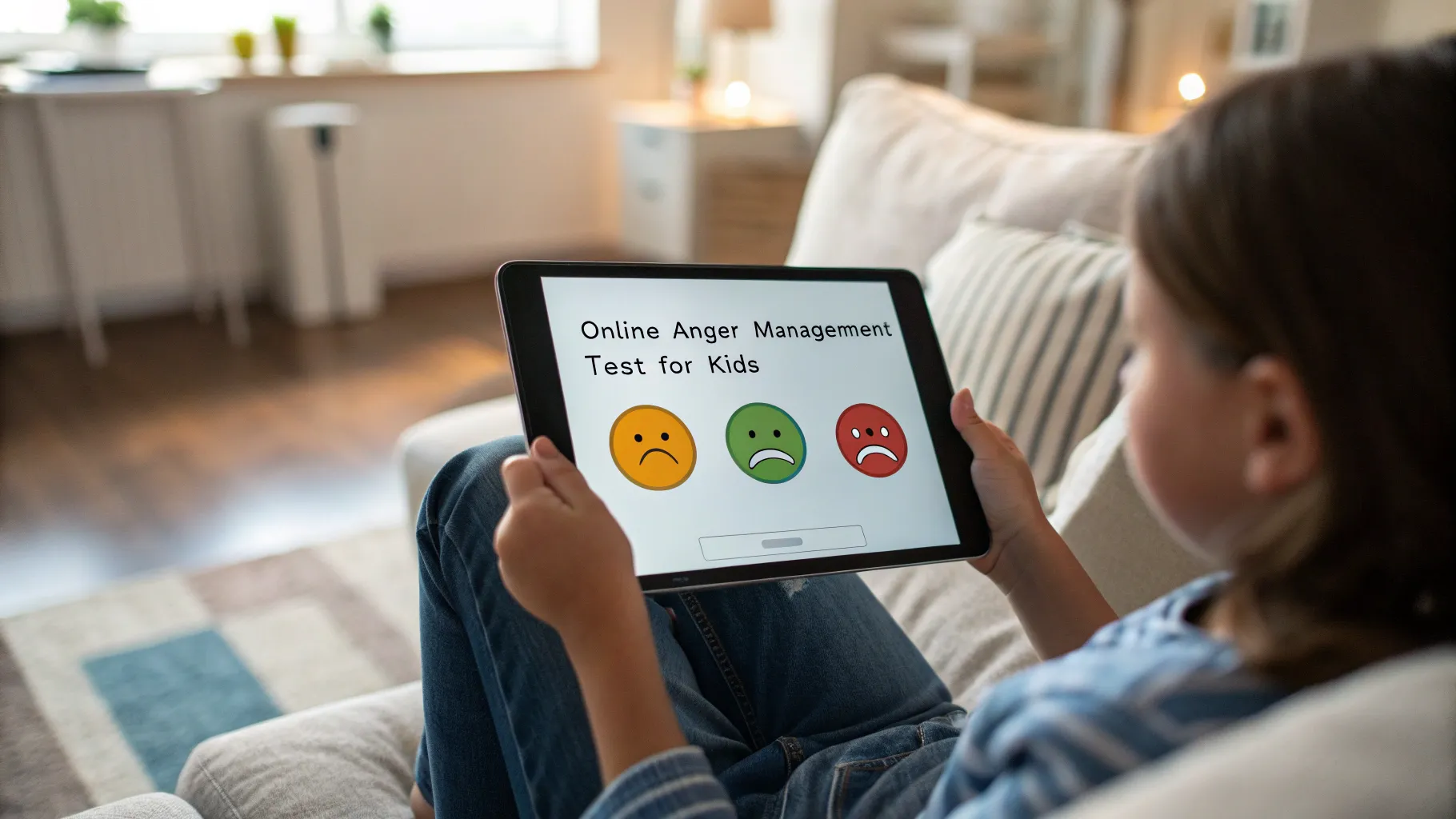
Navigating a child's big emotions can be challenging for any parent. When outbursts become frequent or intense, understanding the root cause is the first step toward finding a solution. An online anger management test for kids is a valuable, accessible tool designed to help identify triggers, patterns, and the intensity of a child's anger in a non-confrontational way. These assessments use age-appropriate scenarios and questions to provide insights that can guide parents and professionals toward effective support strategies, making it a crucial resource in a modern parenting toolkit.
What Do These Digital Assessments Actually Measure?
Unlike a simple quiz, a well-designed online anger management test for kids evaluates several key areas. It often presents relatable scenarios, like a sibling taking a toy or losing a game, and asks the child to select their likely reaction. This helps to gauge the intensity of their emotional response, their ability to self-regulate, and their understanding of consequences. The results can highlight specific triggers—such as frustration, injustice, or feeling unheard—and provide a clearer picture of whether the child's anger is situational or a more persistent challenge that may require professional guidance.
A Parent's Guide to Interpreting the Results
Receiving the results from an online assessment is just the beginning. The goal is not to label a child but to understand them better and find constructive ways to help. Here is how you can use the information productively:
- Identify Patterns: Look for recurring themes in the test results. Does your child consistently react strongly to situations involving fairness or sharing? This helps you anticipate and prepare for potential triggers.
- Open a Dialogue: Use the test scenarios as a neutral starting point for a conversation. Say, 'I saw this question about sharing toys. How does that feel when it happens to you?' This fosters open communication without blame.
- Focus on Skill-Building: The results can highlight areas for growth. If your child struggles with frustration, you can focus on teaching coping strategies like deep breathing or taking a short break.
- Seek Professional Input: If the results indicate significant challenges, consider them a prompt to consult with a child psychologist or school counselor. Share the results with them to provide a comprehensive overview.
Frequently Asked Questions
Is an online anger management test for kids a formal diagnosis?
No. These tests are valuable screening tools that provide insights and highlight areas of concern. They are not a substitute for a formal clinical diagnosis from a qualified mental health professional. Think of it as a first step to understanding the situation better.
At what age are these tests most effective?
Most online tests are designed for school-aged children, typically between 6 and 12 years old. The language and scenarios are tailored to their cognitive and emotional development. Always check the specific test's recommended age range for suitability.
How can I ensure my child's privacy with an online test?
Choose reputable websites, often associated with child psychology or educational organizations. Read their privacy policy to understand how data is collected and used. Avoid tests that ask for excessive personally identifiable information.
References
- The Child Mind Institute - Resources on Childhood Anger and Emotional Regulation.
- American Academy of Child and Adolescent Psychiatry - Information on behavioral assessments for children.