
A Parent's Guide to the Online Antisocial Personality Disorder Test for Kids
Fast Facts:
- Early Insight: Screening tools can provide preliminary insights into behavioral patterns.
- For Parents: Digital assessments are an increasingly common first step for parents seeking guidance on a child's conduct.
Understanding the Signs: When to Consider a Digital Screening
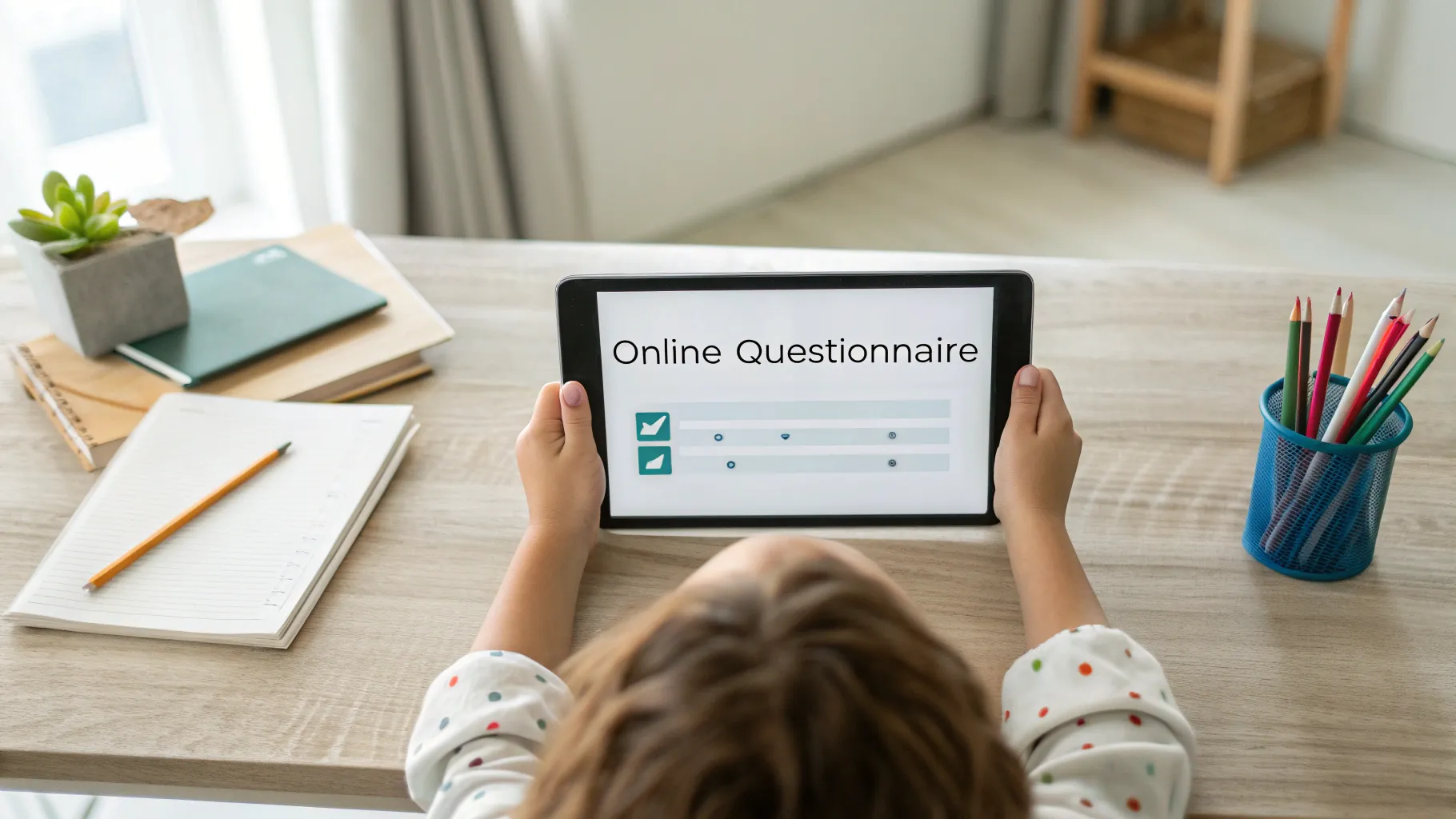
Navigating childhood behavior can be challenging for any parent. It's often difficult to distinguish between typical developmental defiance and patterns that might signal a more significant underlying issue. While not a diagnostic tool, an online antisocial personality disorder test for kids serves as a structured questionnaire designed to help parents and caregivers identify specific behaviors and traits that may warrant a professional consultation. These screeners typically explore patterns related to empathy, adherence to rules, impulsivity, and regard for others' feelings, providing a clearer picture that can be discussed with a healthcare provider.
What Do These Online Questionnaires Actually Evaluate?
It is crucial to understand that these online tests are not designed to deliver a diagnosis. Instead, they function as preliminary screening instruments. They compile parental observations into a quantifiable format, focusing on key behavioral domains. These often include a persistent disregard for social norms and the rights of others, difficulty forming genuine emotional connections, a low threshold for frustration, and a tendency towards aggressive or deceitful behavior. The questions are structured to assess the frequency and severity of these actions, helping to differentiate isolated incidents from consistent, long-term patterns that may be concerning.
Navigating the Results: A Parent's Action Plan
Receiving a concerning score on an online antisocial personality disorder test for kids can be alarming, but it's a starting point for action, not a conclusion. The primary goal is to use this information proactively to support your child. Here are constructive steps to take after completing a digital screening:
- Schedule a Professional Consultation: The most important step is to discuss the results and your observations with a qualified child psychologist, psychiatrist, or pediatrician. They can conduct a comprehensive evaluation.
- Document Specific Behaviors: Keep a journal of specific incidents, noting the context, the behavior, and the outcome. This provides valuable, concrete information for a professional.
- Avoid Labeling: Refrain from using labels or diagnostic terms with your child. Focus on addressing specific behaviors and promoting positive alternatives.
- Seek Family Support: Consider family therapy or parenting support programs. These resources can provide strategies for managing challenging behaviors and improving family dynamics.
- Focus on Open Communication: Create a safe environment where your child feels they can talk about their feelings and frustrations without judgment.
Frequently Asked Questions
Are these online tests a formal diagnosis?
No, absolutely not. These are informal screening tools. A formal diagnosis of any personality or conduct disorder can only be made by a qualified mental health professional after a thorough clinical evaluation, which often includes interviews, observation, and standardized psychological testing.
At what age is it appropriate to consider such a test?
Most clinicians are very cautious about diagnosing personality disorders in childhood, as personality is still developing. These screeners are typically aimed at identifying patterns in older children and adolescents. It is essential to consider the child's developmental stage, as behaviors that are concerning in a teenager might be more typical in a younger child.
What should I do if the results are concerning?
If the results of an online screening tool cause concern, the next step should always be to consult with a professional. Use the results as a conversation starter with your child's doctor or a mental health expert to determine the best path forward for a formal assessment and support.
References
- American Academy of Child and Adolescent Psychiatry
- National Institute of Mental Health (NIMH)
- American Psychological Association (APA)