
Understanding Your Child: A Guide to the Online Attachment Style Test for Kids
Fast Facts:
- Benefit: Helps understand your child's emotional needs.
- Trend for Parents: Digital tools are increasingly used for developmental insights.
Decoding Your Child's Relational World
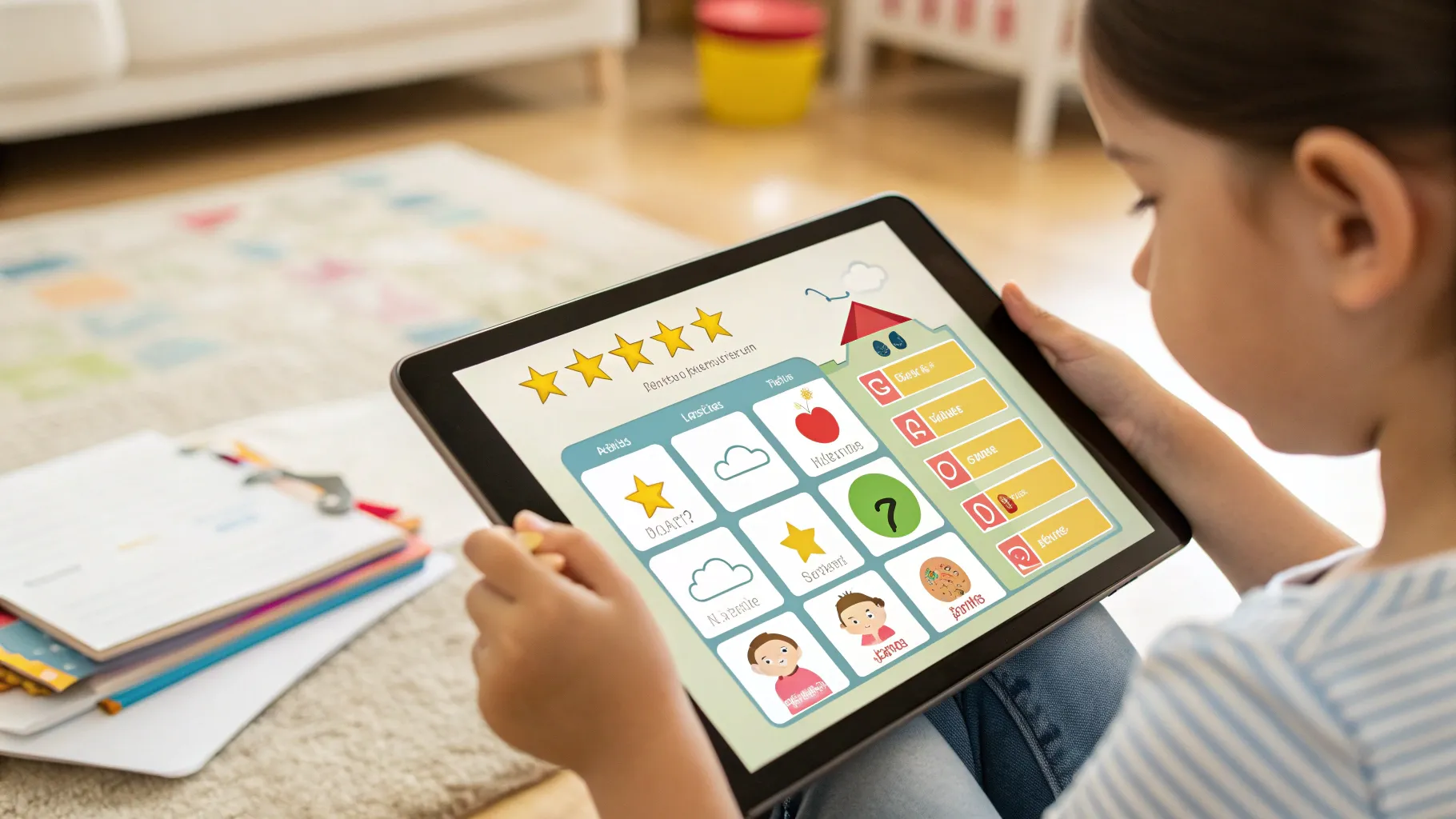
Understanding how your child forms bonds is crucial for their emotional development. An online attachment style test for kids provides a modern, accessible way for parents to gain insights into their child's unique way of connecting with others. These tests are not clinical diagnoses but are designed as tools to foster better communication and a stronger parent-child relationship by highlighting patterns of secure, anxious, or avoidant attachment behaviors in a child-friendly format.
What Do These Attachment Styles Look Like in Children?
Attachment styles, developed in early childhood, describe the nature of the emotional bond between a child and their primary caregiver. Identifying these patterns can help you support your child's emotional growth. The online attachment style test for kids often uses scenario-based questions to gauge these tendencies.
Secure Attachment: The Confident Explorer
A child with a secure attachment feels safe and confident in their relationship with their caregiver. They may be upset when the caregiver leaves but are easily soothed upon their return. They see their caregiver as a secure base from which to explore the world.
Anxious-Ambivalent Attachment: The Worried Watcher
Children with an anxious attachment style are often wary of strangers and become very distressed when a caregiver leaves. When the caregiver returns, the child may be difficult to soothe and can exhibit ambivalent behavior, seeking comfort but also showing resistance or anger.
Avoidant Attachment: The Independent Adventurer
This style is characterized by a child who shows little to no preference between a caregiver and a complete stranger. They may seem overly independent and might avoid or ignore the caregiver, showing little emotion when the caregiver departs or returns.
How to Use Test Results Constructively
Receiving results from an online attachment style test for kids is the first step. The goal is not to label your child but to use the information to strengthen your bond. Here’s how you can act on the insights.
- Foster Open Communication: Use the test as a conversation starter about feelings and relationships, tailored to your child's age.
- Enhance Responsiveness: Pay close attention to your child's emotional cues and try to respond consistently and sensitively. This builds trust and security.
- Create Predictable Routines: Consistency helps children, especially those with anxious tendencies, feel more secure in their environment.
- Seek Professional Guidance: If the results raise concerns, consider consulting a child psychologist or family therapist for professional advice and support.
Frequently Asked Questions
Are online attachment tests for kids accurate?
While they are not formal diagnostic tools, a well-designed online attachment style test for kids can provide valuable directional insights into a child's relational patterns. They are best used as a guide for parents.
At what age can a child take one of these tests?
Most tests are designed for children aged 4 and older, as they can better understand and respond to scenario-based questions. The format is typically gamified and visual to engage them.
Is an online test a substitute for professional help?
No. These tests are educational tools for parents. If you have significant concerns about your child's emotional well-being or behavior, it is essential to consult with a qualified mental health professional.
References
- Bowlby, J. (1969). Attachment and Loss, Vol. 1: Attachment. New York: Basic Books.
- Ainsworth, M. D. S., Blehar, M. C., Waters, E., & Wall, S. (1978). Patterns of Attachment: A Psychological Study of the Strange Situation. Hillsdale, NJ: Erlbaum.