
Online Autism Test for Adults: What You Need to Know Before You Start
Fast Facts:
- Initial Insight: Provides a confidential, preliminary self-screening for autistic traits.
- Growing numbers of adults are using online resources to better understand their neurotype.
Navigating Self-Discovery: The Role of Online Autism Assessments
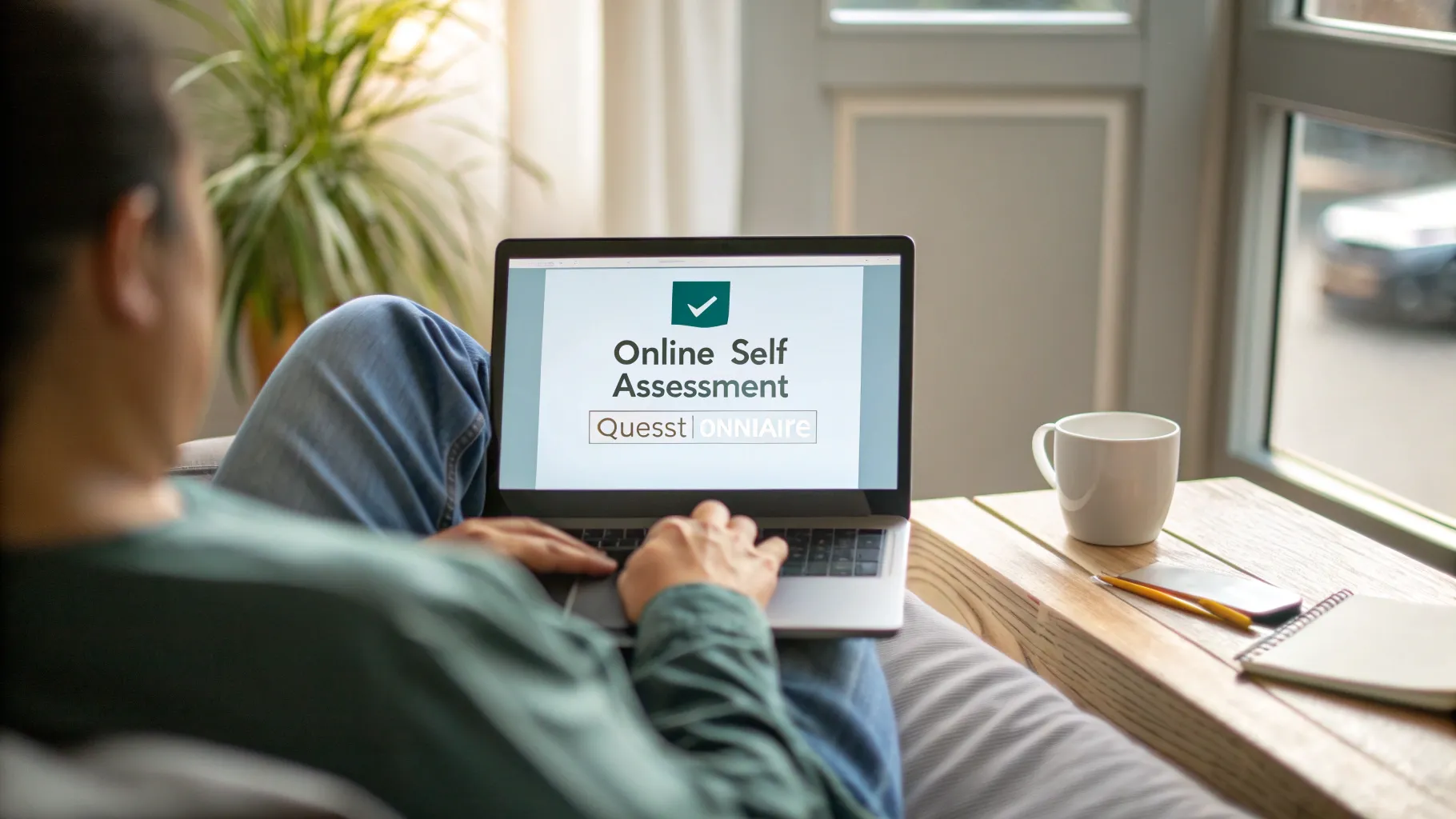
For many adults, the question of whether they might be on the autism spectrum is a profound step toward self-understanding. This journey often starts with a search for an online autism test for adults, which serves as an accessible first step to explore personal traits and experiences. While these online questionnaires are not a substitute for a formal clinical diagnosis, they can offer valuable insights, validate feelings you've had for years, and provide a structured starting point for a conversation with a qualified professional. Understanding their purpose and limitations is key to using them effectively.
What Do These Online Screeners Actually Measure?
Most online autism tests for adults are based on established screening tools like the Autism-Spectrum Quotient (AQ-10 or AQ-50) or the Ritvo Autism Asperger Diagnostic Scale-Revised (RAADS-R). They typically present a series of questions designed to gauge traits commonly associated with autism spectrum disorder (ASD). These areas often include social communication challenges, difficulties with social interactions, patterns of restricted or repetitive behaviors, intense special interests, and sensory sensitivities. Your answers are scored to produce a result that suggests whether you have a low, borderline, or high number of traits associated with autism. It's a data point, not a-definitive label.
How to Approach an Online Self-Assessment for Meaningful Results
To get the most value from an online screening tool, it's important to approach it with the right mindset. These are not pass/fail exams but instruments for self-reflection. The goal is to answer as honestly as possible, reflecting on your entire life, not just how you've felt in the last week. Consider patterns that have been present since childhood. Here are some tips for a more productive experience:
- Choose a calm and private environment where you won't be interrupted.
- Read each question carefully and consider lifelong patterns, not just recent behavior.
- Avoid trying to answer in a way you think you 'should'. Authenticity is key.
- Remember that the score is just one piece of a much larger puzzle about who you are.
Beyond the Score: Your Next Steps After the Test
Receiving a high score on an online autism test for adults can be an emotional experience, bringing feelings of relief, validation, or confusion. The most important next step is to seek a formal evaluation from a healthcare professional specializing in adult autism. A clinical psychologist, psychiatrist, or neurologist can conduct a comprehensive diagnostic assessment, which may include clinical interviews, observational assessments, and a review of your developmental history. A formal diagnosis can open doors to understanding, community, and appropriate support or accommodations in the workplace or educational settings. Use the online test result as a catalyst for a deeper, professionally-guided exploration.
Frequently Asked Questions
Are online autism tests accurate?
Online tests function as screeners, not diagnostic tools. Their accuracy is limited, as they cannot capture the nuances of an individual's life and experiences. They can indicate the potential presence of autistic traits but should not be considered a diagnosis. A high score suggests that a formal evaluation by a professional is a reasonable next step.
Can I get a formal diagnosis based on an online test?
No, a formal diagnosis cannot be made from an online test alone. A comprehensive diagnostic evaluation conducted by a qualified clinician is required. This process is thorough and considers many factors beyond what a simple questionnaire can cover.
What should I do with my online test results?
If your results from an online autism test for adults indicate you may be on the spectrum, consider it a starting point. You can save or print your results and bring them to a doctor, therapist, or a specialist in adult autism to begin a conversation about a formal assessment.
References
- Information compiled from leading autism research organizations and mental health institutes.
- Guidelines from clinical psychology associations on adult ASD assessment.
- Peer-reviewed studies on the efficacy of self-reported screening questionnaires.