
Online Borderline Personality Disorder Test for Adults: A Guide
Fast Facts:
- Benefit: A quick, private initial self-assessment from home.
- Online self-assessments are a growing first step for adults seeking mental health insights.
Navigating Self-Assessment: What to Expect from an Online BPD Test
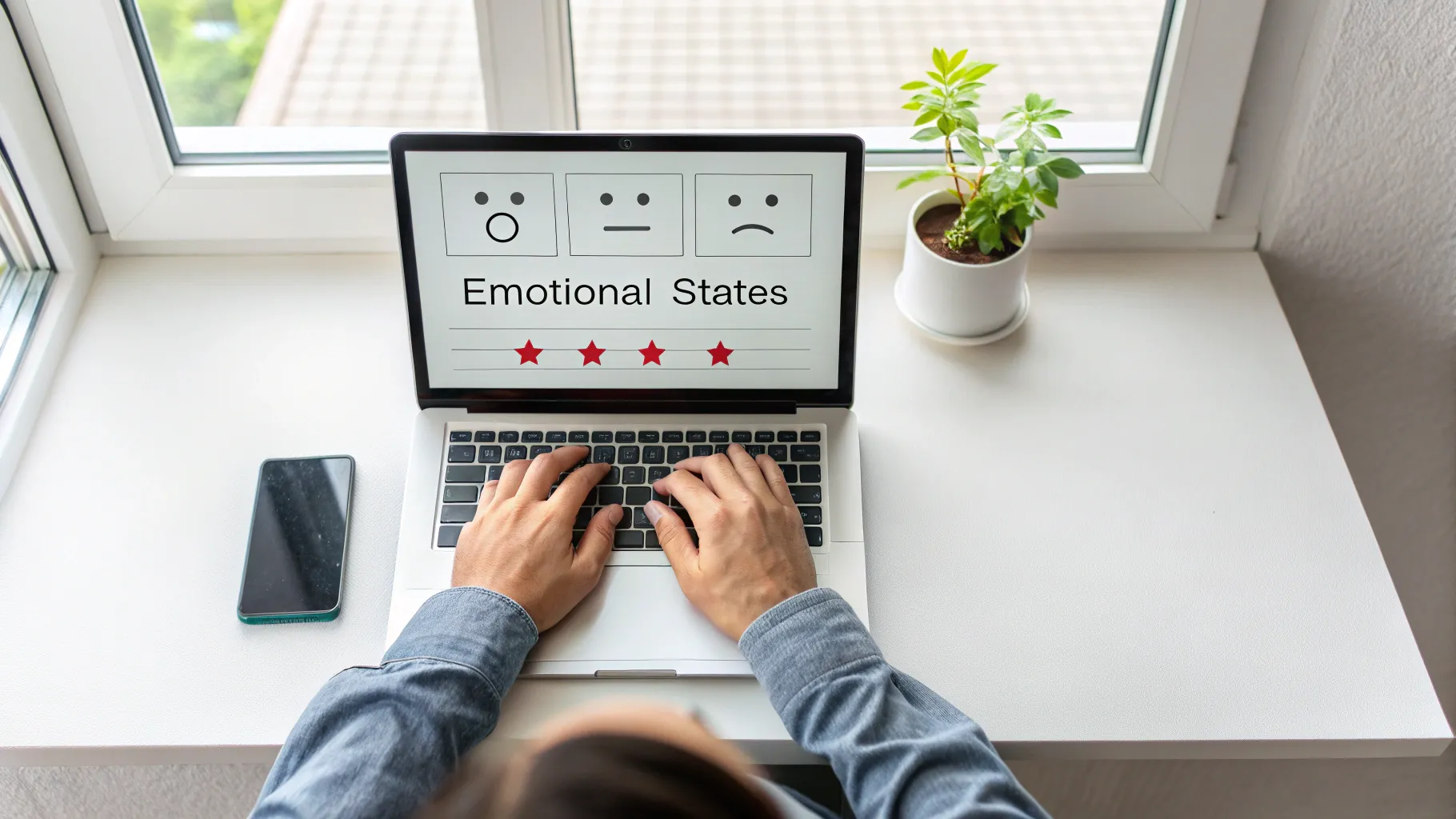
Taking an online borderline personality disorder test for adults can feel like a significant step toward understanding your emotional world. These questionnaires are designed as preliminary screening tools, not as diagnostic instruments. They typically consist of a series of questions based on the criteria for Borderline Personality Disorder (BPD) outlined in the Diagnostic and Statistical Manual of Mental Disorders (DSM-5). The goal is to help you identify patterns in your thoughts, feelings, and behaviors that may warrant a discussion with a mental health professional. It's a confidential way to gather personal insights before seeking a formal evaluation.
Understanding Your Results: A Guide to Interpretation
After completing an online borderline personality disorder test for adults, you will typically receive a score or a summary of your responses. It is crucial to interpret these results with caution. A high score does not mean you have BPD, and a low score does not rule it out. Instead, view the results as a conversation starter. They highlight areas of potential concern, such as emotional instability, difficulties with interpersonal relationships, or struggles with self-image. The true value of the test lies in its ability to organize your experiences into a format that can be effectively communicated to a therapist or psychiatrist for a comprehensive evaluation.
Actionable Steps After Taking an Online Test
Receiving your results can bring up many questions about what to do next. The most important step is to connect with a qualified professional. An online test is a tool for self-reflection, but a formal diagnosis requires a clinical interview and a thorough assessment of your history and symptoms. Here are some concrete actions you can take:
- Schedule a Consultation: Book an appointment with a psychologist, psychiatrist, or licensed therapist who specializes in personality disorders.
- Share Your Results: Bring a printout or summary of your test results to your appointment to facilitate the discussion.
- Educate Yourself: Read reputable information about BPD from sources like the National Institute of Mental Health (NIMH) or the National Alliance on Mental Illness (NAMI).
- Avoid Self-Diagnosis: Resist the urge to draw firm conclusions from the test alone. Use it as a catalyst for seeking professional guidance.
Frequently Asked Questions
Are online borderline personality disorder tests accurate?
Their accuracy varies. Reputable tests are designed as screening tools and can be effective at identifying potential traits of BPD. However, they are not a substitute for a comprehensive diagnostic evaluation by a qualified mental health professional.
Can I get a diagnosis from an online test?
No. A formal diagnosis of Borderline Personality Disorder can only be made by a licensed healthcare provider, such as a psychiatrist or psychologist, after a thorough clinical assessment.
What should I look for in a reliable online BPD test?
Look for tests that are based on established diagnostic criteria (like the DSM-5), are transparent about their limitations, and explicitly state that they are not a substitute for professional medical advice. Tests provided by reputable mental health organizations are often more reliable.
References
- American Psychiatric Association. (2013). Diagnostic and statistical manual of mental disorders (5th ed.).
- National Institute of Mental Health (NIMH) - Borderline Personality Disorder.
- National Alliance on Mental Illness (NAMI) - Borderline Personality Disorder.