
Online Dissociative Disorder Test for Kids: A Parent's Guide
Fast Facts:
- Preliminary Insight: Online screeners can offer initial clues about potential symptoms.
- Digital mental health resources are increasingly used by parents for early guidance.
Understanding What an Online Dissociative Test for Kids Actually Measures
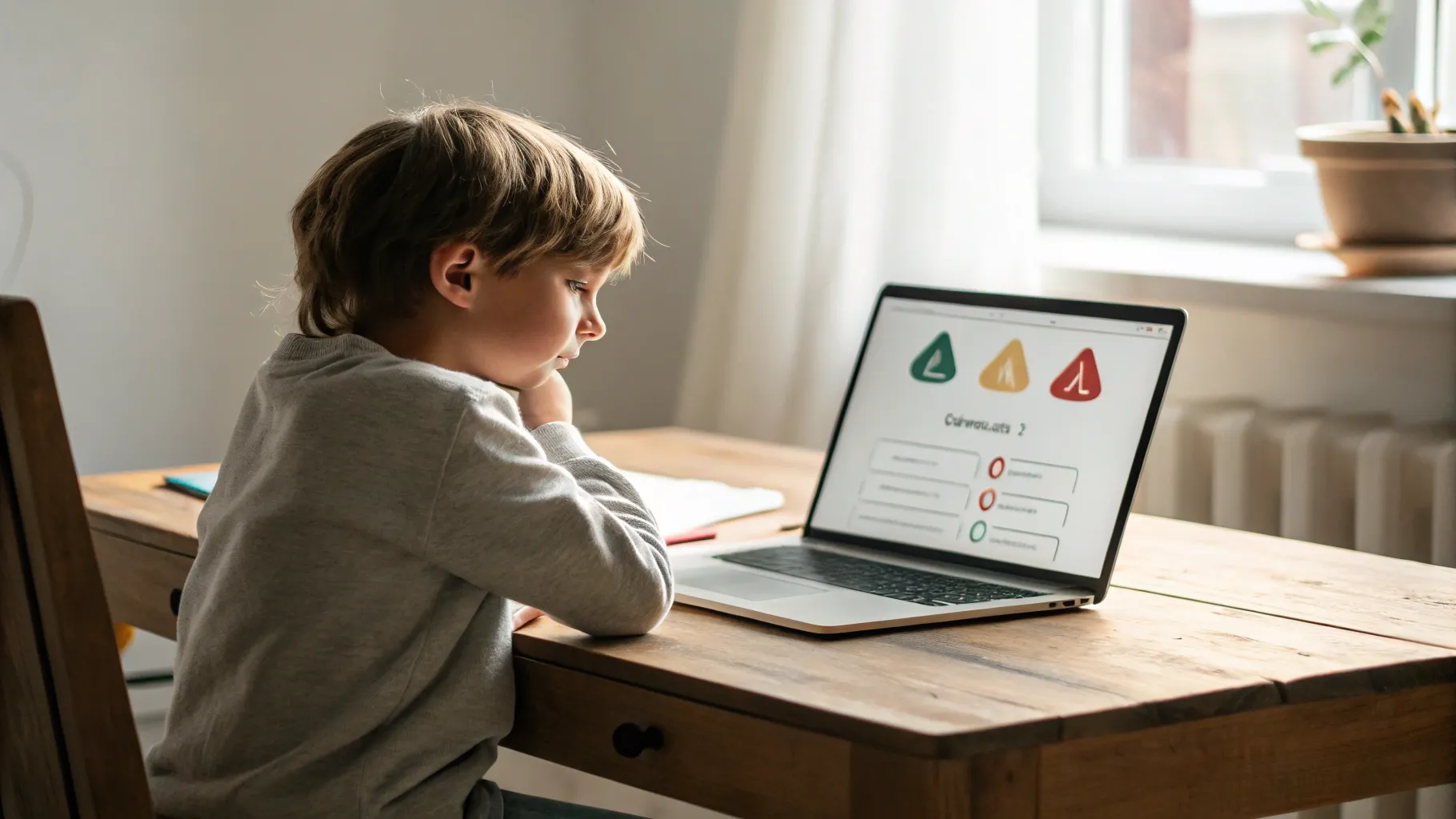
When a child seems disconnected, has significant memory gaps, or describes feeling unreal, parents often turn to the internet for answers. An online dissociative disorder test for kids is a screening tool designed to identify potential symptoms associated with dissociative disorders. These quizzes typically ask questions about experiences like depersonalization (feeling detached from oneself), derealization (feeling the world isn't real), amnesia (memory gaps), and identity confusion. It's crucial to understand that these tests are not a diagnosis but rather a preliminary step to help parents and caregivers organize their concerns before seeking professional help. They can provide a structured way to look at behaviors that might otherwise be confusing or overlooked.
Navigating the Common Symptoms Screened in a Test
Most online tests for dissociative disorders in youth are structured to probe for specific psychological experiences. They often include questions aimed at identifying memory lapses that go beyond typical forgetfulness, such as not remembering significant events. Another key area is identity alteration, where a child may feel like they are more than one person or act like a completely different individual at times. The tests also screen for feelings of detachment, where a child might describe watching themselves from outside their body or feeling as if their surroundings are foggy or dreamlike. Recognizing these patterns is the primary goal of any reputable online dissociative disorder test for kids.
How to Responsibly Use Online Screening Tools
Using an online test requires a thoughtful and supportive approach. These tools can cause anxiety if not framed correctly. Here is some actionable advice for parents considering this path:
- Use as an Informational Tool: Emphasize that the test is just a way to gather information, not a final judgment or diagnosis. It helps organize thoughts for a professional conversation.
- Create a Safe Environment: Ensure your child feels safe, unpressured, and comfortable while taking the test. Their emotional well-being is the top priority.
- Review Results Together: Discuss the results with your child in an open, non-judgmental way. Focus on their feelings and experiences rather than the score itself.
- Consult a Professional: Regardless of the outcome, the most responsible next step is to discuss the concerns and the test results with a child therapist, psychologist, or psychiatrist who specializes in childhood trauma and dissociation.
Frequently Asked Questions
Are online dissociative disorder tests for kids accurate?
These tests are screening tools, not diagnostic instruments. They can indicate potential issues but cannot replace a comprehensive evaluation by a qualified mental health professional. Accuracy varies widely between different tests.
At what age can a child take such a test?
Most online tools are designed for adolescents or older children who can accurately self-report their experiences. For younger children, a parent-led observation checklist or a direct consultation with a child psychologist is more appropriate.
What should I do if the test results are concerning?
If the results from an online dissociative disorder test for kids suggest potential concerns, it is crucial to schedule an appointment with a child psychologist, psychiatrist, or therapist specializing in childhood trauma and dissociation for a formal assessment.
References
- Child Mind Institute - Understanding Dissociation in Children.
- International Society for the Study of Trauma and Dissociation (ISST-D) Guidelines.
- National Alliance on Mental Illness (NAMI) - Dissociative Disorders.