
The Best Online Emotional Intelligence Test for Kids: A Parent's Guide
Fast Facts:
- Nurtures Empathy: Helps children identify and understand emotions in themselves and others.
- Growing Trend: More parents are using digital tools to support their child's emotional development and social skills.
Unlocking Your Child's Emotional World Through Digital Tools
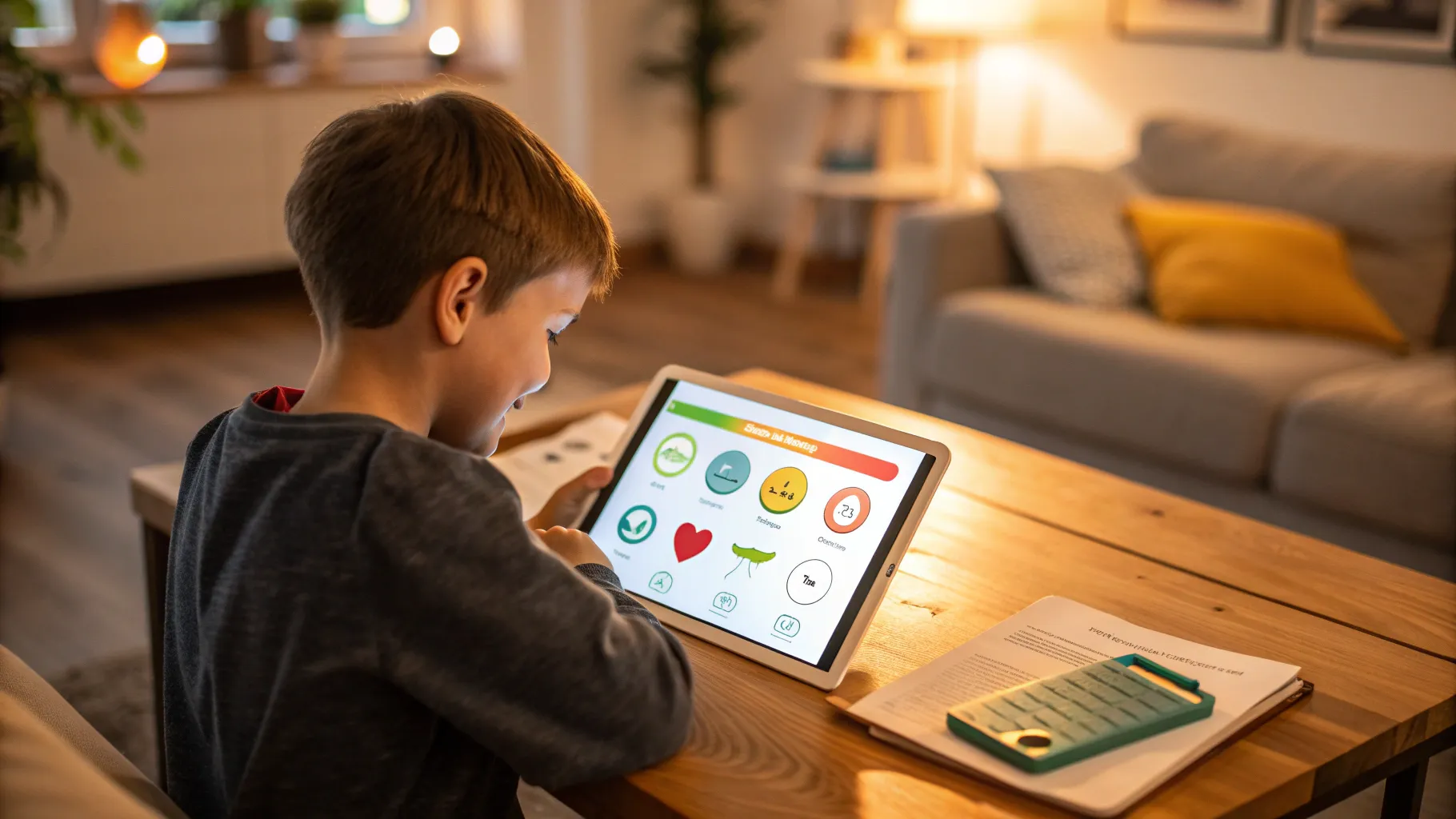
In today's complex world, understanding and managing emotions—also known as emotional intelligence (EQ)—is a critical life skill. For parents seeking to support their child's development in this area, an online emotional intelligence test for kids can be an invaluable starting point. These engaging, interactive assessments provide a snapshot of a child's ability to perceive, use, understand, and manage emotions, offering actionable insights in a fun, accessible format that feels more like a game than a test.
What Do These Online Tests Actually Measure?
A well-designed online emotional intelligence test for kids typically evaluates several core competencies. These include self-awareness (recognizing one's own emotions), self-regulation (managing emotional responses), empathy (understanding the feelings of others), and social skills (handling relationships effectively). The tests use scenario-based questions, picture-matching, and interactive stories to gauge a child's responses in these key areas, providing parents with a holistic view of their child's emotional landscape.
Choosing the Right EQ Assessment for Your Child
With a growing number of options available, selecting the right test is crucial. It's not about finding a definitive score, but rather a tool that can facilitate growth and understanding. Keep an eye out for assessments that are backed by child development experts and offer clear, constructive feedback rather than just a simple number. The goal is to find a resource that empowers both you and your child on the journey of emotional learning.
- Age-Appropriateness: Look for tests designed specifically for your child's age group to ensure the questions and format are relevant and engaging.
- Scientific Backing: Prefer tools developed by child psychologists or educational experts to ensure the methodology is sound.
- Engaging Interface: A game-like, visually appealing design will keep your child interested, leading to more authentic responses.
- Actionable Feedback: The best tests don't just give a score; they offer clear reports and suggestions for parents to help nurture specific skills.
Frequently Asked Questions
Are online emotional intelligence tests for kids accurate?
While accuracy can vary, reputable tests designed by psychologists offer valuable insights into a child's emotional tendencies and areas for growth. They are best used as a guide and a conversation starter, not as a definitive diagnosis.
At what age can a child take an EQ test?
Many online tests are designed for children as young as 5 or 6, with different versions available for various age brackets, including pre-teens and teenagers. Always choose a test that is appropriate for your child's developmental stage.
How can I use the test results to help my child?
Use the feedback to open up conversations about feelings. You can discuss the scenarios from the test, read books that explore different emotions, and model healthy emotional expression in your daily interactions. The results can highlight specific areas, like empathy or self-control, where your child might need more support.
References
- Peer-reviewed studies on child psychology and emotional learning.
- Publications from leading educational and child development institutions.
- Resources from reputable educational technology platforms.