
A Parent's Guide to Using an Online Mood Disorder Test for Kids
Fast Facts:
- Early Insight: Helps identify potential mood issues early.
- Parents are increasingly using digital tools for initial mental health screenings for their children.
Navigating Your Child's Emotional Health: The Role of Digital Screening
Understanding a child's emotional landscape can be challenging for any parent. Differentiating between normal developmental mood swings and potential signs of a more significant issue is a common concern. In today's digital age, an online mood disorder test for kids can serve as a valuable first step, providing structured insights and helping parents decide when it might be time to seek professional guidance. These confidential tools are designed to screen for symptoms related to various mood disorders in an accessible and non-intimidating way.
What Do These Online Assessments Actually Measure?
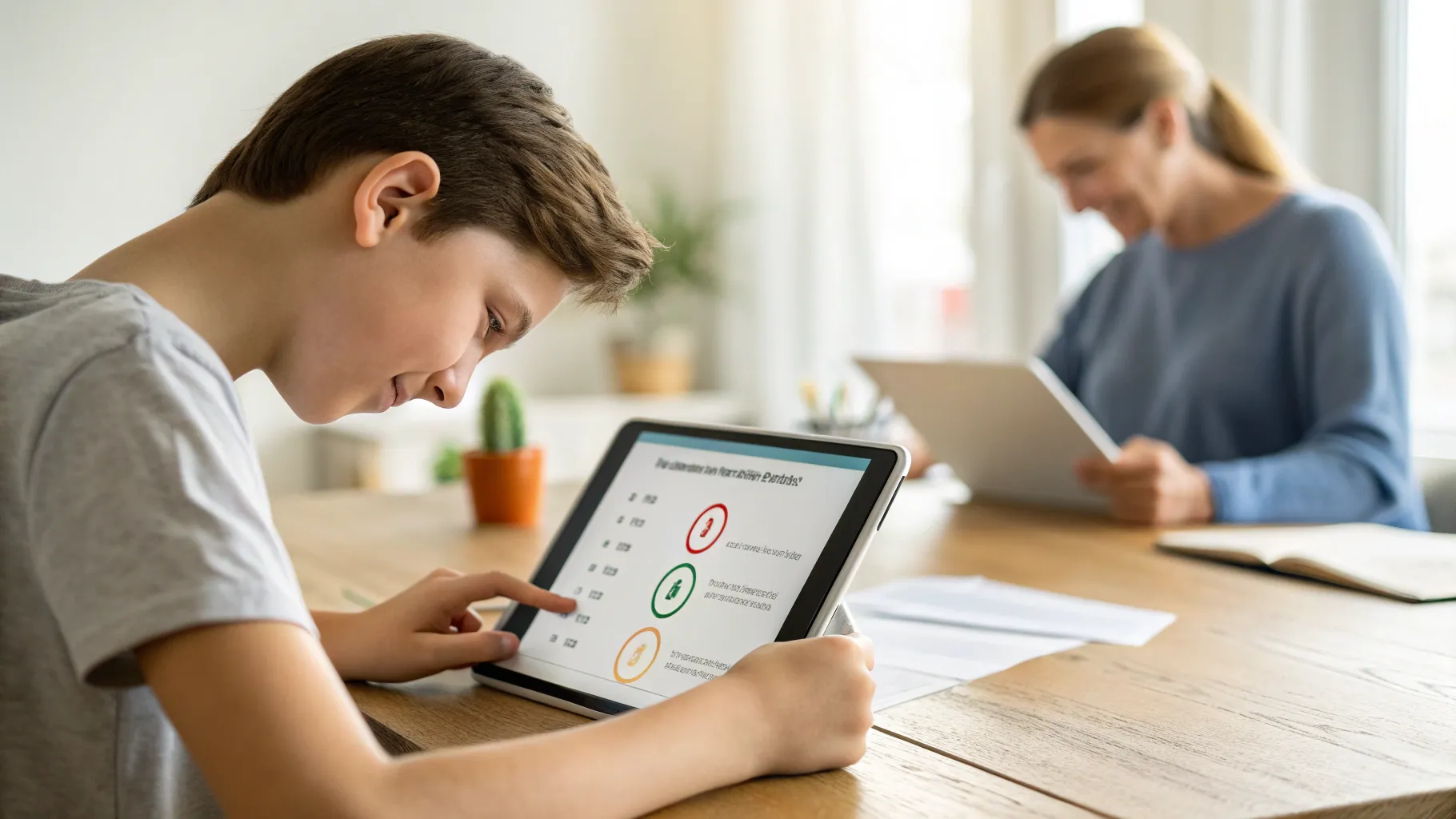
It's crucial to understand that an online mood disorder test for kids is not a diagnostic tool. Instead, it is a screener. These questionnaires typically evaluate patterns in a child's behavior, feelings, and thoughts over a period of time. They may ask questions related to persistent sadness, irritability, loss of interest in activities, changes in sleep or appetite, and difficulty concentrating. The results provide a snapshot that can highlight areas of concern, rather than delivering a formal diagnosis. Think of it as a thermometer for emotional health—it tells you if there's a fever, but a doctor is needed to find the cause.
How to Choose and Use an Online Test Responsibly
When you decide to use an online screening tool, approaching it with care is essential to ensure the process is helpful and not anxiety-inducing for you or your child. The goal is to gather information in a supportive manner.
- Source Credibility: Opt for tests developed by reputable mental health organizations, universities, or clinical institutions. Look for transparency in how the test was created.
- Age Appropriateness: Ensure the test is specifically designed for your child's age group, as symptoms and language comprehension differ greatly between a 7-year-old and a 15-year-old.
- Take it Together: Complete the assessment with your child in a calm, private environment. This allows you to answer their questions and frame it as a health check-in rather than something to be feared.
- View as a Starting Point: Use the results as a catalyst for a conversation with a pediatrician, school counselor, or child psychologist. The results are data points, not a definitive label.
After the Test: Understanding the Next Steps
Receiving results that suggest a potential issue can be unsettling, but it is a proactive step toward getting your child the support they need. The primary goal of using an online mood disorder test for kids is to gather information. If the results indicate a high likelihood of a mood disorder, the next step is to schedule an appointment with a qualified healthcare professional. They can conduct a comprehensive evaluation, which may include clinical interviews and observations with both you and your child, to make an accurate diagnosis and recommend an appropriate, evidence-based treatment plan.
Frequently Asked Questions
Are online mood disorder tests for kids accurate?
These tests are screeners, not diagnostic tools. Their accuracy lies in their ability to identify potential warning signs that warrant a professional evaluation. They are a good first step but should never replace a consultation with a doctor or mental health expert.
At what age can a child take one of these tests?
Many tests are designed for specific age ranges, often starting from school-aged children (around 6-8 years) through adolescence. Always check the test's guidelines to ensure it is appropriate for your child's developmental stage.
Is my child's privacy protected?
Reputable sources will have clear privacy policies. Avoid sites that ask for excessive personally identifiable information. Look for tests offered by established healthcare or non-profit organizations to ensure data security.
References
- National Institute of Mental Health (NIMH) - Child and Adolescent Mental Health.
- American Academy of Child and Adolescent Psychiatry (AACAP) - Resource Centers.
- Child Mind Institute - Mental Health Resources for Families.