
Is It More Than Worry? A Guide to the Online Panic Disorder Test for Kids
Fast Facts:
- Early Identification: Early screening can lead to better management strategies.
- For Parents: Online tools offer a private, accessible first step for concerned parents.
Understanding Your Child's Anxiety: What a Digital Test Reveals
Navigating a child's emotional world can be challenging, especially when intense moments of fear or panic arise. Many parents wonder if their child's experiences are normal developmental anxiety or signs of something more serious. An online panic disorder test for kids is a preliminary tool designed to help parents and caregivers identify potential symptoms and patterns that may warrant a professional evaluation. This accessible first step can provide valuable insights and guide you toward the right support system for your child's mental well-being, distinguishing between typical childhood fears and the specific markers of panic disorder.
How Do These Online Assessments for Children Work?
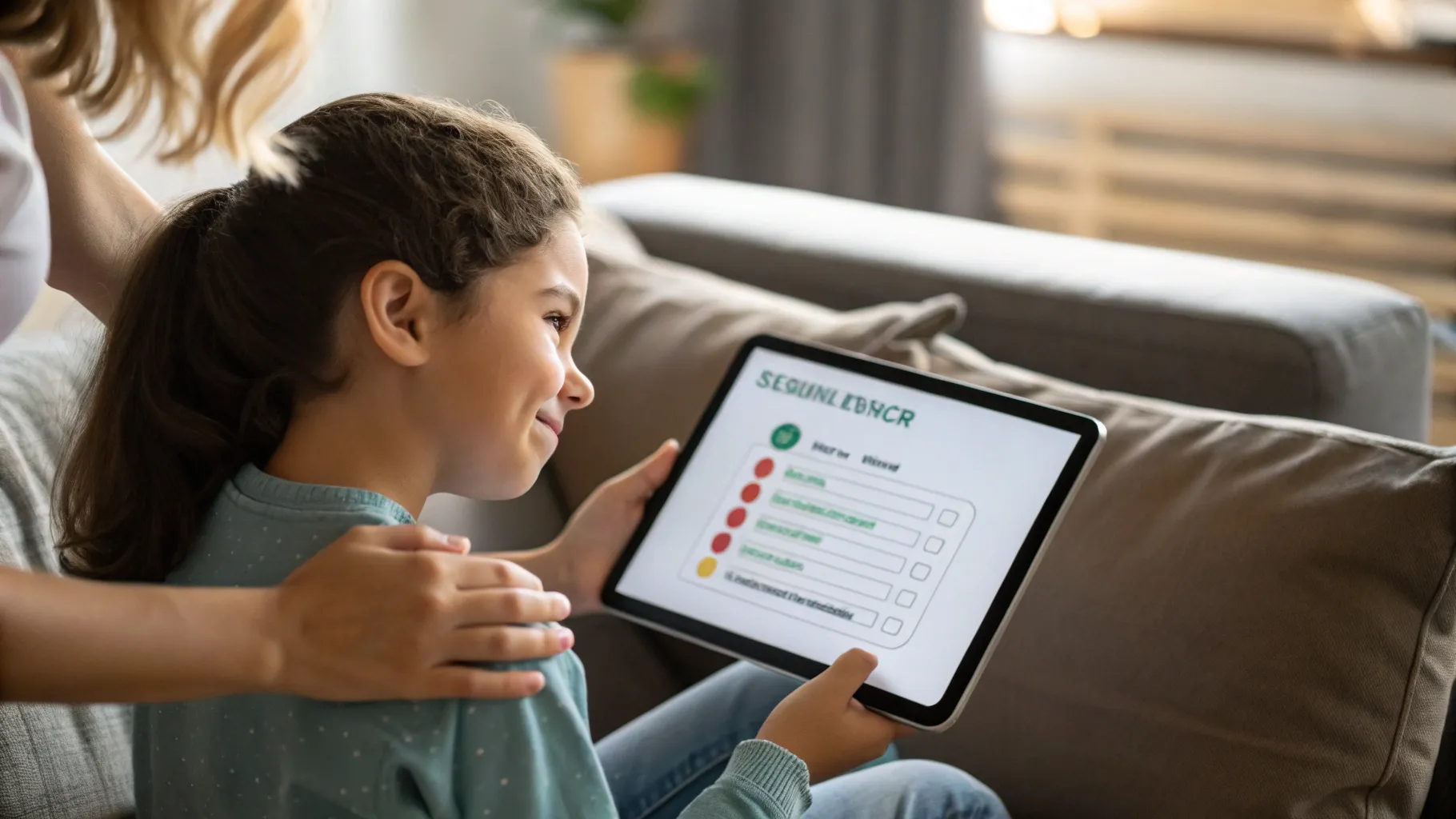
Typically, an online panic disorder test for kids is structured as a user-friendly questionnaire. It asks questions about the frequency and intensity of specific physical and emotional symptoms. These might include sudden feelings of intense fear, a racing heart, shortness of breath, dizziness, or a fear of losing control. The questions are carefully worded to be understood by children or their parents. It's crucial to remember that these tests are screeners, not diagnostic instruments. Their purpose is to gather information and highlight patterns that correlate with the symptoms of panic disorder, providing a structured way to present your concerns to a healthcare provider.
Key Indicators the Test Looks For
The core of an online assessment is to identify the hallmarks of a panic attack and the subsequent anxiety about future attacks. The test will likely ask about unexpected and recurrent panic attacks, followed by at least one month of persistent concern about having another attack or significant changes in behavior related to the attacks (e.g., avoiding school or social situations). These questions help differentiate panic disorder from other forms of anxiety. The results can help clarify whether the child's experience aligns with the clinical criteria for the condition, making it an invaluable tool for parents seeking to understand their child's distress.
Steps to Take After an Online Assessment
- Discuss Gently: Talk about the results with your child in an open, reassuring, and non-judgmental way. Emphasize that you are there to help them.
- Consult a Professional: Schedule an appointment with a pediatrician, child psychologist, or psychiatrist for a comprehensive evaluation.
- Share the Results: Bring a printout or summary of the online test results to your appointment. It can serve as an excellent starting point for the conversation.
- Explore Treatment Options: If a diagnosis is made, discuss evidence-based treatments like Cognitive Behavioral Therapy (CBT), which is highly effective for panic disorder in children.
- Create a Supportive Environment: Focus on building a calm, predictable, and supportive home environment where your child feels safe to express their feelings.
Frequently Asked Questions
Is an online panic disorder test a formal diagnosis?
No, an online panic disorder test for kids is a screening tool, not a clinical diagnosis. It is designed to identify potential symptoms and suggest whether a professional evaluation is advisable. A formal diagnosis can only be made by a qualified healthcare professional, such as a child psychologist or psychiatrist.
At what age can a child take one of these tests?
Most online tests are designed for children aged 8 and older, as they require a certain level of reading comprehension and self-awareness. For younger children, assessments are typically observational questionnaires completed by parents. Always check the specific test's age recommendations.
How can I ensure my child's privacy with an online test?
Choose reputable websites, often associated with established mental health organizations or pediatric institutions. Read their privacy policy to understand how data is collected, stored, and used. Avoid any tests that ask for excessive personally identifiable information beyond what is necessary for the assessment.
References
- Information from the American Academy of Child and Adolescent Psychiatry.
- Guidelines from the National Institute of Mental Health (NIMH) on childhood anxiety disorders.
- Research on Cognitive Behavioral Therapy (CBT) for pediatric panic disorder.