
Online Schizophrenia Test for Adults: A Guide to Self-Screening
Fast Facts:
- Benefit: Provides a quick, private initial self-assessment.
- A growing trend for adults is using accessible digital tools for preliminary mental health screening.
Understanding Your Mind: Can an Online Test Indicate Schizophrenia?
Navigating mental health concerns can be a daunting process, and many individuals turn to the internet for initial answers. An online schizophrenia test for adults is a screening tool designed to help individuals identify potential symptoms or risk factors associated with the condition from the privacy of their own home. It is crucial to understand that these tests are not diagnostic tools. Instead, they function as preliminary questionnaires that assess experiences related to thought patterns, perceptions, and social functioning. They can be a valuable first step in recognizing that a professional consultation may be necessary, but they can never replace a comprehensive evaluation by a qualified healthcare provider.
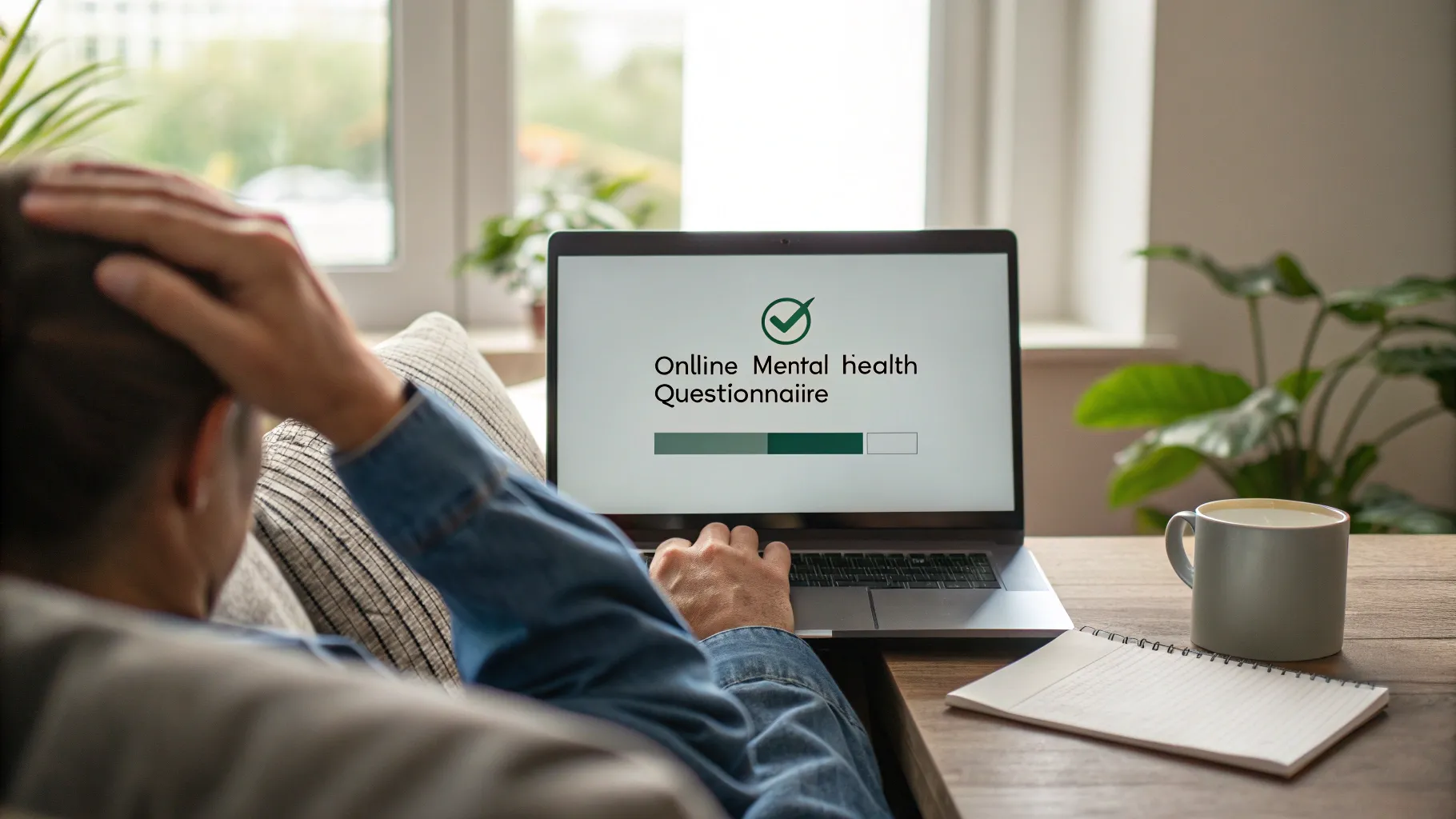
How Do These Digital Screenings Actually Work?
Most reputable online screenings are based on the criteria outlined in the Diagnostic and Statistical Manual of Mental Disorders (DSM-5). They present a series of questions that probe for common symptoms of schizophrenia and other psychotic disorders. These questions typically cover positive symptoms (like hallucinations or delusions), negative symptoms (such as emotional flatness or lack of motivation), and cognitive symptoms (including disorganized thinking or difficulty concentrating). The user's answers are scored to produce a result that indicates a low, medium, or high likelihood of experiencing symptoms that warrant further professional assessment. The primary goal is to provide a structured way for an individual to reflect on their experiences and share this information with a doctor.
Recognizing the Limitations and Risks of Self-Assessment
While an online schizophrenia test for adults offers accessibility and privacy, it's vital to acknowledge its limitations. These tools lack the nuanced understanding of a trained clinician who can consider context, co-occurring conditions, and individual life circumstances. This can lead to false positives, causing unnecessary anxiety, or false negatives, providing a false sense of security. Relying solely on a digital test can delay seeking proper medical care. It should only be used as an informational resource to prompt a conversation with a mental health professional, not as a conclusion about one's mental state.
Actionable Steps After Completing an Online Screening
- Do Not Self-Diagnose: Remember that the result is not a diagnosis. It is an indication that you may have symptoms that need to be explored further by a professional.
- Save Your Results: Take a screenshot or print out the summary of your results. This can be a useful document to bring to a doctor's appointment.
- Consult a Professional: Schedule an appointment with a psychiatrist, psychologist, or a general practitioner to discuss your concerns and the test results.
- Be Open and Honest: During your consultation, provide a complete picture of your experiences. The information from the test can serve as a starting point for this conversation.
- Seek a Comprehensive Evaluation: A formal diagnosis can only be made after a thorough clinical assessment, which may include interviews, psychological evaluations, and ruling out other medical conditions.
Frequently Asked Questions
Is an online schizophrenia test accurate?
Its accuracy is limited. It serves as a preliminary screening tool, not a diagnostic instrument. Accuracy varies between tests, and it cannot replace a clinical evaluation by a psychiatrist or psychologist. Its main purpose is to identify potential symptoms that warrant further professional investigation.
What kind of questions are on an online schizophrenia test for adults?
Questions typically focus on experiences related to psychosis, such as changes in perception (hallucinations), thought patterns (delusions), disorganized speech, negative symptoms (like lack of motivation or social withdrawal), and significant changes in daily functioning.
Is my privacy protected when I take an online test?
This depends entirely on the website providing the test. It is essential to use reputable sources, such as those affiliated with mental health organizations or academic institutions, that have a clear and transparent privacy policy. Avoid tests that request excessive personal information.
References
- American Psychiatric Association. (2013). Diagnostic and statistical manual of mental disorders (5th ed.).
- National Institute of Mental Health (NIMH). Schizophrenia.
- World Health Organization (WHO). (2019). International statistical classification of diseases and related health problems (11th ed.).