
The Parent's Guide to the Online Self Esteem Test for Kids
Fast Facts:
- Clarity: Quickly gauge your child's emotional well-being.
- Digital tools are increasingly used by parents to understand and support their children's mental health.
Understanding Your Child's Inner World: A Digital Approach
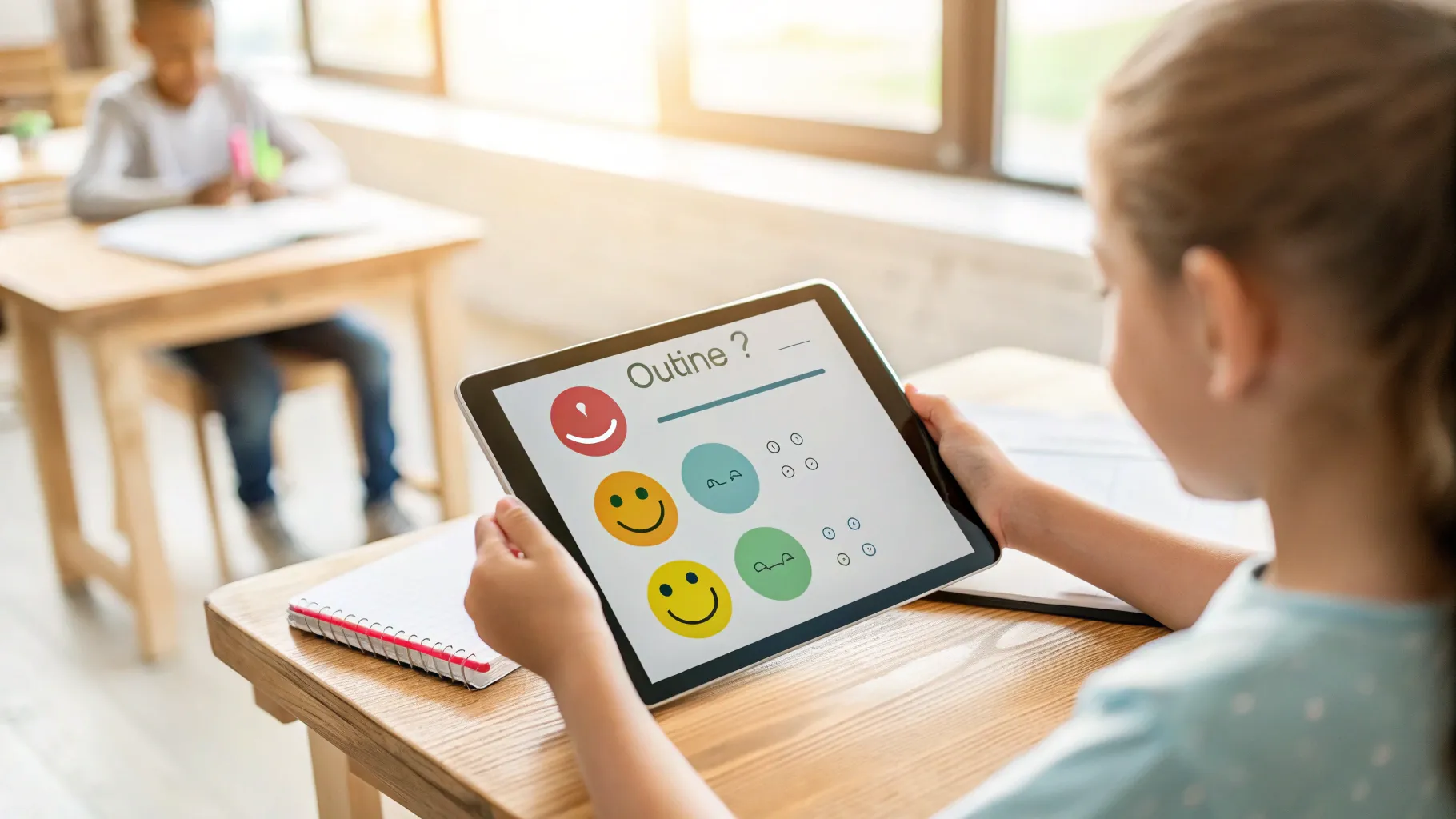
In today's fast-paced world, understanding a child's emotional landscape can be challenging. A well-designed online self esteem test for kids serves as a valuable, private tool for parents to gain insight into how their children perceive themselves. These tests are not diagnostic tools but rather conversation starters, offering a structured way to explore feelings about competence, belonging, and self-worth. By using age-appropriate questions, they can help identify areas where a child might be struggling or, conversely, where they feel confident and secure, providing a crucial first step in fostering a healthy sense of self.
What Do These Digital Quizzes Actually Measure?
An effective online self esteem test for kids typically assesses several core areas of a child's life. These quizzes are crafted to evaluate their feelings about social interactions and friendships, their confidence in academic or school-related abilities, their perception of their physical appearance and skills, and their general sense of happiness and emotional stability. The results can paint a picture of their overall self-concept, highlighting the specific domains where they feel strong and where they might need more encouragement and support from their family and educators.
How to Positively Support Your Child After the Test
The results of a self-esteem quiz are just the beginning of a conversation. The goal is to build resilience and confidence in a supportive environment. Here are some actionable steps you can take to help your child based on the insights gained:
- Open Dialogue: Discuss the results in a calm, non-judgmental way. Use 'I wonder' statements, like, 'I wonder why you feel that way about schoolwork?' to encourage them to share more.
- Focus on Effort, Not Just Outcomes: Praise their hard work, persistence, and courage to try new things, regardless of whether they succeed or fail. This teaches them that their value isn't tied to their achievements.
- Encourage Hobbies and Interests: Help them find activities they are passionate about. Mastery of a skill, whether it's sports, art, or music, is a powerful confidence booster.
- Model Healthy Self-Esteem: Children learn by watching. Speak kindly about yourself and handle your own mistakes with grace and humor.
Frequently Asked Questions
Are online self-esteem tests for kids accurate?
While not a clinical diagnosis, reputable tests can provide a reliable snapshot of a child's feelings at a specific point in time. They are best used as a guide to open up communication rather than a definitive label.
At what age can a child take an online self-esteem test?
Most tests are designed for children aged 7 and older, as they typically have the reading comprehension and self-awareness to answer the questions thoughtfully. Always choose a test appropriate for your child's age group.
What should I do if the results are concerning?
If the results from an online self esteem test for kids indicate significant distress or very low self-worth, it may be beneficial to speak with a school counselor, pediatrician, or a child therapist for professional guidance.
References
- Child Mind Institute - Building Self-Esteem in Children
- American Psychological Association - Resources for Parents and Educators