
Take a Confidential Online Social Anxiety Test for Adults
Fast Facts:
- Initial Insight: A quick way to assess social comfort levels.
- More adults are using confidential online tools for self-assessment.
Gauging Your Social Comfort: What an Online Test Reveals
Navigating social interactions can be challenging, but for some, it's a persistent source of distress. Differentiating between simple shyness and social anxiety disorder is a crucial step toward understanding your mental well-being. A confidential online social anxiety test for adults serves as a preliminary tool to help you reflect on your feelings and behaviors in social settings. It provides structured questions that can bring clarity to patterns you may not have fully recognized, offering a private and accessible starting point for self-evaluation before seeking professional advice.
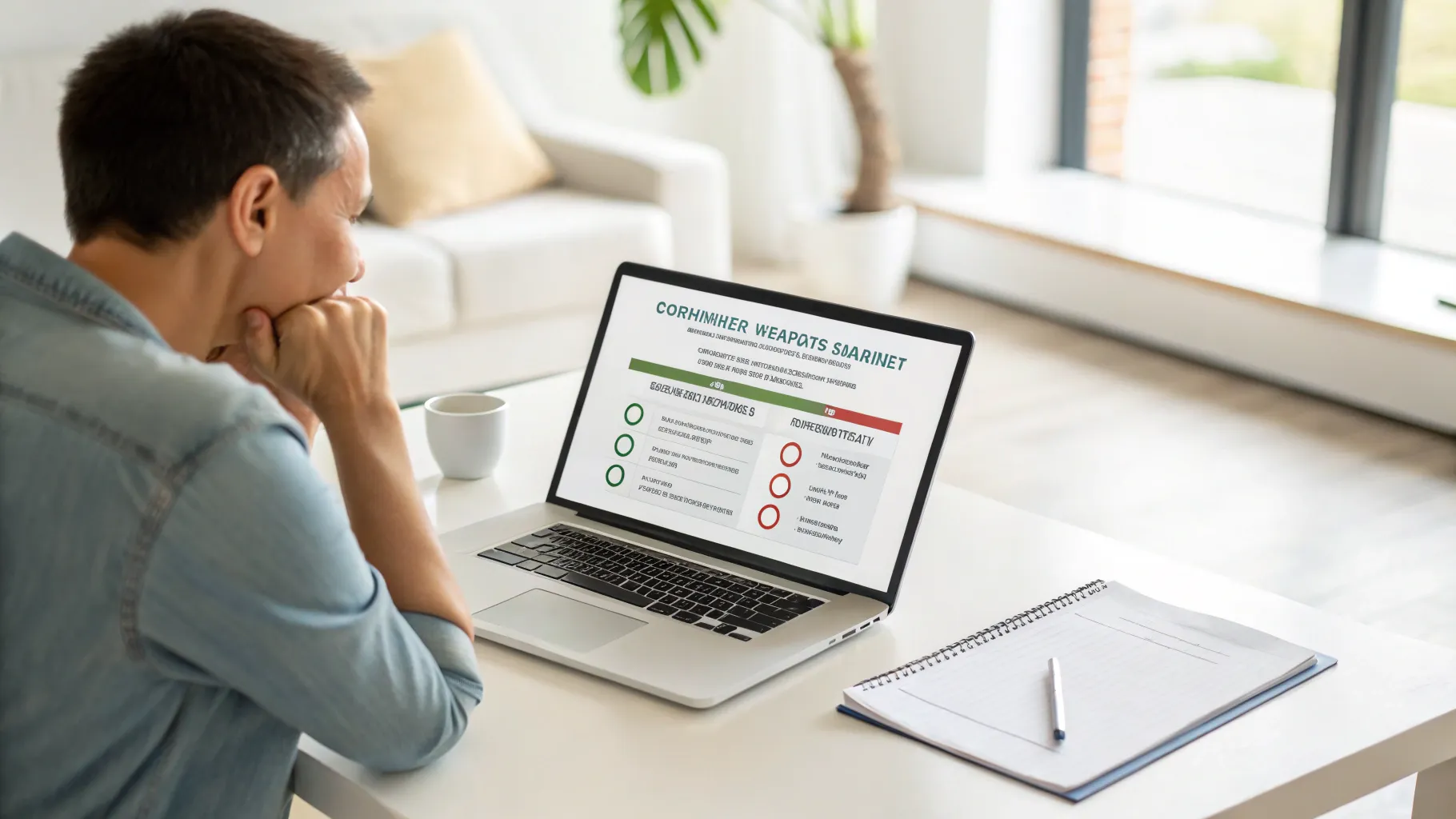
How Do These Digital Screenings Work?
Most online social anxiety tests are structured as self-report questionnaires. They often adapt clinically recognized scales, such as the Liebowitz Social Anxiety Scale (LSAS-SR), into a user-friendly digital format. You will typically be presented with a series of questions about how you feel and act in specific social situations, from making small talk to public speaking. You rate your level of fear or avoidance for each scenario. The test then calculates a score based on your responses, providing a general indication of whether your symptoms align with those of social anxiety.
Interpreting Your Results: Next Steps to Consider
Once you receive your score, it's important to view it as a guide, not a final verdict. The results can empower you to take proactive steps toward improving your mental health. Here's what to do with the information you've gathered:
- Remember It's a Screening, Not a Diagnosis: These tests provide a score, but only a qualified mental health professional can provide a formal diagnosis after a comprehensive evaluation.
- Consult a Professional: If your results indicate moderate to severe symptoms of social anxiety, consider discussing them with a therapist, counselor, or doctor. They can offer personalized guidance.
- Explore Evidence-Based Resources: Look into treatment options like cognitive-behavioral therapy (CBT), support groups, and mindfulness techniques, which are highly effective for managing social anxiety.
- Self-Education: Use your results as a springboard to learn more from reputable sources about social anxiety, its mechanisms, and effective coping strategies.
The Anonymity Advantage: Why People Choose Online Tests
One of the biggest barriers to seeking help for mental health is the fear of judgment. An online social anxiety test for adults removes this barrier by offering complete privacy and anonymity. You can answer questions honestly without pressure, from the comfort of your own home. This accessibility makes it an invaluable first step for individuals who may not be ready to speak to someone in person but are seeking to understand their experiences better.
Frequently Asked Questions
Are online social anxiety tests accurate?
While many online tests are based on clinically validated questionnaires, they are best used as screening tools. They indicate a potential issue but do not replace a comprehensive evaluation by a healthcare professional for an accurate diagnosis.
Is my privacy protected when I take an online test?
Reputable websites prioritize user privacy and anonymize data. Always check the site's privacy policy before taking a test. Avoid platforms that ask for excessive personal information beyond what is necessary for the questionnaire.
What score indicates social anxiety?
Scoring thresholds vary significantly by test. Generally, the results will provide a range (e.g., low, moderate, severe) to help you interpret your score. The key is not the exact number but what it suggests about your personal experience and level of distress.
References
- Anxiety & Depression Association of America (ADAA) - Social Anxiety Disorder Facts & Statistics
- National Institute of Mental Health (NIMH) - Social Anxiety Disorder: More Than Just Shyness
- Liebowitz, M. R. (1987). Social phobia. Modern Problems of Pharmacopsychiatry, 22, 141-173.