
Is Your Child Struggling Socially? A Guide to the Online Social Anxiety Test for Kids
Fast Facts:
- Quick Insight: Helps identify potential social anxiety triggers in children early on.
- Parental Trend: More parents are using digital tools for preliminary mental health screening for their children.
Understanding Your Child's Social World: How Digital Screening Helps
Navigating social situations can be challenging for children, but for some, it's a source of significant distress. Social anxiety can be difficult to spot, often mistaken for simple shyness. For parents seeking clarity, a modern solution has emerged: the online social anxiety test for kids. These digital tools offer a private, accessible way to gain preliminary insights into a child's struggles, helping you understand if their worries go beyond typical childhood shyness and warrant a conversation with a professional. They are designed to be a starting point, not a diagnosis, but can be an invaluable first step in getting your child the support they need.
What Do These Online Assessments Actually Measure?
These tests aren't just simple quizzes. A well-designed online social anxiety test for kids typically evaluates several key areas. It probes for persistent fear of social situations, worry about being judged by peers, avoidance of activities like school presentations or parties, and physical symptoms like blushing or trembling. The questions are usually framed in child-friendly language to get the most accurate responses, painting a picture of how your child experiences their social world. The goal is to differentiate between normal shyness and a more pervasive anxiety that impacts their daily life and happiness.
How to Approach the Test with Your Child for Best Results
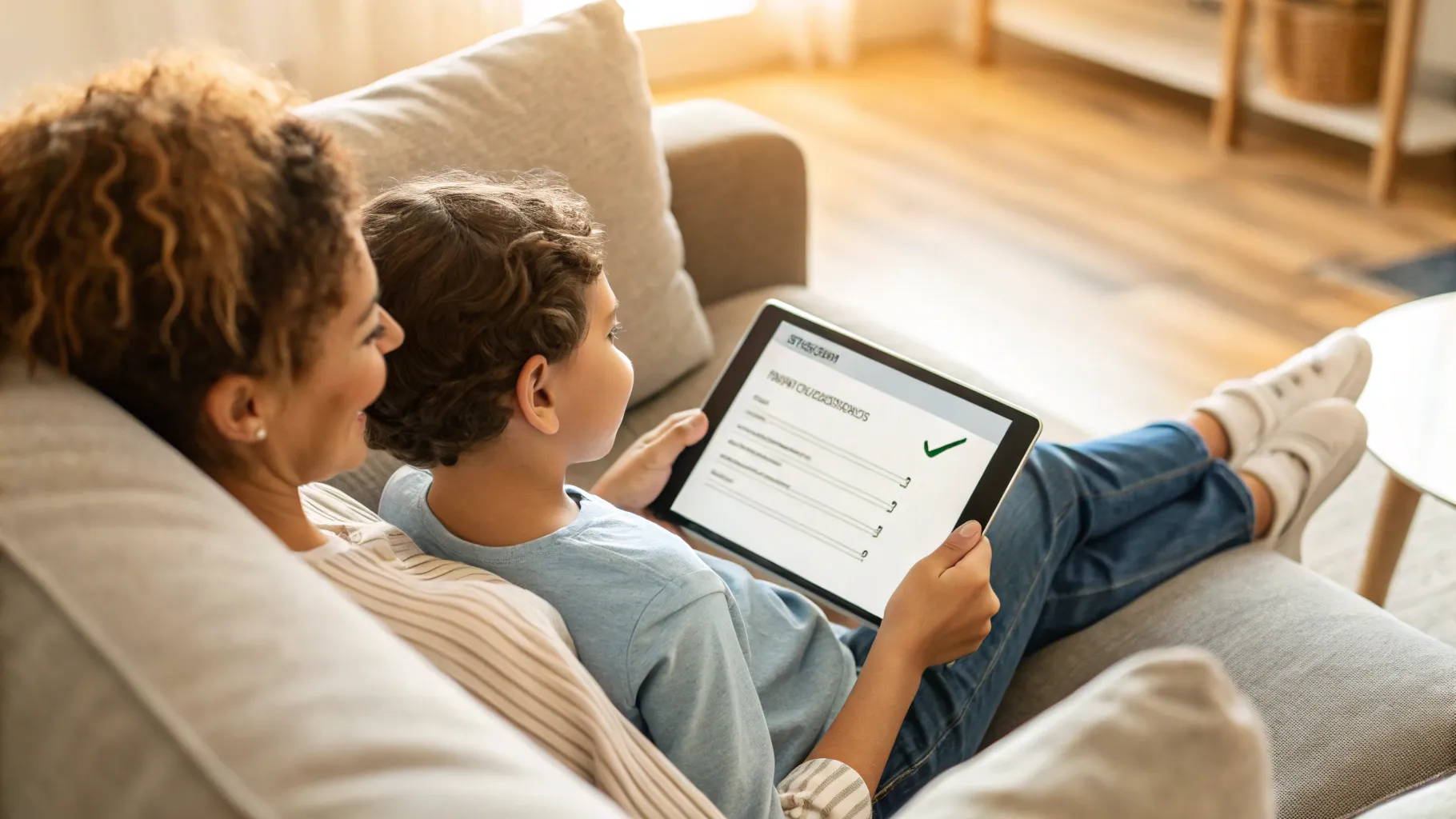
The way you introduce and conduct the test can significantly impact the experience and the honesty of the responses. Creating a supportive environment is key to making this a constructive, rather than stressful, activity.
- Choose the Right Time: Find a calm, quiet moment when your child is relaxed and receptive, not right after school or when they are tired or hungry.
- Frame it as a Helper: Explain that the 'quiz' is a tool to understand their feelings better, not a test they can pass or fail. Use language like, 'This can help us learn more about what makes you feel worried sometimes.'
- Stay Supportive, Not Suggestive: Sit with them but let them answer honestly. Avoid leading questions or showing disappointment in their answers. Your neutral, loving presence is the most important factor.
- Discuss the Results Together: Use the results as a conversation starter. Ask open-ended questions like, 'It says here you worry about talking in class. Can you tell me more about that?' Reassure them that you are on their team.
Frequently Asked Questions
Is an online social anxiety test a formal diagnosis?
No, it is not. These tests are screening tools designed to indicate potential signs of social anxiety. A formal diagnosis must be made by a qualified healthcare professional, such as a psychologist or psychiatrist, after a comprehensive evaluation.
At what age can a child take one of these tests?
Most online tests are designed for school-aged children, typically 7 years and older. It is crucial to choose a test that is appropriate for your child's age and reading level for accurate results. Tests for teens may have different, more nuanced questions.
What should I do after getting the results?
Regardless of the outcome, use it as an opportunity to talk with your child about their feelings. If the results suggest a high likelihood of social anxiety, the next step should be to schedule an appointment with a pediatrician or a child mental health specialist for a professional evaluation.
References
- Child Mind Institute - Social Anxiety in Children.
- American Academy of Child and Adolescent Psychiatry - Social Anxiety Disorder Resource Center.
- National Institute of Mental Health (NIMH) - Children and Mental Health.