
Find Your Calm: The Definitive Online Stress Level Test for Adults
Fast Facts:
- Quick Assessment: Get initial stress insights in under 5 minutes.
- A popular tool among professionals for managing work-life balance.
How to Accurately Gauge Your Mental Pressure Online
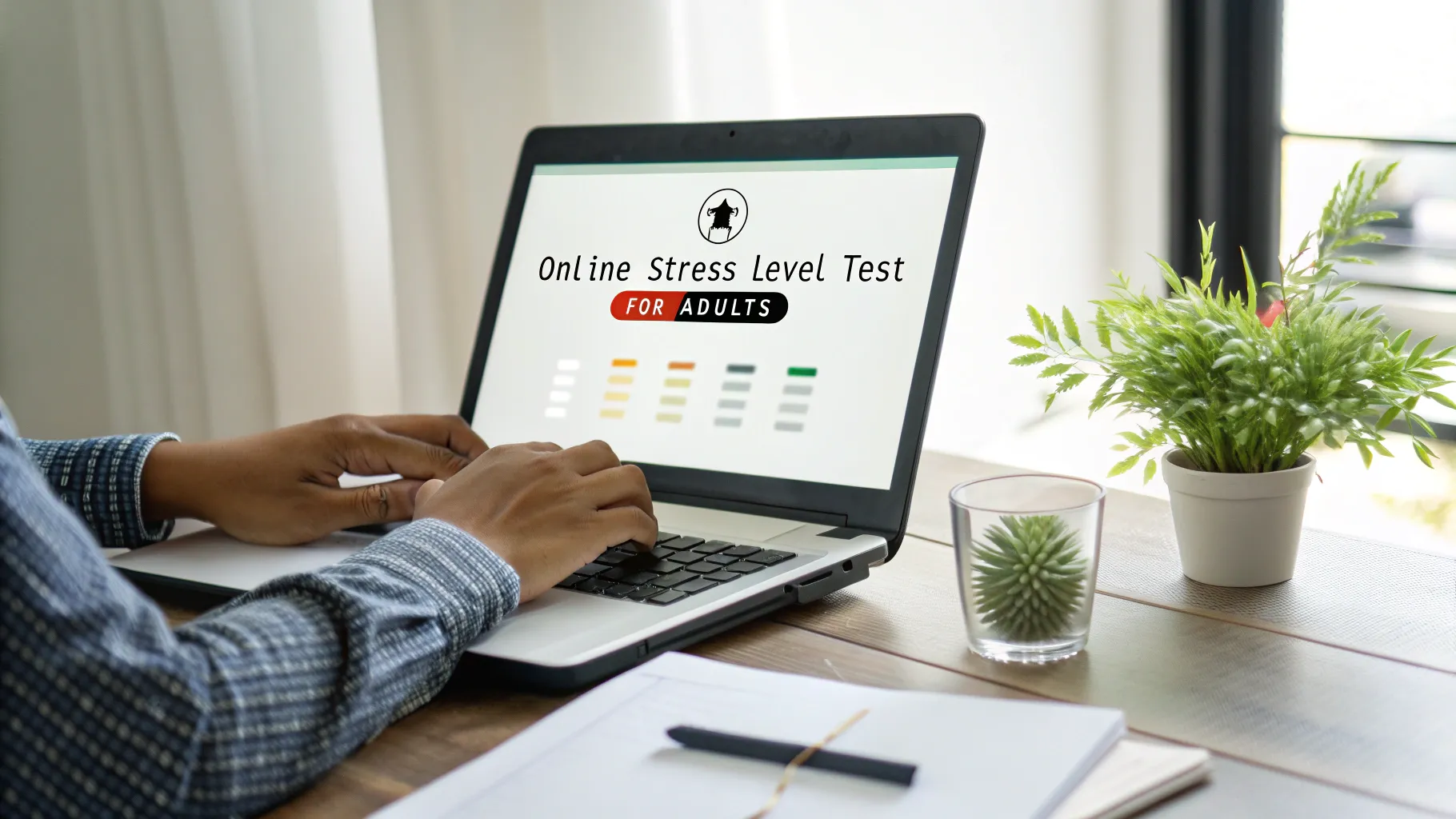
In today's fast-paced world, understanding and managing our mental well-being is more crucial than ever. The constant juggle of professional demands, personal responsibilities, and digital noise can lead to chronic stress, often without us realizing its full impact. An online stress level test for adults serves as a confidential and accessible first step to quantify your pressure points. These digital tools use validated psychological questionnaires to provide a snapshot of your current stress levels, helping you identify triggers and areas that require attention before they escalate into more serious health concerns.
Decoding Your Test Results: What Do the Numbers Mean?
Once you complete an online stress level test for adults, you'll typically receive a score or a classification, such as low, moderate, or high stress. A low score suggests you are managing your daily pressures effectively. A moderate score indicates that stress is present and could benefit from proactive management techniques. A high score is a strong signal that stress is significantly impacting your well-being, and it may be time to implement substantial lifestyle changes or seek professional support. Understanding your score is the first step toward taking control.
Choosing a Reliable Stress Assessment Tool
Not all online tests are created equal. To ensure you receive meaningful results, look for assessments based on established psychological scales, like the Perceived Stress Scale (PSS). A reliable test will guarantee anonymity and data privacy, clearly explain its methodology, and provide results that are easy to interpret. Avoid tests that ask for excessive personal information or make sensational claims. The goal is to gain insight, not to receive a formal diagnosis, which should always be done by a qualified healthcare professional.
Actionable Steps After Taking Your Test
- Identify Key Stressors: Review your answers to pinpoint the primary sources of your stress, whether they are work-related, financial, or personal.
- Practice Mindfulness: Incorporate short meditation or deep-breathing exercises into your daily routine to calm your nervous system.
- Seek Professional Guidance: If your results indicate high or chronic stress, consider consulting a therapist or counselor for personalized strategies.
- Set Healthy Boundaries: Learn to say 'no' to new commitments when you're feeling overwhelmed and protect your time for rest and recovery.
- Improve Sleep Hygiene: Aim for 7-9 hours of quality sleep per night by creating a relaxing bedtime routine free from screens.
Frequently Asked Questions
Are online stress tests accurate?
While not a substitute for a professional diagnosis, reputable online stress tests are based on clinically validated scales and can provide a highly accurate snapshot of your current stress levels and potential triggers.
How often should I take a stress level test?
It can be helpful to take a test every few months or during periods of significant life change. This allows you to track your stress levels over time and assess the effectiveness of your coping strategies.
Is my privacy protected with an online test?
Always choose tests from reputable sources that have a clear privacy policy. Most credible platforms offer anonymous testing to protect your personal information and ensure confidentiality.
References
- American Psychological Association. (2023). Stress in America™ report.
- Cohen, S., Kamarck, T., & Mermelstein, R. (1983). A global measure of perceived stress. Journal of Health and Social Behavior, 24(4), 385-396.