
Optimal Eyelid Health: Understanding and Treating Blepharitis Effectively
Facts:
- Blepharitis affects millions globally.
- Early diagnosis significantly improves treatment outcomes for ocular inflammation.
Unraveling the Complexities of Blepharitis and Eyelid Health
Blepharitis is a common, chronic inflammatory condition of the eyelids, often causing discomfort and affecting overall eyelid health. It manifests as irritation, itching, redness, and crusting of the eyelids, frequently leading to secondary complications like dry eyes. Understanding the multifaceted nature of this condition is paramount for effective management, as it often requires a persistent and personalized approach to treatment. This comprehensive guide delves into the causes, symptoms, and various therapeutic strategies available to restore comfort and maintain optimal eyelid function.
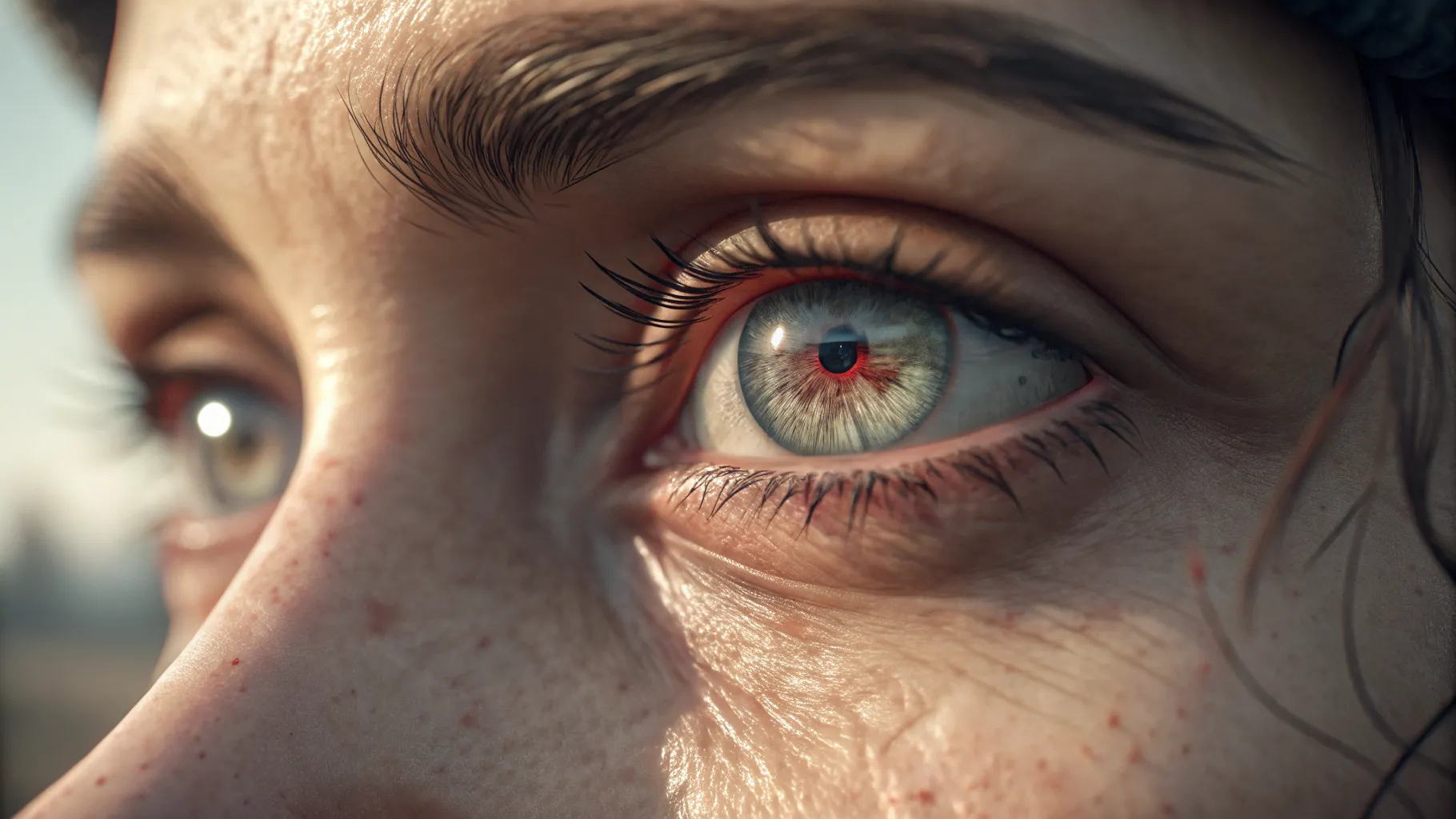
Etiology and Types of Blepharitis
The origins of blepharitis are diverse, making its diagnosis and treatment sometimes challenging. It typically falls into two main categories: anterior and posterior. Anterior blepharitis primarily affects the outside front of the eyelid, where the eyelashes attach. It is often caused by bacteria (staphylococcal blepharitis) or scalp dandruff (seborrheic blepharitis). Staphylococcal blepharitis results from an overgrowth of staphylococcus bacteria, leading to crusty eyelashes, redness, and sticky eyelids. Seborrheic blepharitis, on the other hand, is associated with oily glands in the skin, causing greasy flakes and scales on the eyelashes. Posterior blepharitis, or meibomian gland dysfunction (MGD), affects the inner margin of the eyelid, where the meibomian glands produce oils crucial for tear film stability. When these glands become clogged or dysfunctional, it leads to tear film instability, rapid tear evaporation, and significant symptoms of dry eyes. This type is frequently linked to conditions like rosacea. A less common but important cause involves Demodex mites, microscopic organisms that can infest the eyelash follicles and sebaceous glands, leading to chronic irritation and inflammation. Identifying the specific type and underlying cause is a critical first step in formulating an effective treatment plan to alleviate symptoms and improve long-term eyelid health.
Recognizing Symptoms and Securing a Diagnosis
Recognizing the symptoms of blepharitis is crucial for early intervention. Common indicators include itchy, red, swollen eyelids, a gritty or burning sensation in the eyes, excessive tearing or, conversely, persistent dry eyes, sensitivity to light, and crusting around the eyelashes, particularly noticeable upon waking. Some individuals may also experience blurred vision that improves with blinking, or loss of eyelashes. These symptoms can fluctuate in severity and may affect one or both eyes. Diagnosis typically involves a comprehensive eye examination by an optometrist or ophthalmologist. The specialist will carefully examine the eyelids, eyelashes, and the oil glands at the base of the lashes using a slit lamp microscope. They may also take a swab of the eyelid margin to test for bacterial overgrowth or the presence of Demodex mites, especially in cases of persistent or severe inflammation. Differentiating blepharitis from other eye conditions with similar symptoms, such as conjunctivitis or allergic reactions, is vital to ensure appropriate treatment and prevent unnecessary complications. A thorough diagnostic process helps pinpoint the exact nature of the ocular inflammation and guides the selection of the most effective therapeutic strategies.
Comprehensive Treatment Approaches for Eyelid Health
Managing blepharitis requires a multi-pronged approach, often combining daily hygiene with specific medical treatments. The cornerstone of therapy is diligent eyelid hygiene. This involves regularly cleaning the eyelids to remove crusts, debris, and excess oils that can exacerbate inflammation. Warm compresses are typically recommended to soften crusts and loosen oils in the meibomian glands, followed by gentle scrubbing of the eyelid margins with a diluted baby shampoo or a specialized eyelid cleanser. For bacterial blepharitis, topical antibiotic ointments or drops may be prescribed to reduce bacterial load. In cases of chronic or severe inflammation, oral antibiotics, such as doxycycline, might be used for their anti-inflammatory properties rather than their antimicrobial effects alone. When Demodex mites are identified as a contributing factor, specific treatments like tea tree oil preparations or prescription-strength topical medications are employed to eradicate the mites. Additionally, managing associated conditions like dry eyes is paramount; lubricating eye drops, artificial tears, or punctal plugs can help alleviate discomfort and stabilize the tear film. For meibomian gland dysfunction, treatments can include meibomian gland expression, thermal pulsation therapy, or intense pulsed light (IPL) therapy to unblock and restore gland function. Consistency in adhering to the prescribed regimen is key to controlling symptoms and maintaining optimal eyelid health.
Advanced Therapies for Persistent Blepharitis
When conventional treatments do not yield sufficient improvement, advanced therapies offer additional options for managing persistent or severe blepharitis, especially those cases characterized by chronic ocular inflammation or significant meibomian gland dysfunction. One such advanced approach involves the use of topical corticosteroids for short durations to quickly reduce severe inflammation, though long-term use is typically avoided due to potential side effects like increased intraocular pressure. Cyclosporine eye drops, an immunosuppressant, can be prescribed to reduce chronic inflammation and improve tear production, particularly beneficial for concurrent dry eyes. For individuals with refractory posterior blepharitis, newer technologies targeting meibomian gland function have emerged. These include in-office procedures such as LipiFlow, which applies heat and pressure to clear blocked meibomian glands, and TearCare, a similar system designed to melt and clear obstructive material. Intense Pulsed Light (IPL) therapy, originally used in dermatology, has shown promise in treating MGD by reducing inflammation, killing bacteria and mites, and improving gland function through targeted light pulses around the eyelids. Furthermore, advanced diagnostic techniques like meibography can provide detailed imaging of the meibomian glands, allowing for more precise assessment and tailored treatment plans. For cases linked to significant Demodex mites infestation, newer topical medications specifically designed to target these mites are also becoming available, offering more potent and direct treatment options. These advanced therapies, often used in combination with diligent eyelid hygiene, represent significant progress in achieving better control over challenging blepharitis cases.
Daily Eyelid Hygiene Practices for Prevention and Management
Consistent and proper eyelid hygiene is the cornerstone of both preventing and managing blepharitis. This daily routine is often the most critical factor in achieving long-term relief and maintaining healthy eyes. Implementing these practices can significantly reduce the bacterial load, remove debris, and improve meibomian gland function, thereby minimizing episodes of ocular inflammation and discomfort. By adhering to a simple yet effective regimen, individuals can proactively take control of their eyelid health and prevent the recurrence of debilitating symptoms.
- Warm Compresses: Apply a clean, warm compress (such as a washcloth soaked in warm water) to closed eyelids for 5-10 minutes. The warmth helps to soften crusts and loosen oily debris, making it easier to remove during cleaning. It also helps to melt hardened oil within the meibomian glands, aiding their natural function and preventing blockages that contribute to dry eyes. This step is crucial before any scrubbing.
- Gentle Eyelid Cleansing: After applying warm compresses, gently scrub the base of the eyelashes. Use a diluted tear-free baby shampoo (one part shampoo to ten parts water) or a specialized over-the-counter eyelid cleanser. Apply the solution to a clean cotton swab or pad and gently wipe along the base of the eyelashes and eyelid margins. This helps remove bacteria, dead skin cells, and excess oil. Be gentle to avoid irritating the delicate skin of the eyelids. Consistent cleaning helps prevent the accumulation of factors that lead to blepharitis flares.
- Avoid Eye Makeup During Flares: During active blepharitis flares, it's advisable to avoid using eye makeup, especially eyeliner and mascara, as these can irritate the eyelids further and clog meibomian glands. If makeup is used, ensure it is thoroughly removed daily with a gentle, non-irritating cleanser. Replacing old makeup regularly can also prevent bacterial contamination and re-infection, which is vital for preventing the re-establishment of contributing factors to ocular inflammation.
- Manage Underlying Conditions: Address any underlying systemic conditions that may exacerbate blepharitis, such as rosacea, seborrheic dermatitis, or allergies. Managing these conditions effectively through medication or lifestyle changes can significantly improve overall eyelid health and reduce the frequency and severity of blepharitis episodes. For example, controlling dandruff can reduce seborrheic blepharitis symptoms.
- Hydration and Nutrition: Maintain good overall hydration by drinking plenty of water. A diet rich in Omega-3 fatty acids, found in fish oil supplements or foods like salmon and flaxseed, can support healthy meibomian gland function and reduce general inflammation, benefiting those with dry eyes and chronic ocular inflammation. These dietary interventions contribute to the systemic health that supports local eye health.
Frequently Asked Questions
Can blepharitis be cured permanently?
While blepharitis cannot typically be cured permanently as it is often a chronic condition, it can be very effectively managed with consistent eyelid hygiene and appropriate medical treatments. The goal is to control symptoms, prevent flares, and maintain long-term eyelid health.
Is blepharitis contagious?
No, blepharitis itself is generally not contagious. It is an inflammatory condition of the eyelids, often caused by an overgrowth of normal bacteria on the skin, dysfunctional oil glands, or Demodex mites, none of which are typically spread from person to person.
How long does it take for blepharitis treatment to work?
Improvement from blepharitis treatment can vary. While some relief might be felt within a few days of starting treatment, it often takes several weeks of consistent daily care to see significant improvement. Long-term management is usually required to prevent recurrence of ocular inflammation.
Can blepharitis cause permanent vision damage?
Severe and untreated blepharitis can potentially lead to complications such as corneal damage, chronic dry eyes, or recurrent styes. While direct severe vision loss is rare, chronic irritation and inflammation can significantly impact vision quality and overall eye comfort if not properly managed, thus emphasizing the importance of good eyelid hygiene.
What is the role of Demodex mites in blepharitis?
Demodex mites are microscopic organisms that can live in eyelash follicles and oil glands. An overpopulation of these mites can cause or exacerbate blepharitis symptoms, leading to chronic irritation and inflammation. Specific treatments targeting Demodex are often necessary when they are identified as a contributing factor to the ocular inflammation.
References
- American Academy of Ophthalmology. (2023). Blepharitis.
- National Eye Institute. (2024). Blepharitis.
- Dry Eye Foundation. (2023). Understanding MGD and Blepharitis.
- Ophthalmology Journal. (Various). Studies on Eyelid Inflammation and Treatment.
- Review of Optometry. (2023). Advances in Blepharitis Management.