Osteoarthritis vs. Rheumatoid Arthritis: Understanding the Key Differences
Many people use the term 'arthritis' to describe any kind of joint pain, but it's important to know that there are over 100 different types. The two most common forms are osteoarthritis (OA) and rheumatoid arthritis (RA). Although they share some symptoms, their underlying causes and the ways they affect the body are fundamentally different.
The Core Cause: Mechanical Wear vs. Autoimmune Disease
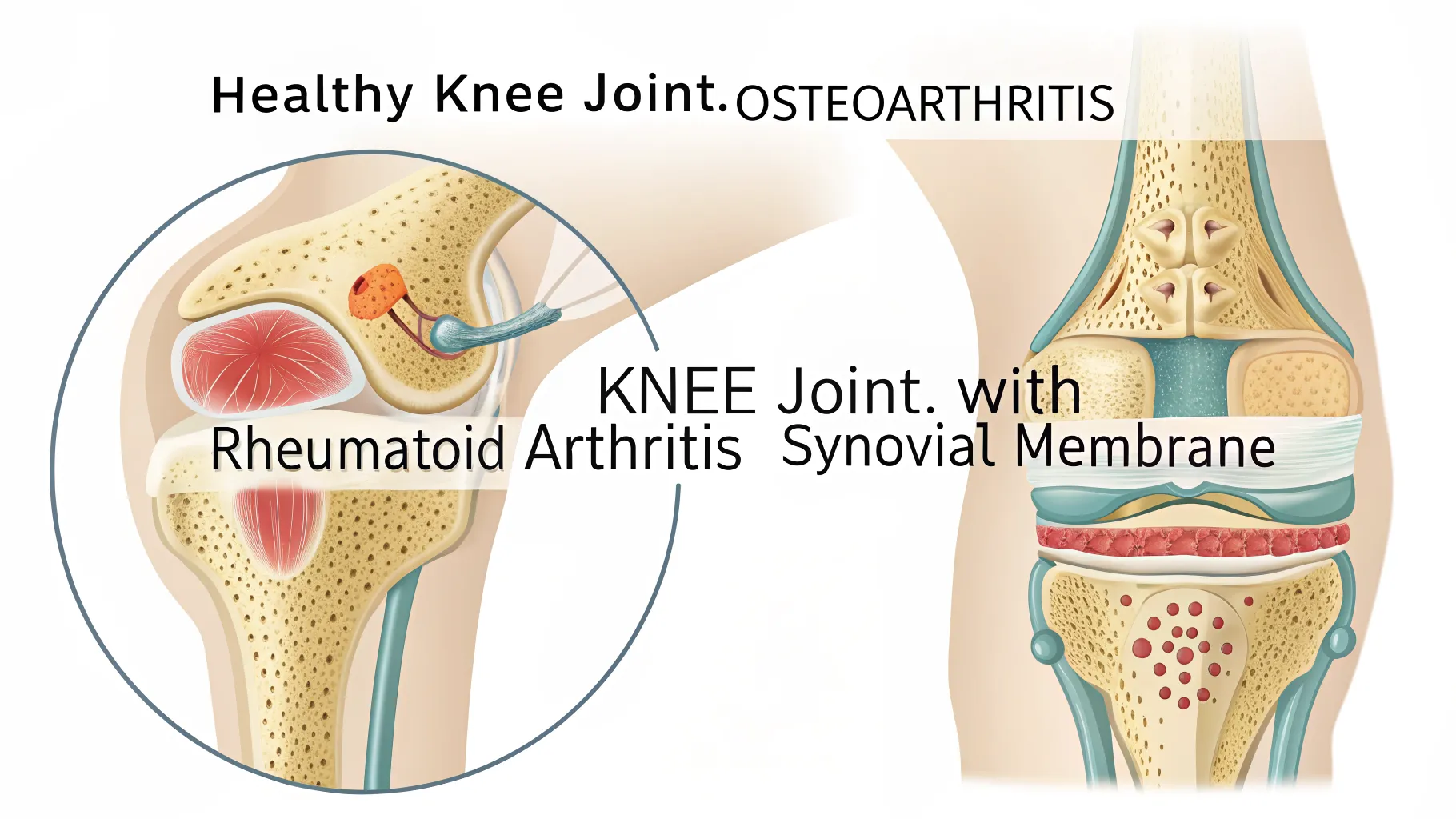
The primary distinction between osteoarthritis and rheumatoid arthritis lies in their origin. Osteoarthritis is considered a degenerative or 'wear-and-tear' condition. It occurs when the protective cartilage that cushions the ends of your bones wears down over time. This process is gradual and is often related to aging, previous joint injuries, or mechanical stress on the joints.
In contrast, rheumatoid arthritis is an autoimmune and inflammatory disease. This means your immune system, which normally protects your body from infection, mistakenly attacks healthy cells. In the case of RA, the immune system targets the synovium, which is the lining of your joints. This attack causes widespread inflammation that can eventually erode bone and deform the joints.
Symptom Patterns and Onset
The way symptoms present themselves also differs significantly. Osteoarthritis symptoms tend to develop slowly and worsen over many years. Pain is often localized to the affected joint and may feel worse after activity or at the end of the day. It's also common for OA to affect joints asymmetrically, meaning you might have it in your right knee but not your left.
Rheumatoid arthritis symptoms can appear more suddenly, sometimes over a period of weeks or months. It commonly affects smaller joints first, like those in the hands and feet, and typically occurs symmetrically, affecting the same joints on both sides of the body. Morning stiffness is a hallmark of RA, often lasting for more than 30 minutes, whereas OA morning stiffness usually resolves much more quickly.
Who Is Typically Affected?
While anyone can develop either type of arthritis, certain risk factors make them more likely. These risk profiles help medical professionals in the diagnostic process. Understanding them can also provide insight into potential preventative measures.
Risk factors for osteoarthritis include:
- Older Age: The risk increases significantly as you get older.
- Obesity: Extra weight puts more stress on weight-bearing joints like the hips and knees.
- Joint Injuries: Past injuries, even those that seemed to heal completely, can increase risk.
- Genetics: Some people inherit a tendency to develop OA.
- Gender: Women are more likely to develop osteoarthritis, though it's not clear why.
Risk factors for rheumatoid arthritis are different and are tied to its autoimmune nature:
- Genetics: Specific genes can make you more susceptible to the environmental factors that may trigger the disease.
- Smoking: Smoking significantly increases the risk of developing RA and can make the disease more severe.
- Age: RA most commonly begins in middle age.
- Gender: Like OA, RA is much more common in women than in men.
Effects Beyond the Joints
One of the most critical differences is that osteoarthritis is a disease confined to the joints. Its effects, such as pain, stiffness, and reduced mobility, are a direct result of cartilage breakdown within a specific joint. While this can be debilitating, it does not directly impact other organ systems.
Rheumatoid arthritis, however, is a systemic disease. Because it involves the entire immune system, the inflammation can affect many parts of the body outside of the joints. People with RA may experience issues with their skin, eyes, lungs, heart, and blood vessels. Fatigue, low-grade fevers, and a general feeling of being unwell are also common systemic symptoms of RA.
How Diagnosis is Approached
Diagnosing which type of arthritis a person has involves a combination of methods. For osteoarthritis, a doctor will typically rely on a physical exam, a discussion of your symptoms, and imaging tests like X-rays. X-rays can clearly show cartilage loss, bone spurs, and the narrowing of space within a joint.
Diagnosing rheumatoid arthritis is often more complex. In addition to a physical exam and imaging, blood tests are crucial. Doctors look for specific inflammatory markers and antibodies, such as rheumatoid factor (RF) and anti-cyclic citrullinated peptide (anti-CCP), which are often present in people with RA but not in those with OA.
Contrasting Treatment Goals
Since the causes are different, the treatment strategies for OA and RA vary as well. The goal of osteoarthritis treatment is to relieve pain, maintain or improve joint function, and slow the progression of joint damage. This is often achieved through a combination of physical therapy, weight management, low-impact exercise, and over-the-counter or prescription pain relievers.
For rheumatoid arthritis, the primary goal is to stop the underlying inflammation and prevent irreversible joint and organ damage. This requires medications that suppress the overactive immune system. These can include Disease-Modifying Antirheumatic Drugs (DMARDs) and a newer class of drugs called biologics, which target specific parts of the immune response. Lifestyle management is also important, but medication is the cornerstone of RA therapy.