
Osteoarthritis vs. Rheumatoid Arthritis: Understanding the Key Differences
Arthritis is a general term for conditions that cause joint inflammation and pain, affecting millions of people worldwide. Among the many types, osteoarthritis (OA) and rheumatoid arthritis (RA) are two of the most prevalent. Although they share some symptoms, their underlying causes, progression, and treatment methods are vastly different. Understanding these distinctions is crucial for proper management and care.
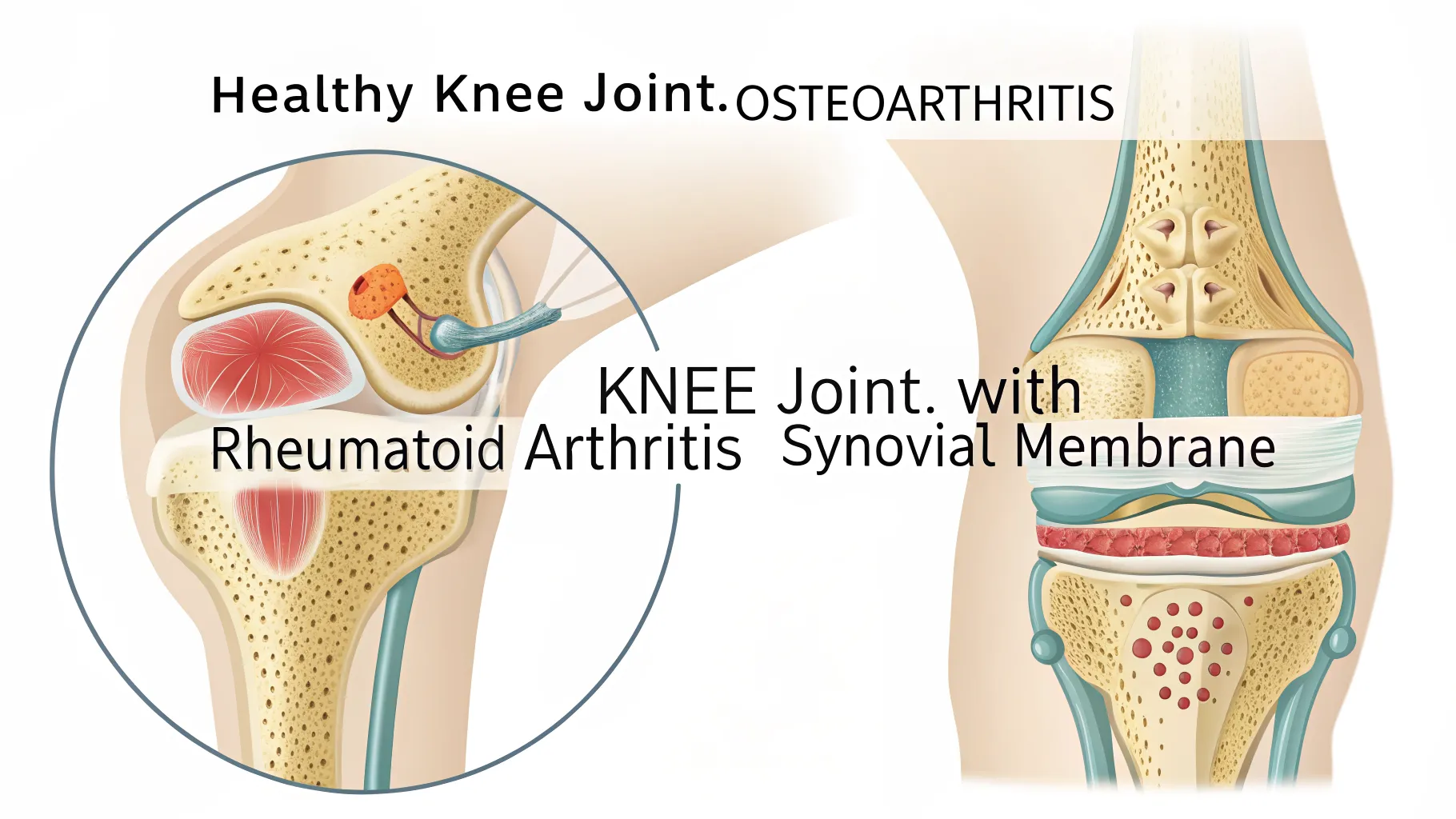
What is Osteoarthritis (OA)?
Osteoarthritis is the most common form of arthritis and is often referred to as a 'wear and tear' condition. It is a degenerative disease that occurs when the protective cartilage that cushions the ends of your bones wears down over time. Cartilage is a firm, slippery tissue that enables nearly frictionless joint motion, but when it deteriorates, bone can rub directly on bone.
This process happens gradually and tends to worsen over the years. The primary factors contributing to OA include aging, genetics, previous joint injuries, obesity, and repetitive stress on the joints from certain jobs or sports. OA typically affects large, weight-bearing joints like the hips and knees, as well as the hands, feet, and spine. Unlike rheumatoid arthritis, it is not an autoimmune disease.
What is Rheumatoid Arthritis (RA)?
Rheumatoid arthritis, in contrast, is an autoimmune and inflammatory disease. This means that your immune system, which normally attacks foreign invaders like bacteria and viruses, mistakenly attacks healthy cells in your body. In the case of RA, the immune system primarily targets the synovium, which is the lining of the membranes that surround your joints.
This attack causes inflammation that thickens the synovium, which can eventually destroy the cartilage and bone within the joint. RA is a systemic disease, meaning it can affect other parts of the body as well, including the skin, eyes, lungs, heart, and blood vessels. The exact cause of RA is not fully understood, but it is believed to involve a combination of genetic and environmental factors.
Symptom Differences: How They Feel
One of the clearest ways to distinguish between OA and RA is by their symptoms. While both cause joint pain and stiffness, the nature and pattern of these symptoms differ significantly.
For individuals with osteoarthritis, the pain is often described as a deep ache that worsens with activity and gets better with rest. Morning stiffness is common but usually lasts for less than 30 minutes. The condition is often asymmetrical, meaning it might affect the right knee but not the left. In contrast, rheumatoid arthritis is characterized by symmetrical joint involvement; if one wrist is affected, the other one likely is too. The joints may feel warm, swollen, and tender. Morning stiffness is a hallmark of RA and can last for an hour or longer. Additionally, people with RA often experience systemic symptoms like fatigue, low-grade fever, and a general feeling of being unwell.
Diagnostic Process and Tools
Diagnosing OA and RA involves different approaches. For osteoarthritis, a doctor will typically conduct a physical exam, discuss your symptoms, and order X-rays. An X-ray can reveal a narrowing of the space between the bones in a joint, which indicates cartilage loss. Bone spurs, another sign of OA, may also be visible. Blood tests are not used to diagnose OA but may be done to rule out other forms of arthritis.
Diagnosing rheumatoid arthritis is often more complex. It involves a physical exam and a review of symptoms, but blood tests are crucial. Doctors look for specific biomarkers, such as rheumatoid factor (RF) and anti-cyclic citrullinated peptide (anti-CCP) antibodies. Elevated levels of inflammatory markers like C-reactive protein (CRP) also support an RA diagnosis. Imaging tests like X-rays, MRI, or ultrasound can help track the progression of joint damage over time.
Comparing Treatment Philosophies
Because the underlying causes are different, the treatment goals for OA and RA also diverge. The primary aim of osteoarthritis treatment is to relieve symptoms and improve joint function. This often involves a combination of strategies. These can include:
- Lifestyle modifications such as weight management and low-impact exercise like swimming or cycling.
- Physical therapy to strengthen the muscles around the affected joint.
- Over-the-counter or prescription pain relievers to manage discomfort.
- In advanced cases, procedures like cortisone injections or joint replacement surgery may be recommended.
Treatment for rheumatoid arthritis focuses on controlling the underlying autoimmune response to slow or stop the disease progression and prevent permanent joint damage. This requires a more aggressive approach, typically involving medications that modulate the immune system. Common treatments include Disease-Modifying Antirheumatic Drugs (DMARDs) and a newer class of drugs known as biologics. These medications work to reduce inflammation and protect the joints from further harm.
Risk Factors and Typical Onset
The populations affected by OA and RA are also quite different. Osteoarthritis is strongly linked to age, with the risk increasing significantly after the age of 50. It is more common in women than men, especially after menopause. Other key risk factors include having a family history of the condition, being overweight, or having sustained a significant joint injury in the past.
Rheumatoid arthritis, on the other hand, can develop at any age, though it most commonly begins between the ages of 30 and 60. Like OA, it is more prevalent in women. A family history of RA can increase your risk, and certain environmental factors, such as smoking, are also known to be triggers for the disease in genetically susceptible individuals.