
A Senior's Guide to Osteoporosis and Bone Health: Prevention & Treatment
Facts:
- Osteoporosis causes bones to become weak and brittle.
- One in three women over 50 will experience osteoporotic fractures, a key concern for Osteoporosis and Bone Health in Seniors.
Understanding the Silent Threat to Senior Mobility
As we age, maintaining physical independence and quality of life becomes paramount. A significant, yet often overlooked, challenge in this journey is the management of Osteoporosis and Bone Health in Seniors. Osteoporosis is a medical condition where bones become porous and fragile, drastically increasing the risk of fractures from minor falls or even simple actions like sneezing. This 'silent disease' often progresses without any symptoms until a fracture occurs, which is why proactive awareness and management are crucial. Focusing on Osteoporosis and Bone Health in Seniors is not just about preventing broken bones; it's about preserving mobility, confidence, and overall well-being during the golden years.
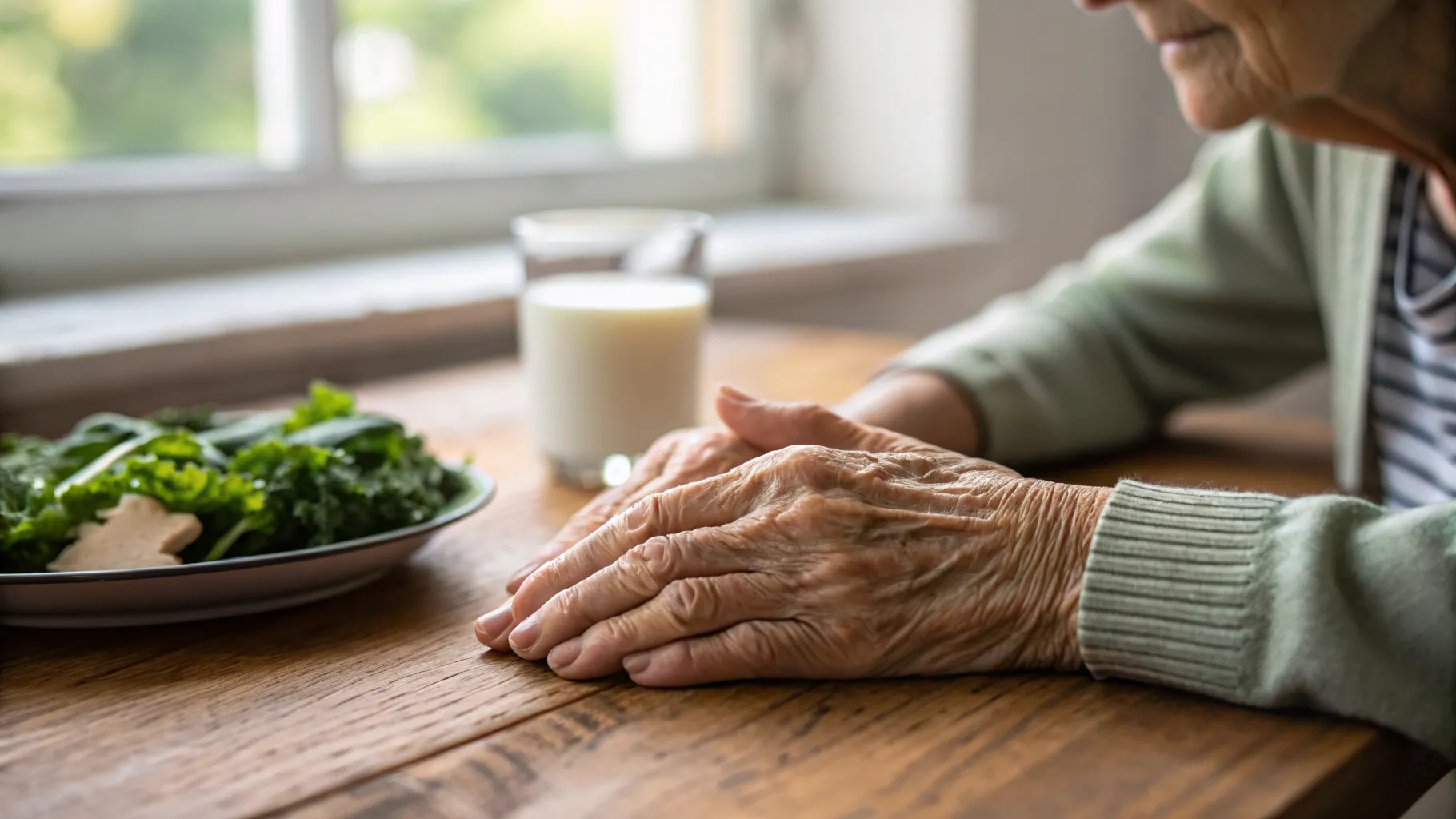
Key Risk Factors for Poor Bone Health in Seniors
Several factors contribute to the decline of bone density with age. Understanding these risks is the first step toward effective prevention and management of Osteoporosis. Non-modifiable risk factors include age, female gender (especially post-menopause due to estrogen decline), a family history of the condition, and having a small body frame. However, there are many modifiable risk factors that individuals can control. These include a diet low in calcium and vitamin D, a sedentary lifestyle, excessive alcohol consumption, and tobacco use. Certain medications, like long-term corticosteroids, and medical conditions such as rheumatoid arthritis or thyroid problems can also accelerate bone loss, making diligent conversations with healthcare providers essential for proper Osteoporosis and Bone Health in Seniors.
The Critical Role of Nutrition in Managing Osteoporosis
Nutrition is a cornerstone of maintaining strong bones throughout life, and its importance is amplified for older adults. A diet rich in specific nutrients can help slow bone loss and support the existing bone structure. Calcium is the primary building block of bone, and seniors often require higher intake to compensate for decreased absorption. Excellent sources include dairy products, fortified plant-based milks, leafy greens like kale, and sardines. Vitamin D is equally vital as it helps the body absorb calcium effectively. While sunlight exposure is a natural source, many seniors benefit from fortified foods and supplements. Beyond these two powerhouses, other nutrients like magnesium, vitamin K, and protein play supportive roles in the complex matrix of bone health, making a balanced diet a key strategy for improving Osteoporosis and Bone Health in Seniors.
Practical Strategies to Improve Bone Density and Prevent Fractures
Beyond nutrition, a proactive lifestyle is fundamental to protecting against fractures. A multi-faceted approach combining exercise and home safety can significantly reduce risks associated with Osteoporosis. Here are some actionable steps:
- Engage in Weight-Bearing Exercises: Activities that make you move against gravity, such as walking, jogging, dancing, and climbing stairs, stimulate bone-building cells. Aim for at least 30 minutes on most days of the week to support Osteoporosis and Bone Health in Seniors.
- Incorporate Strength Training: Using weights, resistance bands, or your own body weight helps strengthen muscles and bones in the arms and upper spine. Strong muscles also improve balance and coordination, reducing the risk of falls.
- Focus on Balance and Posture: Exercises like Tai Chi or gentle yoga can enhance stability and body awareness, which are crucial for fall prevention. Maintaining good posture also helps reduce stress on the spine.
- Create a Safe Home Environment: Preventing falls is as important as building bone. Remove tripping hazards like loose rugs, ensure adequate lighting throughout the home, install grab bars in bathrooms, and use non-slip mats to create a safer living space.
Diagnosis and Modern Treatment Options for Osteoporosis
If you have risk factors, early diagnosis is key to effective management. The gold standard for measuring bone density is a Dual-Energy X-ray Absorptiometry (DEXA) scan. This quick and painless procedure can diagnose Osteoporosis before a fracture occurs and help predict your future fracture risk. Based on the results, a healthcare provider can recommend a course of action. Treatment for established Osteoporosis often involves a combination of lifestyle modifications and medication. Bisphosphonates are the most common class of drugs prescribed to slow bone loss. Other options may include hormone-related therapies or newer biologic agents that help rebuild bone. The right treatment plan is highly individualized and is a critical discussion to have with a doctor to properly manage Osteoporosis and Bone Health in Seniors.
Frequently Asked Questions
What are the early signs of poor Bone Health in Seniors?
Unfortunately, there are often no early symptoms of bone loss, which is why it's called a 'silent disease'. The first sign is typically a fracture. However, some later indicators can include a loss of height over time, a stooped posture (kyphosis), or sudden back pain without a clear cause. Regular check-ups are essential for monitoring Osteoporosis and Bone Health in Seniors.
Can Osteoporosis be reversed?
While you cannot completely reverse Osteoporosis to the point of having the bone density of a young adult, you can significantly slow its progression and, in some cases, improve bone density with medication and intensive lifestyle changes. The primary goal of treatment is to stabilize bone mass and prevent future fractures.
How often should seniors be screened for Osteoporosis?
Screening recommendations can vary, but generally, women should be screened starting at age 65, and men at age 70. However, individuals with significant risk factors may need to be screened earlier. If you are on treatment for Osteoporosis, your doctor will likely recommend a follow-up DEXA scan every one to two years to monitor its effectiveness.
References
- National Institute on Aging - Osteoporosis
- Bone Health and Osteoporosis Foundation - Learn About Osteoporosis
- International Osteoporosis Foundation - Facts and Statistics
- Mayo Clinic - Osteoporosis Diagnosis & Treatment