
A Parent's Guide to Online Anxiety Tests for Kids: What to Know
Fast Facts:
- Early Insight: Provides initial data on a child's emotional state.
- For parents seeking preliminary information on child anxiety trends.
Understanding Digital Tools for Your Child's Mental Wellness
Navigating a child's emotional health can be challenging for any parent. In an increasingly digital world, new resources are emerging to help provide initial insights. An online anxiety test for kids is one such tool, designed as a preliminary screening to help parents identify potential signs of anxiety in their children. These tests typically consist of age-appropriate questionnaires that a child can complete, often with parental guidance. It's crucial to remember that these are not diagnostic tools but rather a starting point to help you understand if a professional consultation might be beneficial for your family's well-being.
How Do These Online Assessments Function?
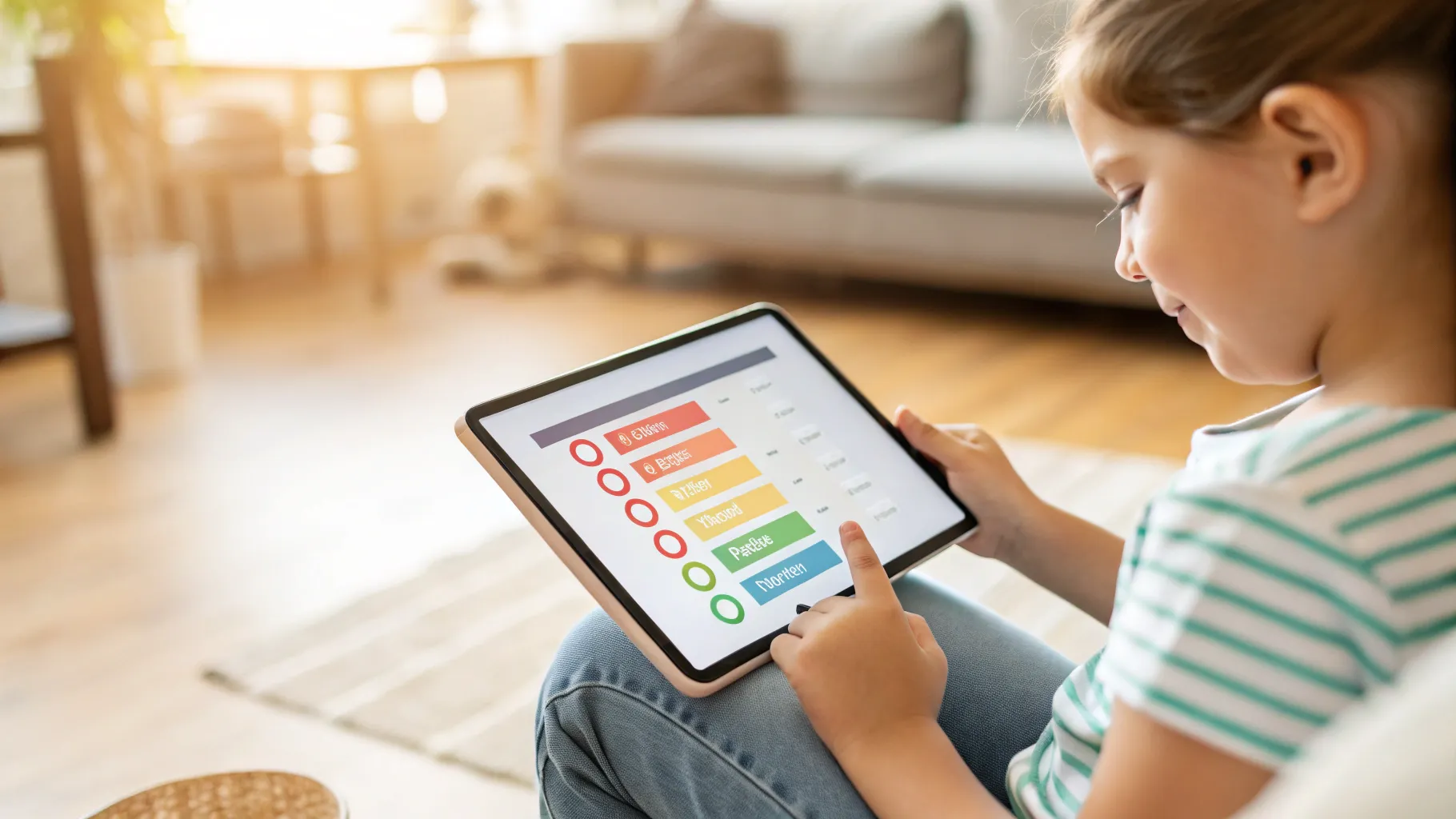
Most online anxiety assessments for children use a series of questions tailored to their cognitive level. They inquire about feelings, behaviors, and physical symptoms associated with anxiety. For instance, questions might touch on excessive worrying, difficulty sleeping, avoiding social situations, or frequent stomachaches. To keep children engaged, many platforms incorporate interactive elements, simple language, and relatable scenarios. The goal is to gather information in a non-intimidating way, providing a snapshot of the child's emotional state that can guide a parent's next steps.
Key Considerations Before Using an Online Test
While an online anxiety test for kids can be a helpful resource, it's vital to approach it with the right perspective. These tools provide valuable information but should not replace the nuanced assessment of a qualified mental health professional. When interpreting the results, view them as indicators rather than a definitive diagnosis. The primary value of these tests lies in their ability to highlight areas of concern and empower parents to open a supportive dialogue with their child and seek professional guidance when necessary.
Actionable Steps After an Assessment
- Discuss Gently: Talk to your child about their feelings in a calm, open, and non-judgmental way. Use the test as a conversation starter, not an interrogation tool.
- Observe Behavior: Pay attention to your child's behavior in different settings, such as at school, with friends, and at home. Note any patterns that align with the test results.
- Consult a Professional: If the test results or your observations raise concerns, schedule an appointment with your child's pediatrician or a child psychologist for a comprehensive evaluation.
- Focus on Support: Regardless of the outcome, reinforce to your child that they are loved and supported, and that it's okay to talk about big feelings.
Frequently Asked Questions
Are online anxiety tests for kids accurate?
They should be considered screening tools, not diagnostic instruments. Their accuracy varies, but they can be useful for identifying potential concerns that warrant a professional evaluation. They provide a preliminary insight, not a clinical diagnosis.
At what age can a child take an online anxiety test?
Many tests are designed for children aged 7 and older, but this can vary. Always choose a test that is specifically designed for your child's developmental stage and reading level to ensure the questions are understood correctly.
What should I do after my child takes the test?
Use the results as a starting point for a conversation. Discuss their feelings without judgment. If the results indicate a high level of anxiety, the most important next step is to consult with a healthcare professional, such as a pediatrician or child therapist.
References
- Child Mind Institute - Anxiety in Children.
- American Academy of Child & Adolescent Psychiatry - Anxiety Disorders Resource Center.
- Centers for Disease Control and Prevention (CDC) - Data and Statistics on Children's Mental Health.