
Pneumonia Early Symptoms: How to Recognize the First Warning Signs
Facts:
- Pneumonia is a leading cause of hospitalization for adults in the United States.
- Public health campaigns are increasing awareness to help people recognize early symptoms of pneumonia.
Decoding the Initial Signs: What Your Body is Telling You
When an infection like pneumonia begins to take hold in your lungs, your body sends out warning signals. Ignoring these can lead to serious complications, which is why it is so vitally important to pay close attention to the pneumonia early symptoms. Unlike a common cold that might resolve on its own, pneumonia requires medical attention. The ability to recognize early symptoms of pneumonia can make a significant difference in the speed and success of your recovery. These initial signs are your body's way of alerting you that the air sacs in your lungs are becoming inflamed and may be filling with fluid or pus, interfering with your ability to breathe effectively.
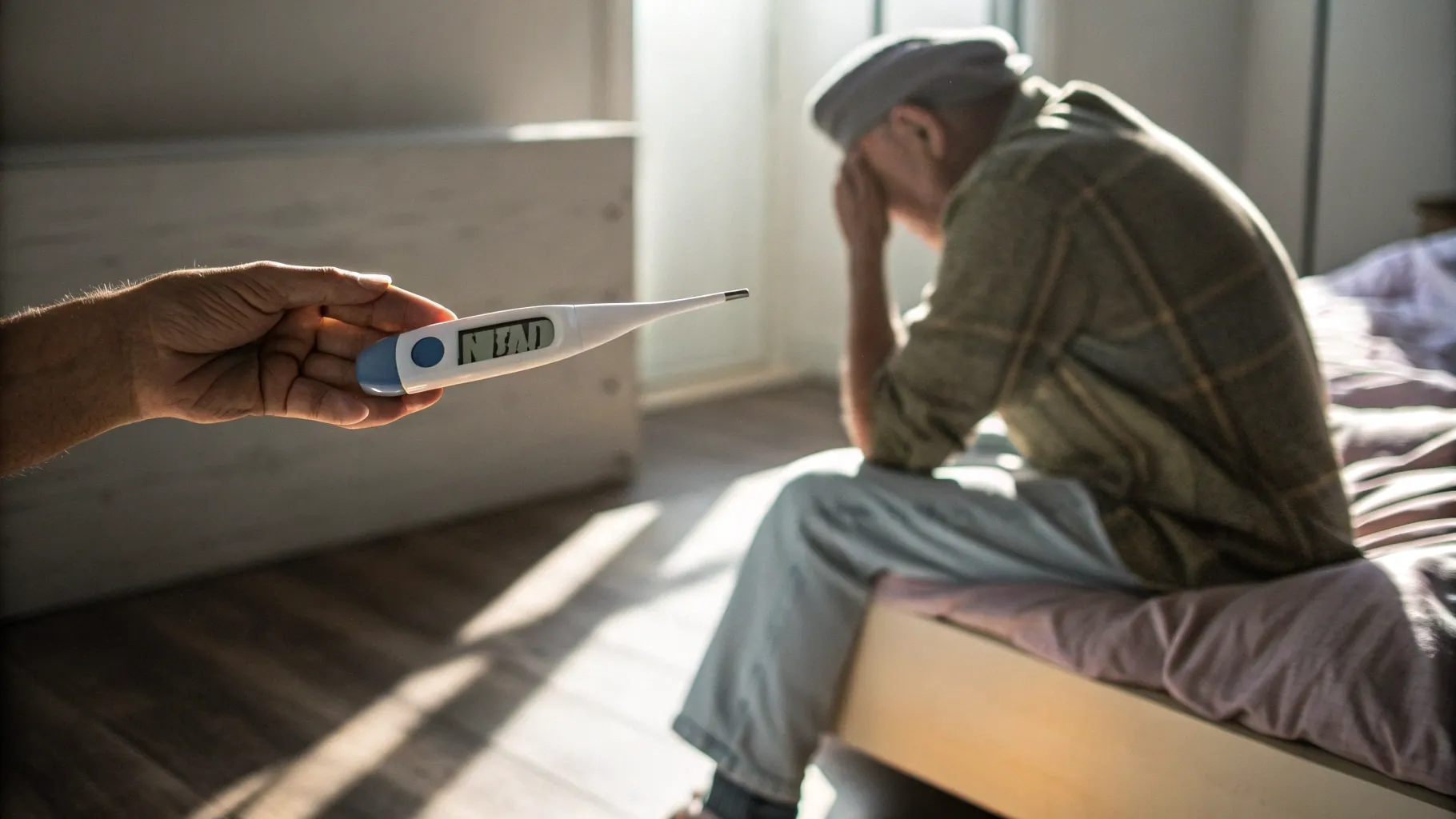
The Most Common Pneumonia Early Symptoms You Shouldn't Ignore
Learning to recognize early symptoms of pneumonia involves knowing what to look for. These signs can sometimes be subtle or mistaken for less severe illnesses like the flu or bronchitis. However, their persistence and combination are key indicators that something more serious is developing. Being vigilant about these specific signs is the first step toward seeking appropriate medical help.
A Persistent or Worsening Cough
While many illnesses cause a cough, a pneumonia-related cough has distinct characteristics. It is often persistent and may produce greenish, yellow, or even bloody mucus. This is a classic example of pneumonia early symptoms and indicates an infection deep within the lung tissue. Do not dismiss a productive cough that lingers for more than a few days.
Fever, Sweating, and Shaking Chills
A high fever is your body's natural response to fighting off a significant infection. With pneumonia, this is often accompanied by profuse sweating and shaking chills that can feel quite severe. If you experience these systemic symptoms along with respiratory issues, it is a strong signal that you need to recognize early symptoms of pneumonia and consult a doctor.
Shortness of Breath
Feeling winded after minimal physical exertion, or even while at rest, is a very concerning symptom. This shortness of breath, medically known as dyspnea, occurs because the inflammation and fluid in your lungs make it difficult for oxygen to transfer into your bloodstream. This is one of the more urgent pneumonia early symptoms to watch for.
Sharp or Stabbing Chest Pain
Experiencing sharp chest pain that worsens when you breathe deeply or cough is known as pleuritic chest pain. This happens when the lining between your lungs and chest wall becomes inflamed. This specific type of pain is a hallmark sign that helps many people recognize early symptoms of pneumonia and differentiate it from other conditions.
Distinguishing Pneumonia from the Common Cold or Flu
It can be challenging to tell the difference between pneumonia, the flu, and a severe cold, as they share overlapping symptoms. However, the key distinctions often lie in the severity and onset. Colds typically develop slowly with milder symptoms like a runny nose and sore throat. The flu often hits suddenly with high fever, body aches, and fatigue. Pneumonia, which can be a complication of the flu, is characterized by the severe chest symptoms mentioned above—a productive cough, sharp chest pain, and significant shortness of breath. The ability to recognize early symptoms of pneumonia involves looking beyond the initial flu-like feelings and noting the worsening respiratory distress, which is a critical step for seeking proper diagnosis and treatment.
What to Do if You Suspect Pneumonia
If you or a loved one is exhibiting signs that align with pneumonia early symptoms, it is crucial to act swiftly and responsibly. Do not attempt to self-diagnose or wait for the symptoms to become unbearable. Early medical intervention is key to preventing severe complications, such as respiratory failure or the infection spreading to the bloodstream. Here are the essential steps to take.
- Consult a Healthcare Professional: This is the most important step. A doctor can perform a physical exam, listen to your lungs, and may order a chest X-ray or other tests to confirm a diagnosis. Prompt treatment, often with antibiotics, is essential.
- Monitor Your Symptoms Closely: Keep track of your temperature, breathing difficulty, and pain levels. If your symptoms worsen suddenly, especially your ability to breathe, seek emergency medical care immediately.
- Rest and Hydrate: Your body needs energy and fluids to fight the infection. Get plenty of rest and drink clear fluids like water, broth, or tea to help loosen mucus in your lungs and prevent dehydration from fever.
- Avoid Spreading the Infection: Pneumonia can be contagious. Practice good hygiene by washing your hands frequently, covering your mouth and nose when you cough or sneeze, and limiting close contact with others until your doctor says you are no longer infectious.
Frequently Asked Questions
How can you reliably recognize early symptoms of pneumonia at home?
At home, the most reliable way is to look for a combination of symptoms. A persistent, mucus-producing cough combined with a high fever, chills, and shortness of breath or sharp chest pain is a strong indicator. While you can't diagnose it yourself, this cluster of pneumonia early symptoms should prompt an immediate call to your doctor.
Are the early symptoms of pneumonia different in children and older adults?
Yes, they can be. In older adults, the classic symptoms like fever and cough may be less pronounced or absent. Instead, they might show signs of confusion, a lower-than-normal body temperature, or general weakness. In infants and young children, symptoms might include rapid breathing, grunting sounds with breaths, vomiting, or a lack of energy. It is crucial to recognize early symptoms of pneumonia as they present in different age groups.
How quickly do pneumonia early symptoms develop?
The onset can vary. Bacterial pneumonia often develops quickly, sometimes over 24 to 48 hours, with a sudden high fever and cough. Viral pneumonia, however, may develop more slowly over several days, often starting with flu-like symptoms that gradually worsen. In either case, paying attention to the developing respiratory distress is key.
References
- World Health Organization (WHO) Guidelines on Pneumonia
- Centers for Disease Control and Prevention (CDC) - Pneumococcal Disease
- American Lung Association - Understanding Pneumonia
- National Heart, Lung, and Blood Institute (NHLBI) - Pneumonia Overview