
Prostate Enlargement Symptoms Men Should Not Ignore: A Complete Guide
Facts:
- Benign Prostatic Hyperplasia (BPH) affects about 50% of men by age 60.
- Awareness of symptoms is a growing trend for men over 40.
Understanding the Telltale Signs of an Enlarged Prostate
As men age, the prostate gland naturally increases in size. This condition, known as benign prostatic hyperplasia (BPH), is not cancerous but can lead to a variety of uncomfortable and disruptive urinary issues. Recognizing the early signs is crucial for managing the condition and maintaining a high quality of life. Ignoring them can lead to more severe complications down the line. It's essential to be aware of the key Prostate Enlargement Symptoms Men Should Not Ignore to seek timely medical advice. Understanding these changes in your body is the first step toward effective management and peace of mind.
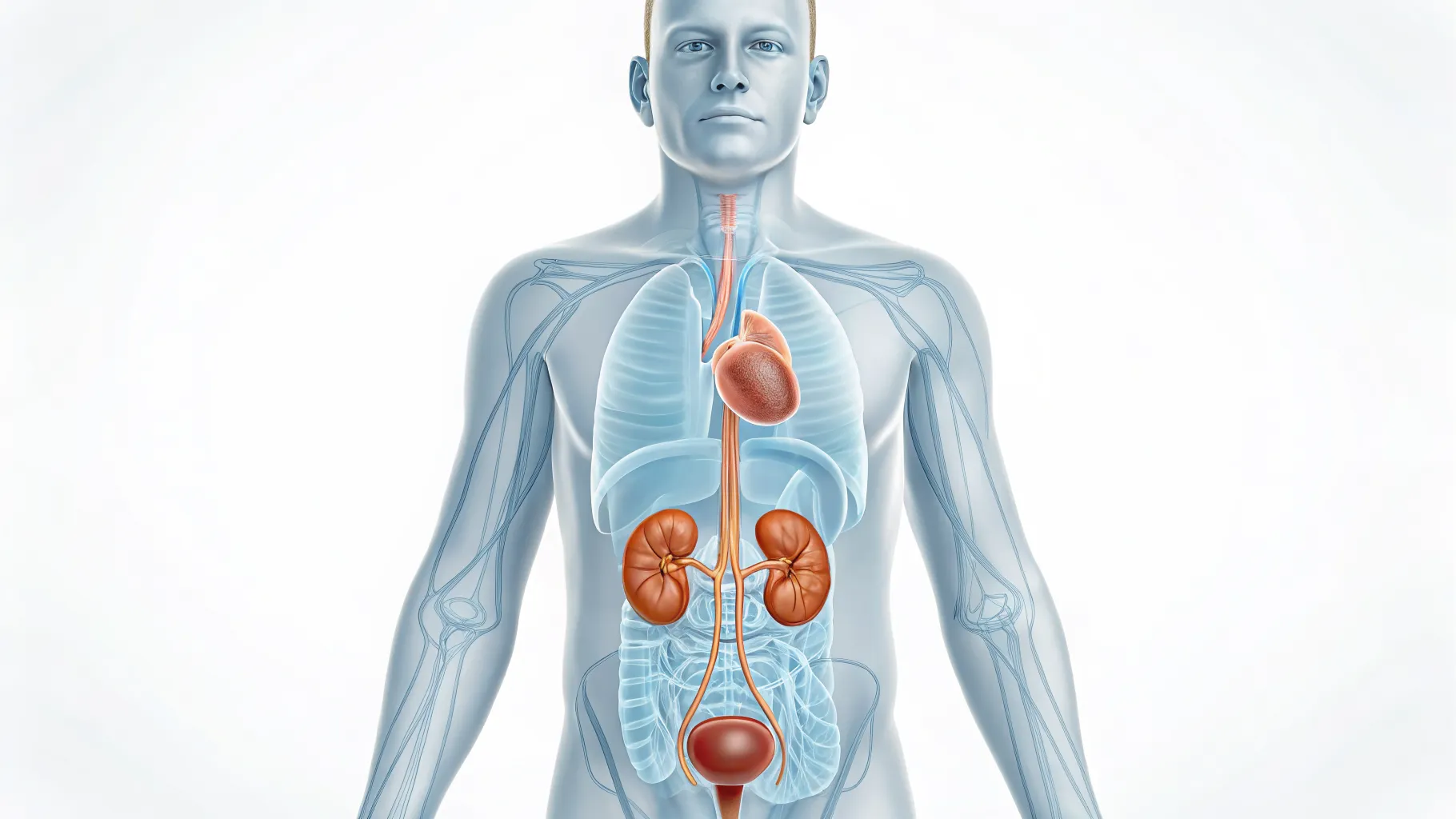
The Most Common Urinary Symptoms You May Experience
The most direct impact of an enlarged prostate is on the urinary system, as the gland surrounds the urethra. When the prostate enlarges, it squeezes this tube, causing a range of problems. One of the most frequently reported issues is a weak or slow urinary stream. You might find that it takes longer to empty your bladder, or the stream stops and starts. Another classic sign is difficulty starting urination, a condition known as hesitancy. Many men also experience a feeling that their bladder is not completely empty even after they've finished. These are hallmark Prostate Enlargement Symptoms Men Should Not Ignore and should prompt a discussion with your healthcare provider.
Nocturia and Increased Urgency: When Night-time Interruptions Become a Problem
Frequent urination, particularly at night (nocturia), is another significant symptom. Waking up two, three, or even more times per night to use the bathroom can severely disrupt sleep, leading to daytime fatigue and irritability. This occurs because the bladder has to work harder to push urine through the narrowed urethra, causing it to become more sensitive and signal the need to urinate even when it's not full. Alongside this, you may feel a sudden, compelling urge to urinate that is difficult to postpone. This urgency can be disruptive to daily activities, causing anxiety about being far from a restroom. These persistent interruptions are critical Prostate Enlargement Symptoms Men Should Not Ignore.
Less Obvious Signs That Can Signal a Prostate Issue
While urinary flow issues are the most common indicators, other, more subtle symptoms can also point to BPH. Some men may experience urinary tract infections (UTIs) more frequently. This happens because the inability to fully empty the bladder allows bacteria to grow. Another concerning, though less common, symptom is hematuria, or blood in the urine. While this can be caused by other conditions, it should always be evaluated by a doctor. Dribbling at the end of urination is another sign that the bladder isn't emptying efficiently. It's vital to view these as part of the spectrum of Prostate Enlargement Symptoms Men Should Not Ignore and not dismiss them as minor inconveniences.
When to Seek Medical Attention for Prostate Symptoms
While BPH is typically not a life-threatening condition, its symptoms can significantly degrade your quality of life and, in some cases, lead to serious complications. If you are completely unable to urinate, it is a medical emergency known as acute urinary retention and requires immediate attention. Other serious complications include bladder stones, bladder damage, or kidney damage from prolonged back-pressure. If your symptoms are bothersome, progressively worsening, or causing you distress, it is time to consult a urologist. A proactive approach is always best when dealing with Prostate Enlargement Symptoms Men Should Not Ignore.
Actionable Steps for Managing BPH Symptoms
After a diagnosis, your doctor will discuss a range of management and treatment options. For mild symptoms, lifestyle adjustments can be highly effective. For more moderate to severe cases, medication or surgical procedures may be recommended. Here are some actionable steps you can take:
- Monitor Fluid Intake: Reduce fluid consumption, especially caffeine and alcohol, in the evening to minimize nighttime urination. Spreading your fluid intake throughout the day can also help.
- Timed Voiding: Try to urinate on a schedule, for example, every 2-3 hours, rather than waiting for the urge. This can help retrain the bladder.
- Dietary Changes: Some studies suggest that a diet rich in fruits, vegetables, and healthy fats may support prostate health. Reducing red meat and dairy intake might also be beneficial.
- Medication: Your doctor may prescribe alpha-blockers to relax bladder neck muscles or 5-alpha reductase inhibitors to shrink the prostate gland itself.
- Minimally Invasive Procedures: Options like UroLift or Rezūm offer less invasive alternatives to traditional surgery for certain candidates.
Frequently Asked Questions
Can diet affect prostate enlargement symptoms?
Yes, diet can play a role. A diet high in fruits, vegetables, and healthy fats may help manage symptoms. Limiting caffeine, alcohol, and spicy foods can also reduce bladder irritation, which is one of the key Prostate Enlargement Symptoms Men Should Not Ignore.
Is an enlarged prostate a sign of cancer?
No, benign prostatic hyperplasia (BPH) is not prostate cancer and does not increase your risk of developing it. However, the symptoms can be similar, so it is crucial to get a proper diagnosis from a healthcare professional to rule out other conditions.
Are there exercises that can help with these symptoms?
Yes, Kegel exercises, which strengthen the pelvic floor muscles, can help improve bladder control and manage some of the urinary Prostate Enlargement Symptoms Men Should Not Ignore, such as dribbling and urgency.
References
- Urology Care Foundation: Benign Prostatic Hyperplasia (BPH) Guidelines
- National Institute of Diabetes and Digestive and Kidney Diseases (NIDDK): Prostate Enlargement
- Mayo Clinic: Patient Care & Health Information on BPH
- American Urological Association: Management of BPH/LUTS