Proven Remedies for Menstrual Cramps: A Guide to Finding Relief
Facts:
- Over 80% of women experience period pain at some point in their lives.
- A growing trend for managing discomfort involves holistic and natural remedies for menstrual cramps.
Understanding the Root Causes and Solutions for Period Pain
Menstrual cramps, medically known as dysmenorrhea, are a common and often debilitating part of the menstrual cycle for many individuals. They result from uterine contractions that help shed the uterine lining. While some discomfort is normal, severe pain can significantly impact daily activities. Fortunately, there is a wide array of effective remedies for menstrual cramps that can provide substantial relief, ranging from simple home care techniques to medical interventions. Understanding these options is the first step toward managing your symptoms and reclaiming your comfort during your period.
Natural and At-Home Remedies for Menstrual Cramps
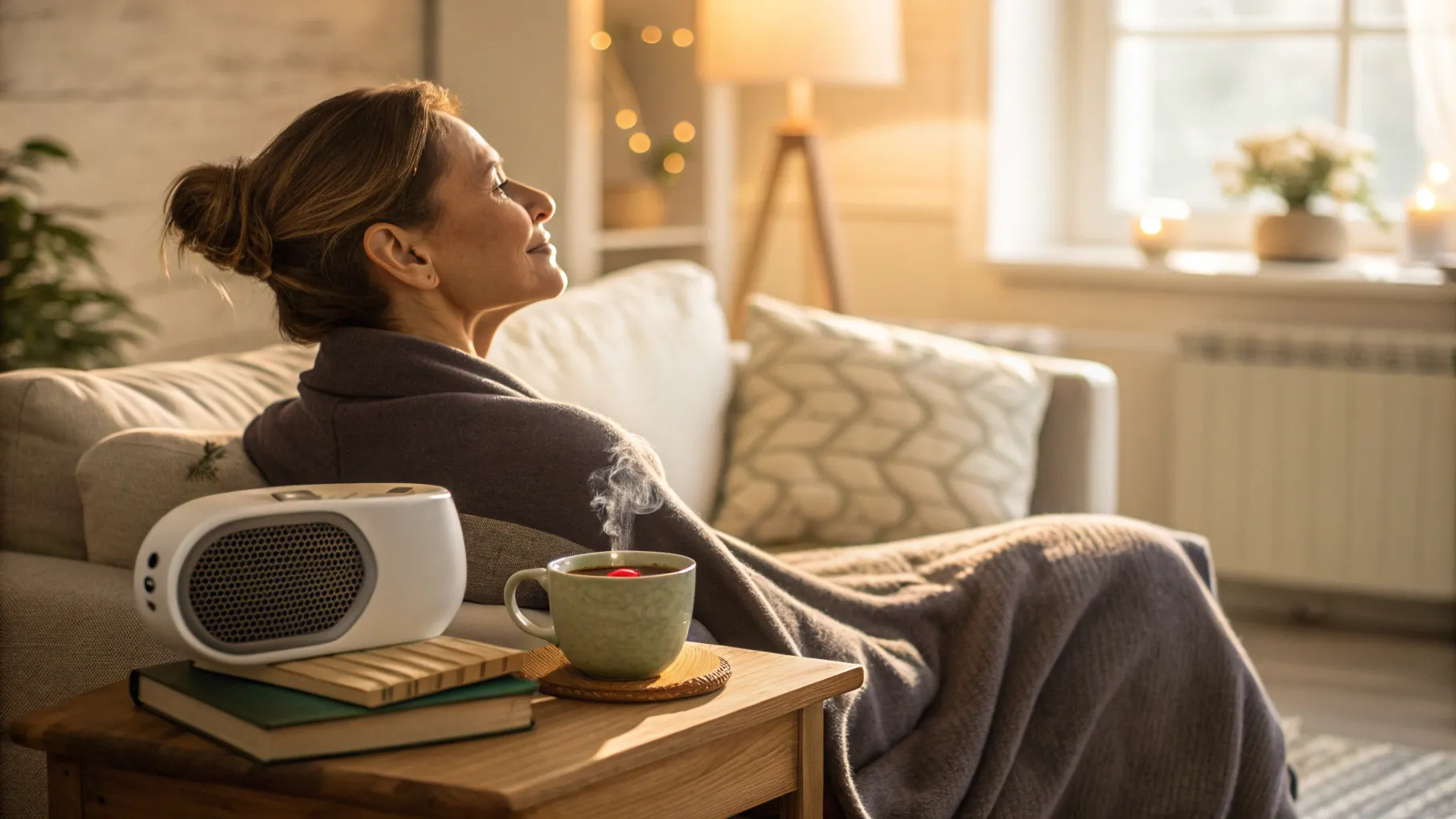
For many, the most accessible and comforting solutions are found at home. These natural remedies for menstrual cramps focus on soothing the body and reducing inflammation without medication. One of the most popular methods is applying heat. A warm heating pad or a hot water bottle placed on the lower abdomen can relax the uterine muscles, easing the contractions that cause pain. Similarly, a warm bath, perhaps with Epsom salts, can provide full-body relaxation and reduce cramping. These methods work by increasing blood flow to the pelvic area, which helps to alleviate the pain.
The Power of Herbal Teas and Supplements
Certain herbs have been used for centuries as remedies for menstrual cramps due to their anti-inflammatory and antispasmodic properties. Ginger tea, for example, can reduce the production of pain-causing prostaglandins. Chamomile tea is known for its calming effects and can help relax uterine muscles. Other beneficial supplements include magnesium, which plays a crucial role in muscle function and can reduce cramping, and omega-3 fatty acids, known for their powerful anti-inflammatory effects. Incorporating these into your routine, especially in the days leading up to your period, can make a significant difference.
Dietary Adjustments to Ease Menstrual Pain
What you eat can have a profound effect on the severity of your menstrual cramps. A diet rich in anti-inflammatory foods like fruits, vegetables, whole grains, and fatty fish can be one of the most proactive remedies for menstrual cramps. It's equally important to limit foods that can increase inflammation and bloating, such as processed foods, excessive sugar, salt, and caffeine. Staying well-hydrated by drinking plenty of water is also essential, as dehydration can worsen muscle cramps. Making these dietary shifts a consistent part of your lifestyle, not just during your period, can lead to long-term improvements in menstrual health.
The Role of Gentle Exercise and Movement
While vigorous exercise might be the last thing on your mind when you're in pain, gentle movement can be one of the most effective remedies for menstrual cramps. Activities like yoga, light walking, and stretching increase blood flow and release endorphins, which are the body's natural painkillers. Specific yoga poses, such as Cat-Cow and Child's Pose, are particularly beneficial for relaxing the lower back and abdominal muscles. The key is to listen to your body and choose low-impact activities that feel good, rather than pushing yourself too hard.
Over-the-Counter and Medical Remedies for Menstrual Cramps
When natural methods aren't enough, over-the-counter (OTC) pain relievers can provide reliable relief. Nonsteroidal anti-inflammatory drugs (NSAIDs) like ibuprofen (Advil) and naproxen (Aleve) are excellent remedies for menstrual cramps because they target the production of prostaglandins, the chemicals responsible for uterine contractions and pain. For best results, it is often recommended to take NSAIDs at the first sign of your period or cramps, rather than waiting for the pain to become severe. If OTC options are ineffective, a doctor might prescribe stronger pain medication or suggest hormonal birth control, which can regulate the cycle and reduce the severity of cramps.
Frequently Asked Questions
What are the fastest-acting remedies for menstrual cramps?
The fastest-acting remedies for menstrual cramps are typically over-the-counter NSAIDs like ibuprofen, which can start working within 30-60 minutes. Applying direct heat with a heating pad also provides very quick, localized relief by relaxing the cramping muscles.
Can lifestyle changes provide long-term remedies for menstrual cramps?
Absolutely. Consistent lifestyle changes, such as adopting an anti-inflammatory diet, engaging in regular gentle exercise, managing stress, and ensuring adequate sleep, are powerful long-term remedies for menstrual cramps. These habits can reduce the frequency and severity of pain over time.
When should I see a doctor for my period pain?
You should consult a doctor if your cramps are severe enough to interfere with your daily life, if they suddenly worsen, or if they are not relieved by standard remedies for menstrual cramps. Severe pain could be a sign of an underlying condition like endometriosis or uterine fibroids that requires medical diagnosis and treatment.
References
- The American College of Obstetricians and Gynecologists (ACOG) - Dysmenorrhea: Painful Periods
- National Institutes of Health (NIH) - Period Pain: Overview
- Journal of Women's Health - Non-pharmacological approaches to dysmenorrhea management