
PRP for Hair Loss: The Restoration Option People Are Exploring
When it comes to addressing hair loss, individuals have more options available than ever before. While traditional methods have been around for decades, newer, minimally invasive techniques are gaining significant attention. One such treatment that many are exploring is Platelet-Rich Plasma (PRP) therapy, a procedure that harnesses the body's own natural healing mechanisms to potentially encourage hair growth.
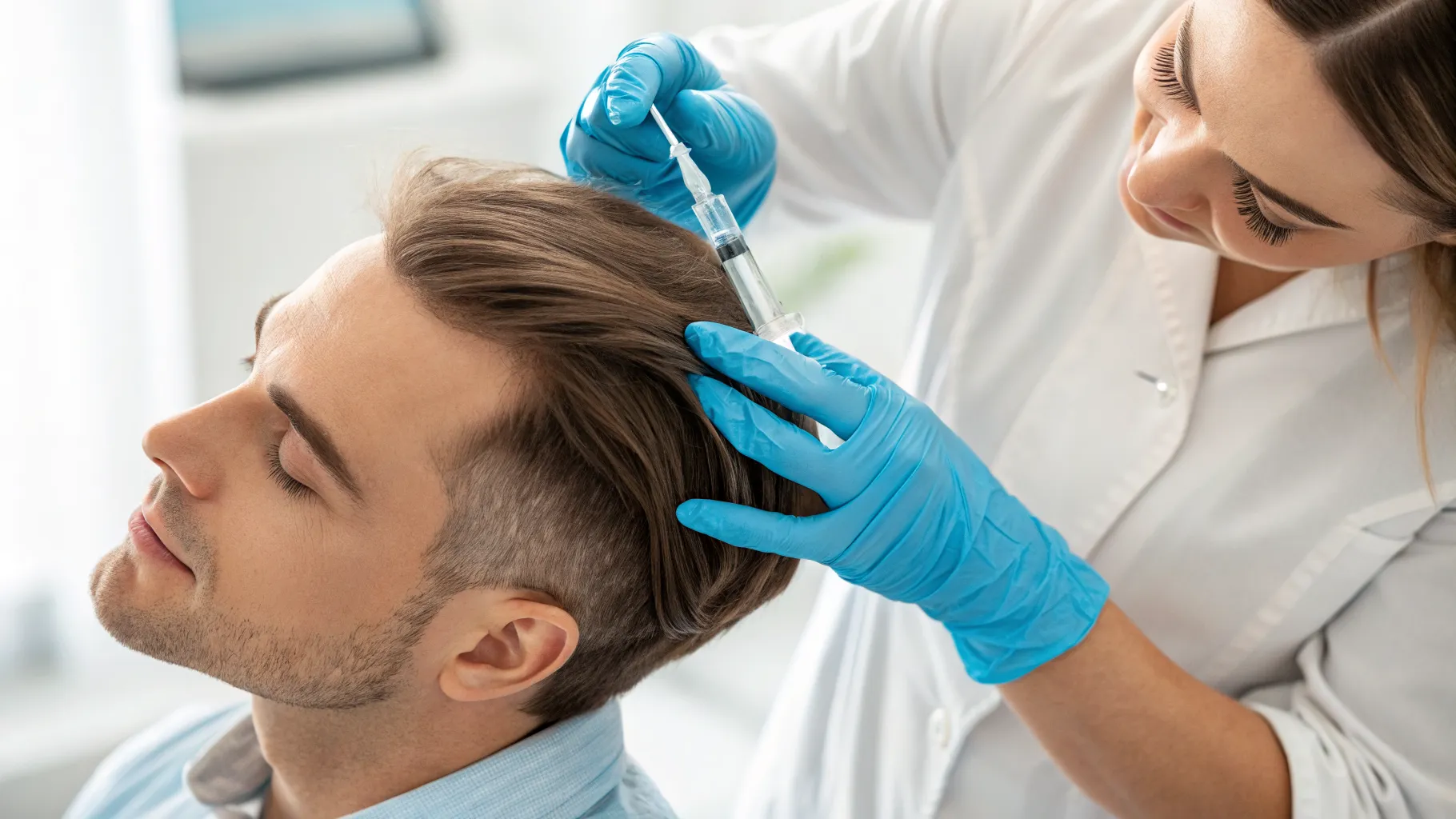
What Exactly is Platelet-Rich Plasma (PRP) Therapy?
Platelet-Rich Plasma therapy is a medical treatment that involves using a concentration of a patient's own platelets to accelerate healing and regeneration in a specific area. While it has been used for years in sports medicine to help heal injuries to tendons, ligaments, and muscles, its application has expanded into dermatology and hair restoration. The core idea is to leverage the growth factors found in blood platelets to stimulate dormant or underperforming hair follicles.
The process starts with your own blood. Platelets are a type of blood cell that plays a crucial role in clotting and tissue repair. They contain hundreds of proteins called growth factors, which are essential for healing injuries. By isolating and concentrating these platelets, practitioners create a powerful plasma that, when reintroduced into the scalp, is thought to nourish hair follicles and promote an environment conducive to hair growth.
How Does the PRP Procedure for Hair Loss Work?
The procedure for PRP hair therapy is relatively straightforward and is typically performed in a clinical office setting. It begins with a standard blood draw from your arm, similar to what you would experience during a routine physical. This blood sample is then placed into a machine called a centrifuge, which spins at a high velocity to separate the blood components: red blood cells, platelet-poor plasma, and platelet-rich plasma.
Once the platelet-rich plasma is isolated, it is carefully drawn into a syringe. The practitioner then strategically injects this concentrated plasma into the areas of the scalp where hair thinning is most prominent. The entire process usually takes about an hour from start to finish. Most treatment plans involve a series of sessions, often scheduled a month apart for the first three to four months, followed by maintenance treatments every four to six months to sustain the results.
Who is an Ideal Candidate for PRP Hair Treatment?
PRP therapy is not a one-size-fits-all solution, and its effectiveness can vary from person to person. Generally, the best candidates are individuals in the early stages of hair loss. It is often most effective for those with androgenetic alopecia, also known as male or female pattern baldness, where hair follicles are still present but have become miniaturized and less productive. The treatment aims to reactivate these weakened follicles rather than grow new ones in completely bald areas.
Conversely, certain individuals may not be suitable candidates for this treatment. People with underlying medical conditions such as chronic skin diseases, cancer, or active infections may be advised against it. Additionally, those with a low platelet count or who are on blood-thinning medication might not achieve optimal results. A thorough consultation with a qualified medical professional is essential to determine if PRP is a safe and appropriate option for your specific situation.
What to Expect During and After the Treatment
Patients often wonder about the level of discomfort associated with the procedure. While the scalp is a sensitive area, practitioners typically use a local anesthetic or numbing cream to minimize any pain from the injections. Most people report a feeling of pressure or a mild stinging sensation during the injection process, but it is generally well-tolerated. The session itself is quick, and you can typically return to your daily activities immediately afterward.
Following the treatment, there is very little downtime required. You might experience some mild swelling, soreness, or redness at the injection sites, but these side effects usually subside within a day or two. Most providers will give you a list of post-treatment instructions, which may include avoiding harsh chemical hair treatments, excessive sun exposure, and strenuous activity for a short period to allow the scalp to heal properly.
Understanding the Results and Timeline
It is important for anyone considering PRP therapy to have realistic expectations about the results. The changes are gradual and not instantaneous. Because the treatment works by stimulating the natural hair growth cycle, it takes time to see a noticeable difference. The goal is to increase hair density, improve hair thickness, and slow the rate of shedding.
The typical timeline for seeing results can vary, but most individuals begin to notice improvements after a few months. A common treatment schedule and outcome expectation looks something like this:
- Initial Phase: One treatment per month for the first three to four months to kickstart the stimulation of follicles.
- Visible Changes: Initial signs of reduced shedding and early regrowth may appear within two to three months. More significant improvements in thickness and coverage are often seen around the six-month mark.
- Maintenance Phase: After the initial series of treatments, maintenance sessions are usually recommended every four to six months to preserve the results.
Navigating Costs and Finding a Qualified Provider
The cost of PRP therapy can be a significant consideration for many people. Prices vary widely depending on geographic location, the experience of the provider, and the specifics of the treatment plan. Since it is considered a cosmetic procedure, PRP for hair loss is rarely covered by health insurance. Each session can cost several hundred to over a thousand dollars, so it's important to discuss the full treatment plan and associated costs upfront during your consultation.
Choosing the right provider is crucial for both safety and effectiveness. Look for a board-certified dermatologist, plastic surgeon, or medical professional with extensive experience specifically in performing PRP for hair restoration. It is wise to schedule consultations with a few different practitioners, ask to see before-and-after photos of their patients, and ensure they perform the procedure in a sterile, clinical environment. A qualified provider will conduct a thorough evaluation of your hair loss and medical history to confirm you are a good candidate before proceeding.