
Psoriasis on the Scalp: Symptoms and Care Tips for Relief
Facts:
- Scalp psoriasis affects nearly 50% of all psoriasis patients.
- A growing trend is using gentle, sulfate-free products for scalp care.
Understanding the Telltale Signs of Psoriasis on the Scalp
Dealing with an itchy, flaky, and uncomfortable scalp can be distressing, and it's often more than just simple dandruff. It could be a sign of scalp psoriasis, a common chronic autoimmune condition. Recognizing the specific indicators is the first crucial step toward effective management. This guide provides comprehensive information on Psoriasis on the Scalp: Symptoms and Care Tips, helping you to identify the condition and explore practical ways to soothe irritation and reduce flare-ups. Understanding the nuances of this condition is vital for anyone seeking long-term relief and improved scalp health.
Recognizing the Primary Symptoms of Scalp Psoriasis
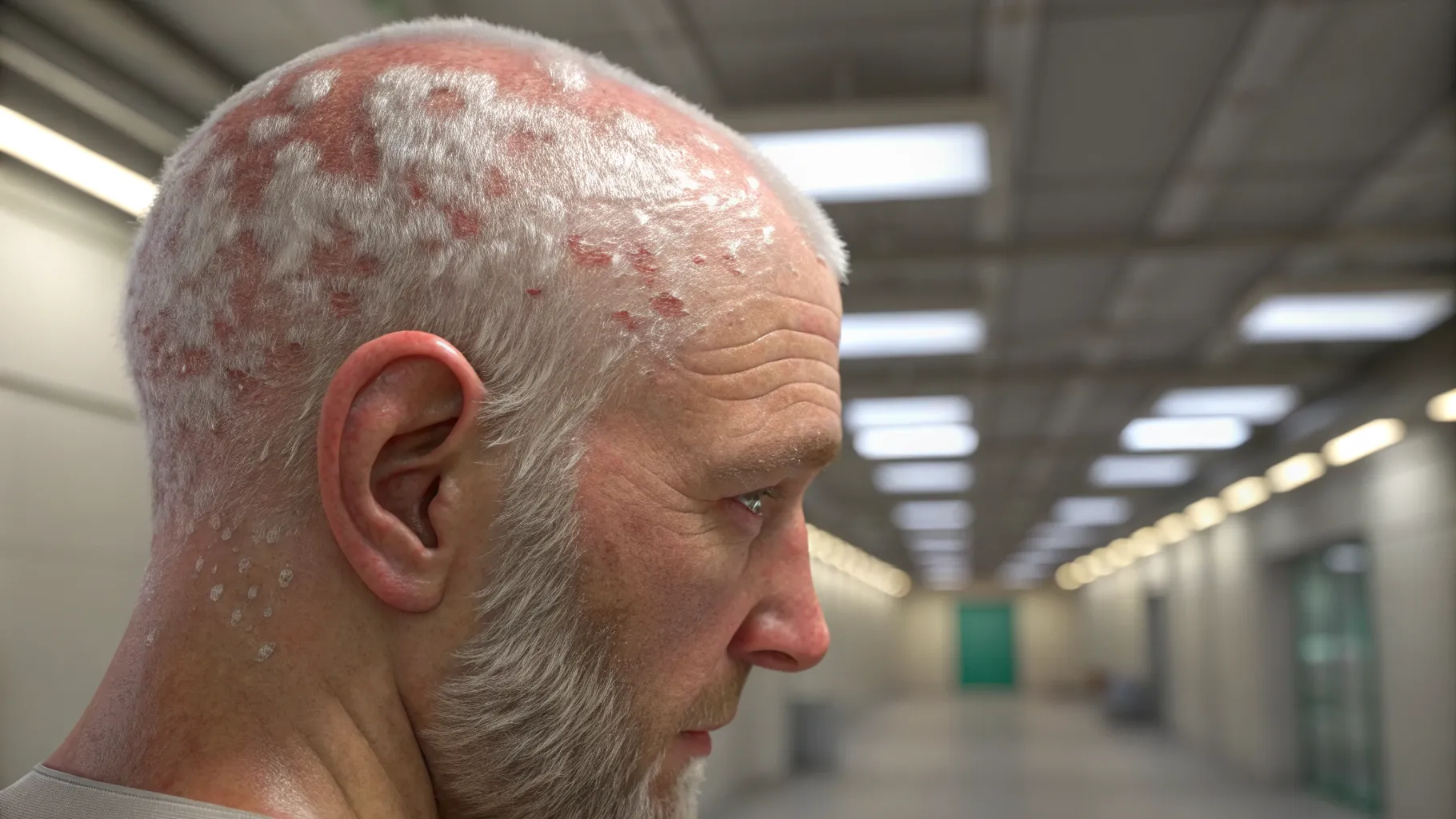
The presentation of Psoriasis on the Scalp: Symptoms and Care Tips can vary from mild to severe. Mild cases might appear as fine, dandruff-like scaling. However, in more moderate to severe cases, the symptoms are much more pronounced. These include well-defined, thick, reddish plaques covered with silvery-white scales. These plaques can appear in small patches or cover the entire scalp, sometimes extending onto the forehead, the back of the neck, or behind the ears. Intense itching is one of the most common and bothersome symptoms, often leading to scratching that can cause skin breaks, bleeding, and temporary hair loss. Other symptoms include a burning sensation, soreness, and significant dryness that leads to cracking of the skin.
What Causes and Triggers Psoriasis on the Scalp?
Like other forms of psoriasis, scalp psoriasis is caused by an overactive immune system that accelerates the life cycle of skin cells. This rapid turnover results in cells building up on the surface of the skin, forming the characteristic plaques and scales. While the exact cause is rooted in genetics and immune system function, several external and internal factors can trigger or worsen flare-ups. Common triggers include stress, which is a major contributor to inflammatory responses in the body. Skin injuries, such as cuts, scrapes, or even harsh scratching, can also provoke a flare-up in a phenomenon known as the Koebner response. Infections, particularly strep throat, have been linked to the onset of psoriasis. Furthermore, certain medications, cold and dry weather, and heavy alcohol consumption can exacerbate the symptoms of scalp psoriasis.
Effective Over-the-Counter and Medicated Care Tips
Managing this condition effectively involves a combination of treatments and consistent care. Here are some of the most recommended Psoriasis on the Scalp: Symptoms and Care Tips.
- Medicated Shampoos: Look for shampoos containing active ingredients like coal tar or salicylic acid. Coal tar helps slow the rapid growth of skin cells, while salicylic acid helps lift, soften, and remove scales. Using these regularly can significantly reduce scaling and inflammation.
- Topical Corticosteroids: Available in various forms like solutions, lotions, and foams, topical steroids are a mainstay for reducing inflammation and itching. They are often prescribed by a dermatologist and should be used exactly as directed to avoid side effects.
- Scale Softeners: Products containing salicylic acid, lactic acid, or urea can be applied to the scalp to soften thick scales, making them easier to remove gently with a comb before shampooing. This allows medicated treatments to penetrate the skin more effectively.
- Vitamin D Analogues: Prescription treatments like calcipotriene (a synthetic form of vitamin D) work by slowing down skin cell growth. They are often used in combination with topical corticosteroids for enhanced effectiveness.
Lifestyle Adjustments and Home Remedies for Scalp Health
In addition to medical treatments, certain lifestyle changes and home care strategies can provide significant relief and help manage flare-ups. A key aspect of Psoriasis on the Scalp: Symptoms and Care Tips is gentle handling. Avoid scratching the scalp, as this can worsen the condition and lead to infection. When combing or brushing your hair, do so gently. It's also beneficial to reduce stress through techniques like meditation, yoga, or regular exercise, as stress is a well-known trigger. Some people find relief from applying natural oils like coconut or tea tree oil (diluted) to moisturize the scalp and loosen scales, though it's important to patch-test first. Protecting your scalp from cold, dry weather and using a humidifier indoors can also help prevent dryness and irritation.
When to Consult a Dermatologist for Your Scalp Psoriasis
While many mild cases can be managed with over-the-counter products and home care, it is crucial to see a dermatologist if your symptoms are severe, persistent, or worsening. A healthcare professional can provide an accurate diagnosis and rule out other conditions like seborrheic dermatitis. If topical treatments are not effective, a dermatologist may recommend other options such as phototherapy (light therapy) or systemic medications, which work throughout the body. These advanced treatments can be highly effective for moderate to severe Psoriasis on the Scalp, offering a path to clearer skin and improved quality of life. Regular check-ins with your doctor are essential for monitoring your condition and adjusting your treatment plan as needed.
Frequently Asked Questions
Can Psoriasis on the Scalp cause permanent hair loss?
While scratching or harsh removal of scales can lead to temporary hair loss, it is not typically permanent. Once the psoriasis flare-up is controlled and the inflammation subsides, the hair usually grows back. Following proper Psoriasis on the Scalp: Symptoms and Care Tips helps minimize this risk.
Is scalp psoriasis contagious?
No, psoriasis is not contagious. It is an autoimmune condition, meaning you cannot catch it from or pass it on to another person through contact.
How often should I wash my hair if I have scalp psoriasis?
Daily washing with a medicated shampoo is often recommended during a flare-up to help remove scales and reduce inflammation. However, it's best to consult with your dermatologist for a personalized recommendation based on the severity of your condition and the specific treatments you are using.
References
- National Psoriasis Foundation: About Psoriasis
- American Academy of Dermatology: Psoriasis: Diagnosis and treatment
- Journal of Clinical and Aesthetic Dermatology: Scalp Psoriasis: A Comprehensive Review