
What to Do During a Fatty Liver Attack
Fast Facts:
- Early detection prevents severe liver damage.
- Prevalence of Non-Alcoholic Fatty Liver Attack is increasing globally for adults.
Understanding the Onset of a Fatty Liver Flare-Up
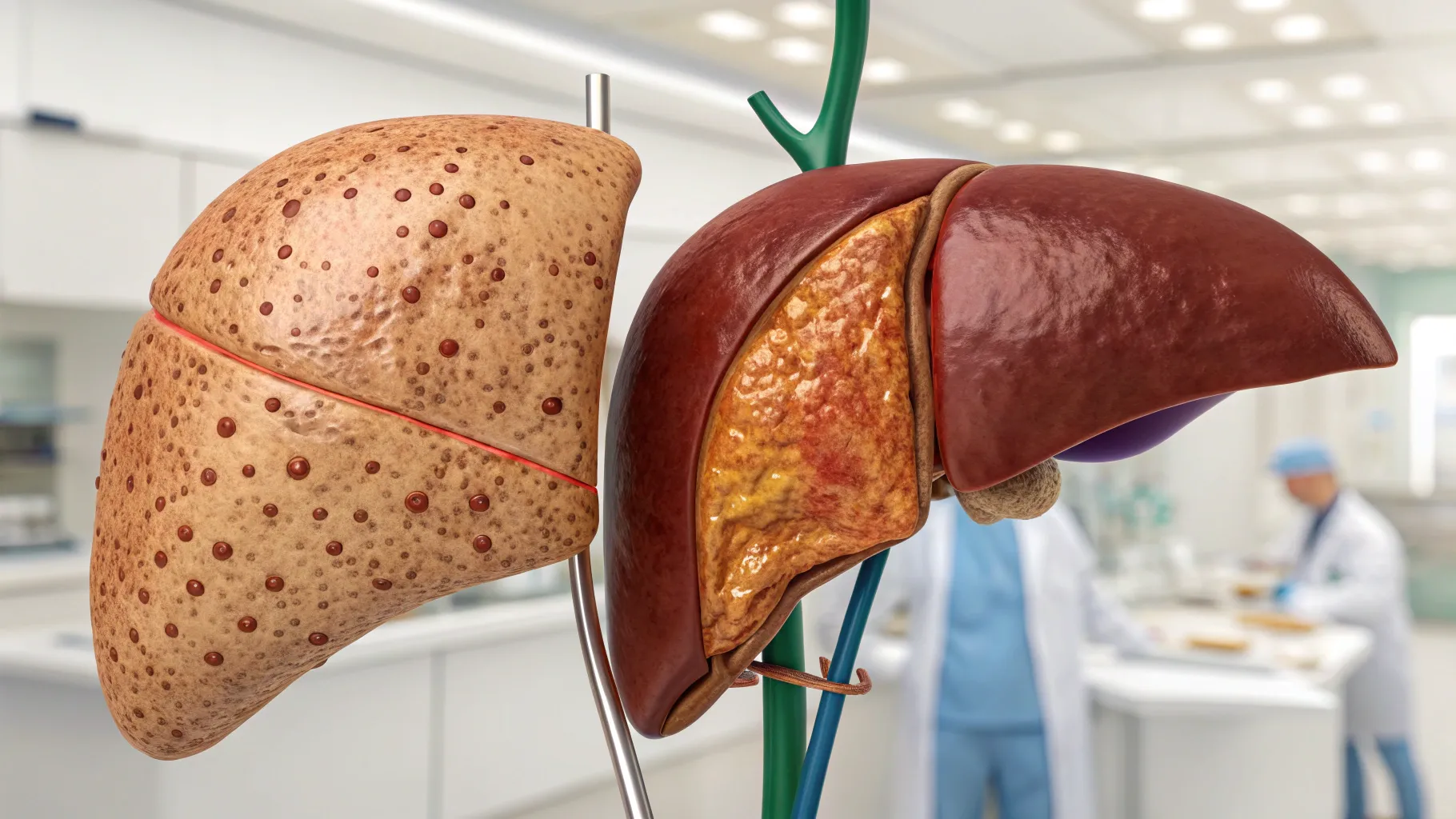
A fatty liver flare-up, often interchangeably described as a fatty liver attack, signifies a period of acute exacerbation in symptoms for individuals living with fatty liver disease. While chronic fatty liver disease progresses silently for many, certain triggers can lead to a sudden worsening of inflammation and discomfort. Recognizing these critical moments is paramount for timely intervention and preventing further liver damage. This detailed guide explores the nuances of identifying a flare-up, understanding its underlying causes, and implementing effective strategies for management and recovery.
Key Symptoms of a Developing Fatty Liver Flare-Up
Persistent Abdominal Discomfort and Pain
One of the most common and distressing signs of a developing fatty liver flare-up is persistent discomfort or pain in the upper right quadrant of the abdomen, where the liver is located. This pain can range from a dull ache to a sharper, more intense sensation, often radiating to the back. It's crucial to differentiate this from other abdominal issues, as liver pain tends to be more localized and may worsen after eating fatty foods or during physical exertion. The discomfort stems from the liver swelling due to increased inflammation and fat accumulation, putting pressure on the surrounding organs and capsule. Many individuals describe it as a feeling of fullness or a constant pressure that is hard to alleviate. Paying close attention to the duration and intensity of this pain is vital for early recognition of a potential fatty liver attack.
Unexplained Fatigue and Malaise
Profound and unexplained fatigue is another hallmark symptom that signals a serious liver issue, including a fatty liver attack. Unlike regular tiredness, this fatigue is often debilitating, not relieved by rest, and can significantly impact daily activities. The liver plays a crucial role in energy metabolism, detoxification, and nutrient processing. When it's inflamed and under stress during a fatty liver flare-up, its efficiency diminishes, leading to a systemic feeling of malaise and a lack of energy. This can be accompanied by a general feeling of being unwell, similar to the onset of a viral infection, but without the typical fever. Patients might also experience difficulty concentrating or a general mental fogginess, further indicating the systemic impact of liver inflammation.
Digestive Disturbances and Nausea
The liver's close relationship with the digestive system means that a fatty liver flare-up often manifests with significant digestive disturbances. Nausea, sometimes accompanied by vomiting, is a common symptom. This can be due to the liver's impaired ability to produce bile, which is essential for fat digestion, or due to general systemic inflammation affecting the gut. Loss of appetite, indigestion, and a feeling of early satiety (feeling full after eating very little) are also frequently reported. These symptoms can exacerbate weight loss in some individuals or make it difficult to maintain a healthy diet, creating a vicious cycle. Understanding these digestive changes is key to identifying a potential fatty liver attack early.
Triggers and Risk Factors for a Fatty Liver Attack
Understanding what precipitates a fatty liver attack is as important as recognizing its symptoms. Several factors can act as triggers, pushing a stable fatty liver condition into a full-blown flare-up. Dietary indiscretions, particularly consuming excessive amounts of sugar, refined carbohydrates, and unhealthy fats, are primary culprits. These foods place an immense metabolic burden on the liver, leading to increased fat accumulation and inflammation. Alcohol consumption, even in moderate amounts for those with non-alcoholic fatty liver disease (NAFLD), can severely aggravate the liver, initiating a flare-up. Furthermore, rapid weight loss or gain, certain medications, and uncontrolled chronic conditions like type 2 diabetes and insulin resistance significantly heighten the risk. Stress, infections, and even environmental toxins can also contribute to an acute fatty liver flare-up, underscoring the multifactorial nature of this condition and the need for a holistic management approach.
Immediate Management Strategies During a Flare-Up
When experiencing a fatty liver flare-up, prompt and appropriate action is crucial to alleviate symptoms and prevent further damage. The immediate priority is to rest the liver. This involves temporarily adopting a very bland, low-fat, and low-sugar diet. Focus on easily digestible foods like steamed vegetables, lean proteins, and whole grains. Hydration is also key; drink plenty of water and herbal teas. Avoid alcohol, caffeine, and highly processed foods entirely. Over-the-counter pain relievers should be used with caution, as many are metabolized by the liver; consult a healthcare professional. Applying a warm compress to the abdomen might provide some symptomatic relief for discomfort. Most importantly, contact your doctor immediately. They can assess the severity of the fatty liver attack, rule out other conditions, and adjust your treatment plan as needed, possibly including blood tests or imaging to evaluate liver function and inflammation levels. Self-treating without medical guidance can be risky.
Long-Term Approaches to Prevent Future Fatty Liver Attacks
Preventing recurrent fatty liver flare-ups requires a dedicated long-term strategy focused on lifestyle modification and medical management. The cornerstone of prevention is a sustained commitment to a healthy diet, emphasizing whole foods, plenty of fruits and vegetables, and healthy fats while strictly limiting processed foods, sugary drinks, and excessive red meat. Regular physical activity, aiming for at least 150 minutes of moderate-intensity exercise per week, is vital for weight management and improving insulin sensitivity. Maintaining a healthy weight or achieving gradual weight loss can significantly reduce liver fat and inflammation. For those with underlying conditions like diabetes or high cholesterol, diligent management of these diseases through medication and lifestyle changes is paramount. Regular follow-ups with a gastroenterologist or hepatologist are essential to monitor liver health, track progress, and adjust treatment plans. Adherence to prescribed medications, such as those that improve insulin sensitivity or reduce cholesterol, plays a critical role in preventing another fatty liver attack and promoting overall liver health.
When to Seek Emergency Medical Attention
While many fatty liver flare-ups can be managed with lifestyle adjustments and medical consultation, certain severe symptoms warrant immediate emergency medical attention. These include intense, sudden, and incapacitating abdominal pain, especially if accompanied by fever or chills, which could indicate a severe infection or other acute abdominal pathology. Persistent vomiting that prevents fluid intake and leads to dehydration is also a serious concern. The development of jaundice (yellowing of the skin or eyes), dark urine, or pale stools are critical signs of significant liver dysfunction and require urgent assessment. Mental confusion, disorientation, or extreme drowsiness could point to hepatic encephalopathy, a severe complication of liver failure. Any of these symptoms, particularly when they appear rapidly or are more severe than previous experiences, indicate a medical emergency during a fatty liver attack and should prompt an immediate visit to the nearest emergency room.
Frequently Asked Questions
Can stress trigger a fatty liver attack?
While stress itself isn't a direct cause of fatty liver, chronic psychological stress can indirectly contribute to a fatty liver flare-up by influencing lifestyle choices (e.g., poor diet, increased alcohol intake) and by promoting inflammation throughout the body. Stress hormones can also impact metabolic processes, potentially worsening insulin resistance and fat accumulation in the liver. Managing stress through techniques like meditation, yoga, and regular exercise is an important component of overall liver health.
How long does a fatty liver flare-up typically last?
The duration of a fatty liver flare-up can vary significantly depending on its severity, the underlying causes, and how quickly interventions are implemented. Mild flare-ups due to dietary indiscretion might resolve within a few days to a week with strict dietary changes and rest. More severe episodes, especially if associated with significant inflammation or other complications, could last for several weeks. The key to reducing duration and severity is prompt medical attention and strict adherence to a liver-friendly regimen. Untreated or recurrent flare-ups can lead to progressive liver damage over time.
Is a fatty liver attack the same as liver failure?
No, a fatty liver attack is not the same as liver failure, although recurrent or severe flare-ups can contribute to the progression towards liver failure over many years. A flare-up signifies an acute worsening of symptoms and inflammation in a liver already affected by fat accumulation. Liver failure, on the other hand, is a much more severe condition where the liver loses its ability to perform essential functions. While a severe flare-up requires medical attention, it generally does not mean immediate liver failure. It serves as a crucial warning sign that the disease is active and needs more aggressive management to prevent long-term complications like cirrhosis and eventual liver failure.
References
- American Association for the Study of Liver Diseases. Clinical Practice Guidelines.
- National Institute of Diabetes and Digestive and Kidney Diseases (NIDDK). Fatty Liver Disease.
- World Health Organization (WHO). Global Report on Noncommunicable Diseases.