
Recognizing the Signs: A Guide to Chronic Stress Symptoms
While everyone experiences stress from time to time, chronic stress is different. It's a prolonged and constant feeling of stress that can negatively affect your health if it goes untreated. Unlike acute stress, which is a short-term response to an immediate threat, chronic stress keeps your body in a heightened state of alert over an extended period. Recognizing its symptoms is the first step toward managing its effects.
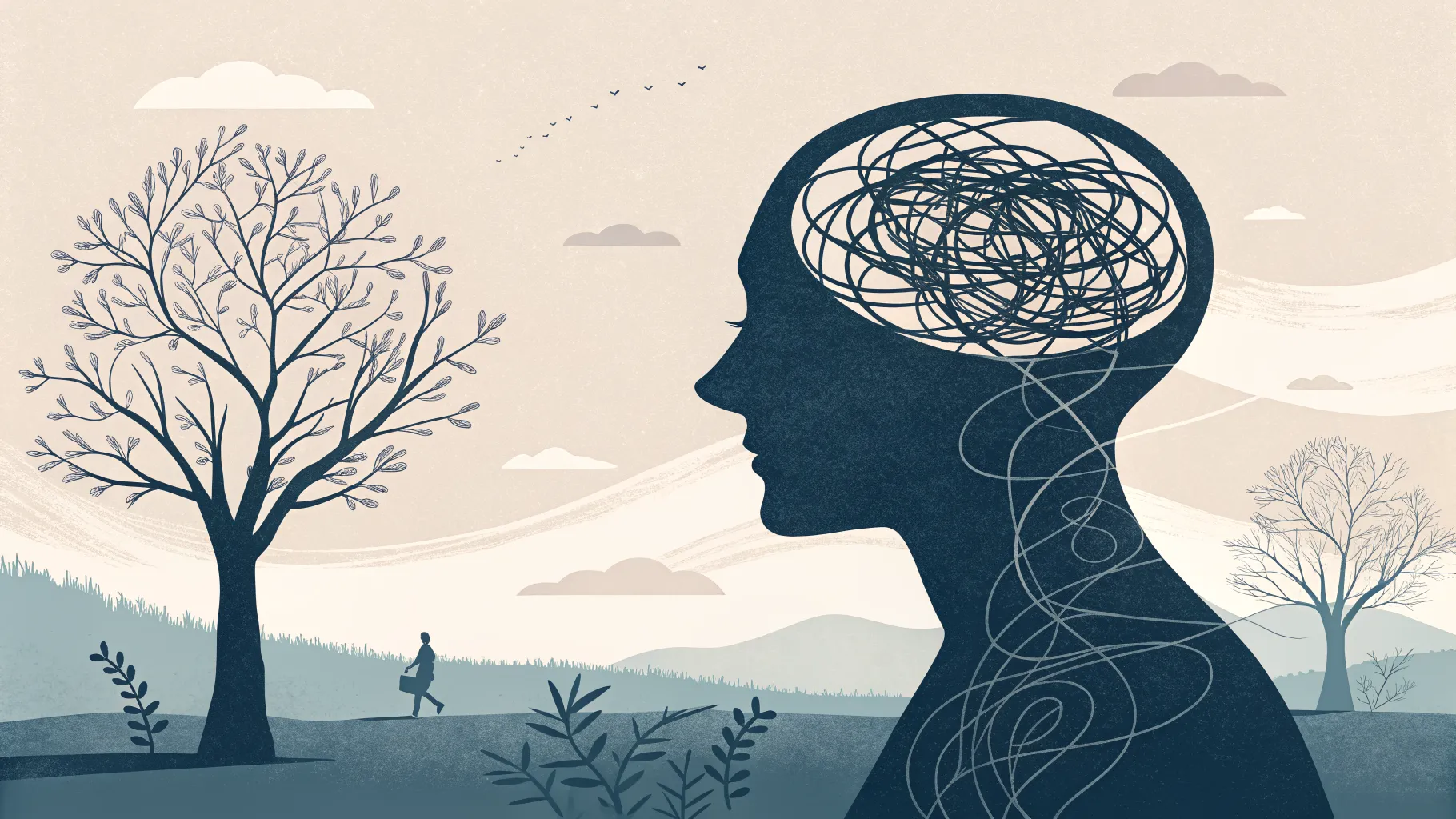
Physical Symptoms of Chronic Stress
The body's long-term reaction to stress can manifest in numerous physical ways. Continuous activation of the stress response system and the overexposure to cortisol and other stress hormones can disrupt almost all of your body's processes. This can put you at increased risk of numerous health problems. Many people may not immediately connect these physical ailments to stress, often attributing them to other causes.
Common physical signs to watch for include:
- Headaches and migraines that occur more frequently.
- Muscle tension and pain, especially in the neck, shoulders, and back.
- Chronic fatigue and a persistent feeling of being tired, even after sleeping.
- Digestive issues such as stomachaches, nausea, diarrhea, or constipation.
- Changes in sleep patterns, including insomnia or oversleeping.
- A weakened immune system, leading to more frequent colds and infections.
Emotional and Psychological Symptoms
Chronic stress has a profound impact on your mood and overall emotional state. The constant pressure can wear you down, making it difficult to cope with the daily challenges of life. You might find yourself feeling more volatile or emotionally fragile than usual. These emotional symptoms can be just as debilitating as the physical ones and can significantly affect your personal and professional relationships.
Emotionally, you might experience increased irritability, agitation, or frustration, even over minor issues. Feelings of being overwhelmed, as if you are losing control or need to regain it, are also common. Many people with chronic stress report symptoms of anxiety, including a sense of dread or persistent worry. In some cases, it can lead to feelings of sadness or even contribute to the development of depression.
Cognitive Symptoms
Beyond the physical and emotional toll, chronic stress can also impair your cognitive functions. The brain is highly sensitive to stress hormones, and prolonged exposure can interfere with its ability to think clearly and efficiently. This can affect your performance at work or school and make everyday decision-making feel like a monumental task. These cognitive slips can be frustrating and may add to your overall feeling of stress.
Key cognitive symptoms include difficulty concentrating or focusing on tasks, memory problems, and general disorganization. You may also notice poor judgment, an inability to make decisions, or a tendency to see only the negative side of situations. A mind racing with constant, anxious thoughts is another hallmark of chronic stress, making it difficult to quiet your mind and relax.
Behavioral Changes Caused by Stress
Often, people experiencing chronic stress will change their behavior, sometimes without even realizing it. These behavioral shifts are often coping mechanisms, although they are typically unhealthy ones. They can serve as outward indicators that a person is struggling to manage their stress levels. These changes can strain relationships and create new problems, compounding the original source of the stress.
Some common behavioral symptoms include changes in appetite, such as overeating or undereating. Some individuals may turn to alcohol, cigarettes, or other substances to relax. Social withdrawal, or avoiding friends, family, and activities you once enjoyed, is another frequent sign. Procrastinating and neglecting responsibilities can also become a pattern as the feeling of being overwhelmed takes hold.
Impact on the Immune and Cardiovascular Systems
One of the more serious long-term effects of chronic stress is its impact on the body's major systems. The immune system, in particular, can be significantly weakened. Stress hormones can suppress the immune system's effectiveness, making you more susceptible to viral illnesses like the common cold and flu. Furthermore, it can increase the time it takes to recover from an illness or injury.
The cardiovascular system is also at risk. The consistent and ongoing increase in heart rate, along with the elevated levels of stress hormones and blood pressure, can take a toll on the body. Over time, this can contribute to problems such as hypertension, heart attack, and stroke. It's important to understand these hidden dangers, as they often develop silently over many years.
When to Seek Professional Help
If you recognize several of these symptoms and they are persistent, it may be time to consult a healthcare professional. While some level of stress is a normal part of life, chronic stress that interferes with your ability to function should not be ignored. A doctor can help rule out other potential medical causes for your symptoms and recommend effective strategies for stress management.
A healthcare provider or a mental health professional can provide guidance on various coping mechanisms, such as therapy, mindfulness, relaxation techniques, and lifestyle adjustments. They can help you identify the root causes of your stress and develop a personalized plan to manage it. Reaching out for help is a proactive step toward protecting your long-term physical and mental health.