Recognizing the Signs: A Guide to Diabetes Symptoms
Diabetes symptoms often develop because of high blood sugar levels. When your body doesn't produce enough insulin or can't effectively use the insulin it does produce, glucose builds up in the bloodstream instead of going into your cells for energy. Recognizing the resulting signs is crucial for early detection and management of the condition.
Understanding the Types of Diabetes
Before diving into the symptoms, it's helpful to know that there are different types of diabetes, and the onset of symptoms can vary. The most common types are Type 1, Type 2, and gestational diabetes. In Type 1 diabetes, the body's immune system attacks and destroys insulin-producing cells, so the body makes very little or no insulin. Symptoms often appear rapidly over a few weeks.
Type 2 diabetes is the most common form, where the body either doesn't use insulin properly or doesn't make enough of it. Symptoms for Type 2 diabetes often develop slowly over several years and can be so mild that they go unnoticed. Gestational diabetes occurs during pregnancy and typically resolves after delivery, but it increases the mother's risk of developing Type 2 diabetes later in life.
Frequent Urination and Increased Thirst
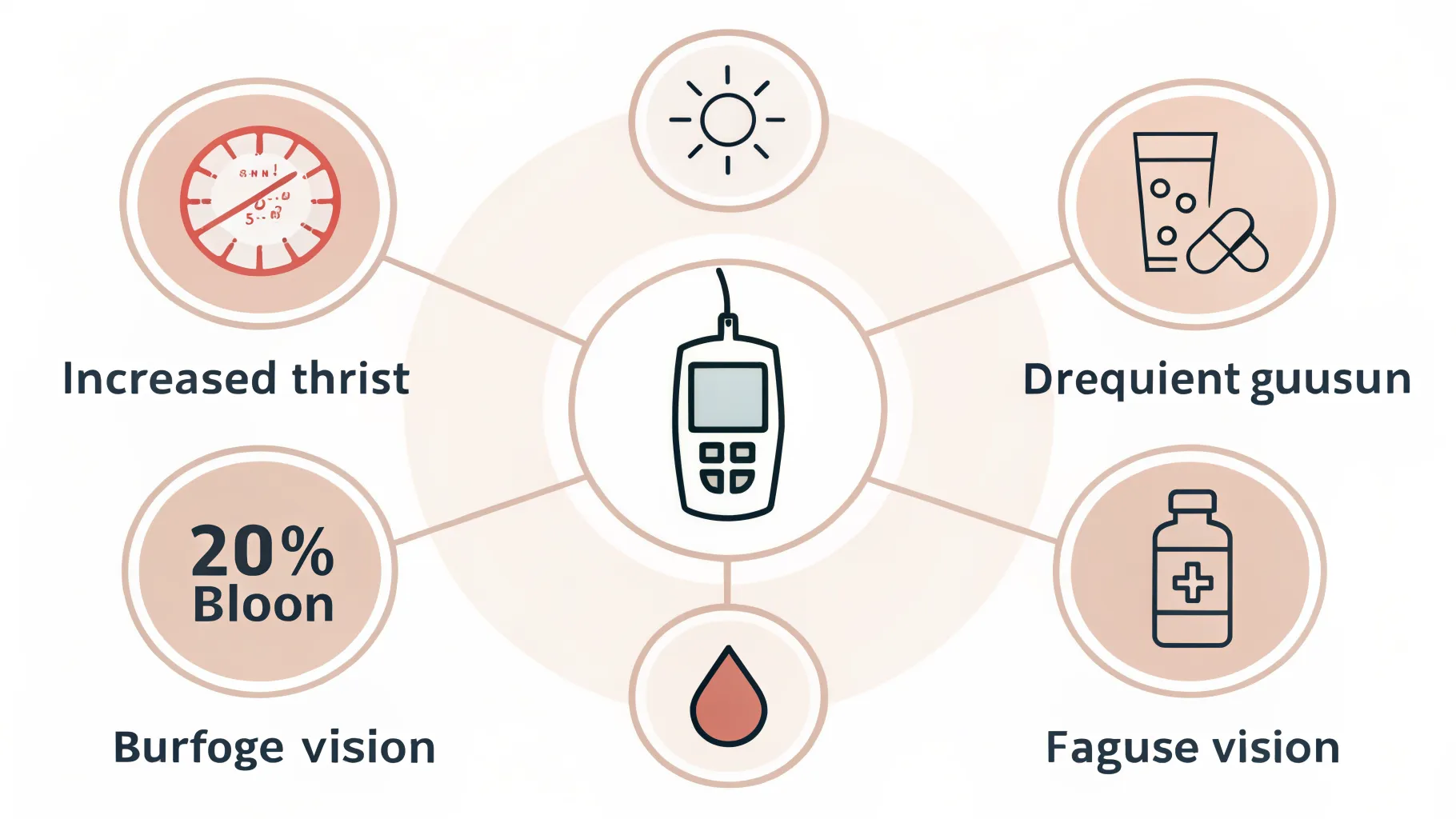
Two of the earliest and most common signs of diabetes are frequent urination (polyuria) and an unquenchable thirst (polydipsia). When there is excess glucose in your blood, your kidneys are forced to work overtime to filter and absorb it. If they can't keep up, the excess sugar is excreted into your urine, dragging along fluids from your tissues, which makes you have to urinate more often.
This frequent urination can lead to dehydration. As your body loses fluids, it will try to replenish them, triggering a strong sensation of thirst. You might find yourself drinking much more than usual, yet still feeling dehydrated. This cycle of increased thirst and urination is a classic indicator that your blood sugar levels may be too high.
Unexplained Weight Loss and Increased Hunger
Losing weight without trying might sound appealing, but it can be a significant sign of diabetes. When your body can't get energy from glucose because of a lack of insulin or insulin resistance, it starts burning fat and muscle for energy instead. This process can cause a rapid and unexplained drop in weight, even if you are eating normally or more than usual.
At the same time, you may experience extreme hunger (polyphagia). Because your body isn't getting the energy it needs from the food you eat, your muscles and other tissues send out hunger signals. This creates a cycle where you feel hungry and eat more, but your body still can't use the glucose, potentially leading to further weight loss and persistent feelings of hunger.
Persistent Fatigue and Blurred Vision
Feeling unusually tired and weak is a common complaint for people with undiagnosed diabetes. The fatigue is a direct result of your body's cells being deprived of glucose for energy. The dehydration caused by frequent urination can also contribute significantly to feeling drained and lethargic. This isn't the kind of tiredness that a good night's sleep can fix; it's a more persistent lack of energy.
High levels of sugar in the blood can also affect your eyes. It can pull fluid from the lenses of your eyes, which affects their ability to focus, resulting in blurred vision. This can come and go. Fortunately, this symptom is often reversible once blood sugar levels are brought back into a target range through treatment.
Slow-Healing Sores and Frequent Infections
High blood sugar levels can affect your circulation and damage nerves, making it harder for your body to heal. You might notice that cuts, sores, or bruises take much longer to heal than they used to. This poor healing process also increases the risk of infections, as open sores provide an entry point for bacteria.
Diabetes can also impair your immune system's ability to fight off infections. This can lead to a variety of issues, including:
- Frequent skin infections, such as boils or infected follicles.
- Gum disease or frequent gum infections.
- Bladder or urinary tract infections.
- Yeast infections, which can occur in both men and women.
When to Consult a Healthcare Professional
If you are experiencing any of the symptoms discussed, especially a combination of them, it is important to speak with a healthcare provider. These signs do not automatically mean you have diabetes, but they are serious enough to warrant a medical evaluation. Ignoring symptoms can lead to more severe health complications over time.
A doctor can diagnose diabetes through simple blood tests, such as a fasting plasma glucose test, an oral glucose tolerance test, or an A1C test, which measures your average blood sugar over the past few months. Early diagnosis and management are the most effective ways to maintain your health and prevent potential long-term issues associated with the condition.