
Recognizing the Signs: A Guide to Knee Arthritis Symptoms
Knee arthritis is a common condition that affects millions of people, often developing gradually over many years. It involves the breakdown of cartilage in the knee joint, which can lead to a variety of uncomfortable symptoms. Recognizing these signs early can be a key step in managing the condition and maintaining your quality of life. This guide will walk you through the primary symptoms associated with arthritis in the knee.
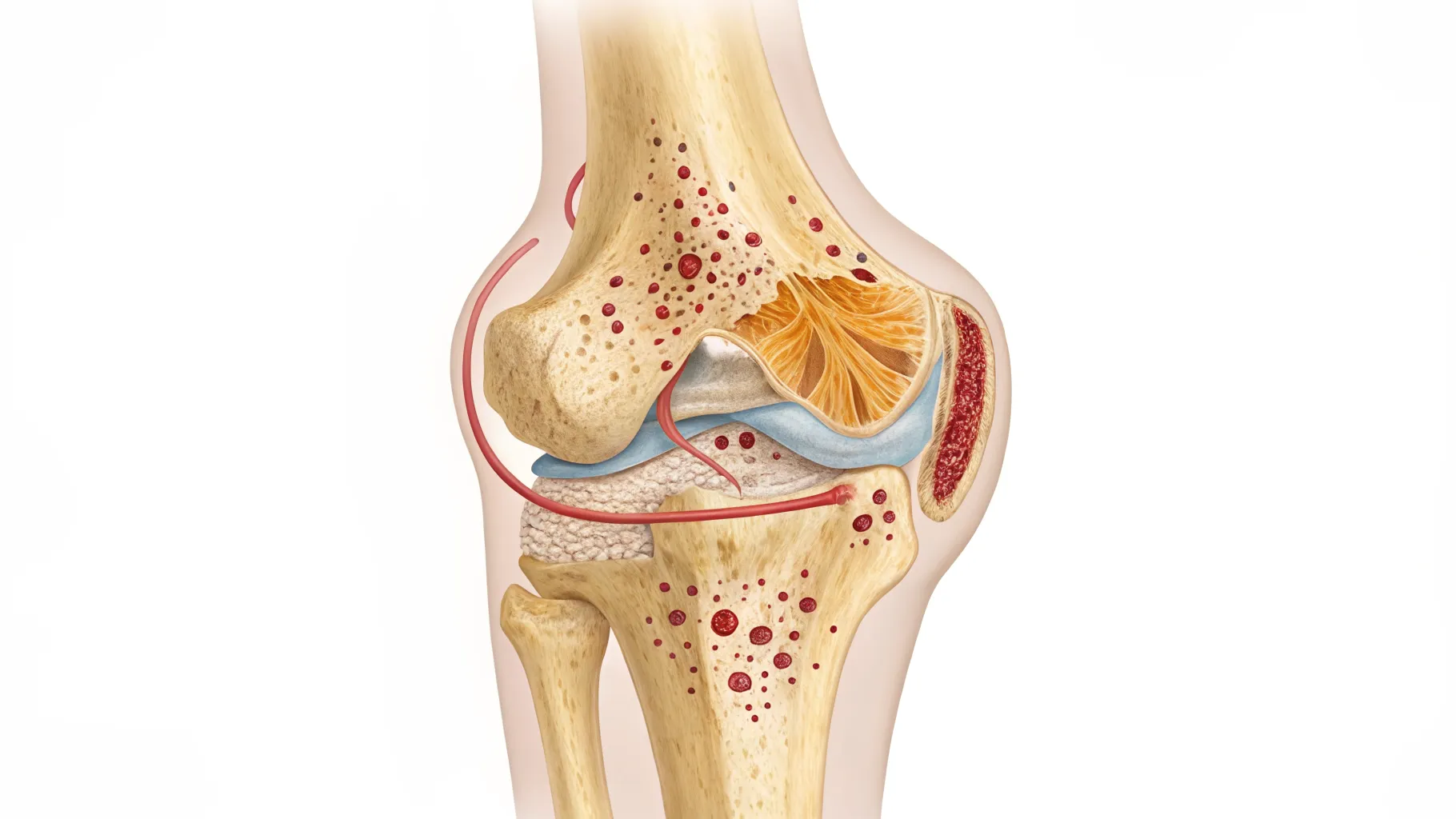
Understanding Knee Pain Patterns
The most prominent symptom of knee arthritis is pain. This pain often develops slowly and can worsen over time. Initially, you might only notice it after specific activities, such as walking for a long distance, climbing stairs, or kneeling. As the condition progresses, the pain may become more constant, even occurring when you are at rest or trying to sleep.
The character of the pain can also vary. Some people describe a dull, persistent ache, while others experience sharp, shooting pains, especially during movement. The location of the pain can depend on which part of the knee is affected. Weather changes, particularly cold or damp conditions, can sometimes exacerbate the discomfort for some individuals.
Joint Stiffness and Loss of Mobility
Stiffness is another hallmark symptom of knee arthritis. Many people find their knee feels particularly stiff first thing in the morning or after they have been sitting for a prolonged period, such as after a long car ride or watching a movie. This stiffness can make it difficult to bend or straighten the knee fully and may take several minutes of movement to ease up.
Over time, this stiffness can contribute to a noticeable loss of mobility or range of motion. You might find that you can no longer bend your knee as far as you used to, which can make everyday activities like putting on socks and shoes, getting in and out of a car, or squatting down challenging.
Swelling and Inflammation
Inflammation within the joint is a common response to the cartilage breakdown in arthritis. This can lead to visible swelling, sometimes referred to as 'water on the knee' or an effusion. The swelling is caused by an accumulation of excess joint fluid. The knee may look puffy and feel warm to the touch compared to the other knee.
This swelling can come and go, often flaring up after periods of increased activity and settling down with rest. Along with swelling, you may experience tenderness. This means the area around the joint feels sore when you press on it, particularly along the joint line where the bones meet.
Creaking, Grinding, or Popping Noises
As the smooth cartilage that cushions the ends of your bones wears away, the bones can start to rub against each other. This friction can create audible or palpable sensations when you move your knee. This phenomenon is known as crepitus.
You might hear or feel a variety of sounds or sensations. These can include:
- A grating or grinding feeling as you bend or straighten the joint.
- Popping or clicking noises during movement.
- A cracking sound when you stand up after sitting.
While occasional joint popping can be normal, a consistent grinding or creaking sensation accompanied by pain is a strong indicator of changes within the joint related to arthritis.
Knee Instability and Buckling
As the joint structure changes due to arthritis, the surrounding muscles can weaken, and the ligaments may become less stable. This can lead to a feeling that the knee is weak, unstable, or might 'give way'. This sensation of buckling can be unsettling and may cause a person to lose their balance or fall.
In some cases, the knee might lock or catch. This happens when a loose piece of cartilage or bone interferes with the smooth movement of the joint, temporarily preventing you from bending or straightening your leg. This can be painful and may require you to gently move your leg to 'unlock' the joint.
Changes in Appearance
Over the long term, advanced knee arthritis can cause visible changes to the shape of the knee and leg. The body may try to repair the damaged cartilage by growing new bone along the edges of the joint. These bony growths are called bone spurs or osteophytes, and they can sometimes be felt as hard lumps around the knee.
In severe cases, the loss of cartilage can cause the alignment of the leg to change. The knee might begin to curve outward, creating a 'bow-legged' appearance, or bend inward, resulting in a 'knock-kneed' look. These changes reflect significant structural damage within the joint.