
Effective Remedies for Allergies: A Comprehensive Guide to Relief
Facts:
- Allergies affect over 50 million Americans each year.
- Interest in natural remedies is a growing trend for allergy sufferers.
Navigating Allergy Season: Proven Strategies and Natural Solutions
Allergy season can be a challenging time for millions, turning beautiful days into a cascade of sneezes, itchy eyes, and congestion. The search for effective remedies for allergies is a common goal for those looking to reclaim their comfort and enjoy the outdoors. Fortunately, a wide array of options exists, from time-tested natural solutions to modern medical treatments. Understanding these options is the first step toward developing a personalized plan to manage your symptoms. Whether you're dealing with pollen, dust mites, or pet dander, finding the right combination of remedies for allergies can significantly improve your quality of life.
Understanding the Root Cause: What Are Allergies?
Before diving into the solutions, it's crucial to understand what an allergic reaction is. An allergy occurs when your immune system reacts to a foreign substance — such as pollen, bee venom, or pet dander — that doesn't cause a reaction in most people. Your immune system produces substances known as antibodies. When you have allergies, your immune system makes antibodies that identify a particular allergen as harmful, even though it isn't. When you come into contact with the allergen, your immune system's reaction can inflame your skin, sinuses, airways, or digestive system. The severity of allergies varies from person to person and can range from minor irritation to anaphylaxis, a potentially life-threatening emergency. Identifying your specific triggers with the help of a specialist is a key component in finding the most effective remedies for allergies.
Top Natural Remedies for Allergies
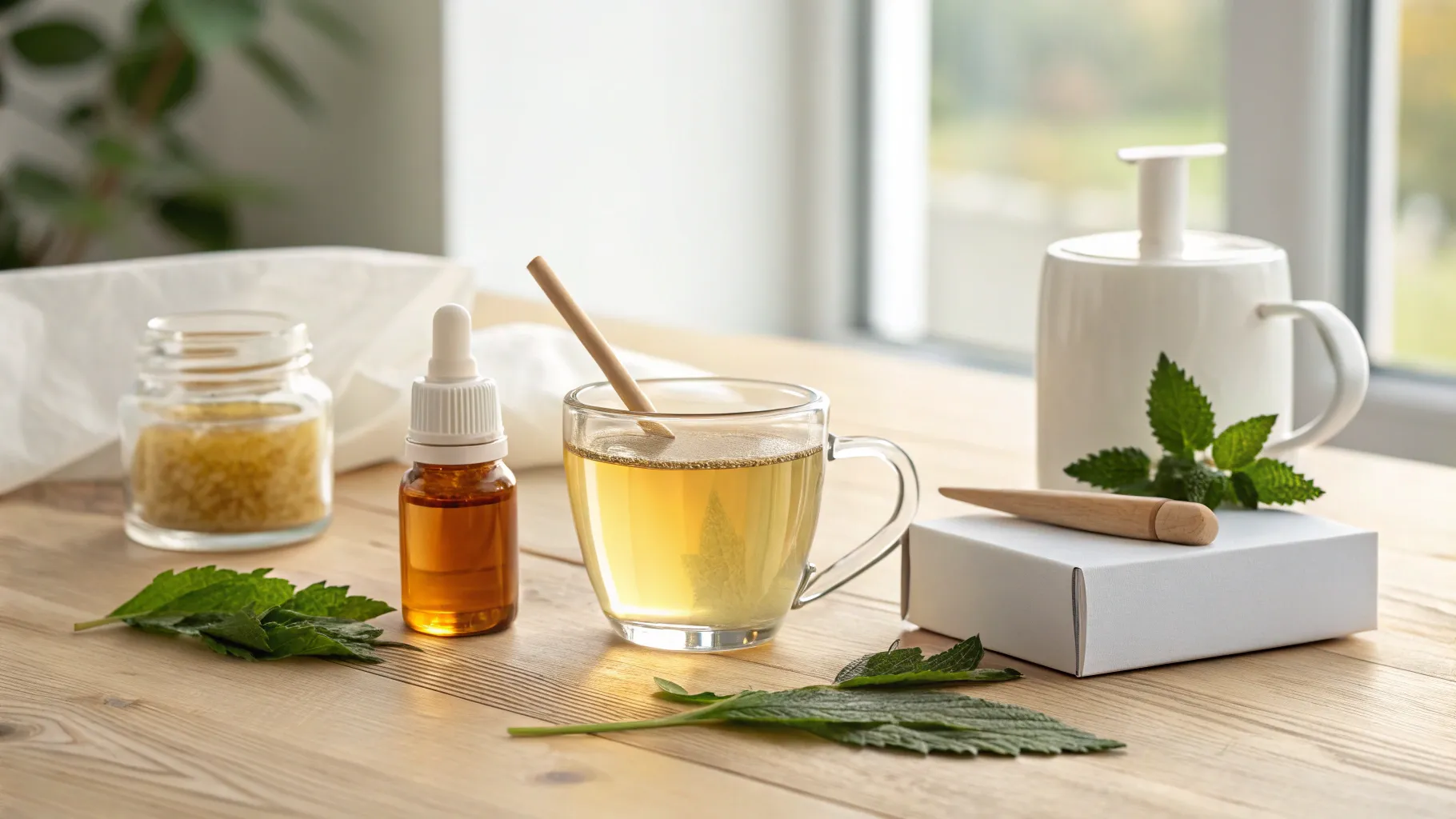
For those who prefer a more holistic approach, several natural remedies for allergies have shown promise in alleviating symptoms. These methods often have fewer side effects than traditional medications and can be easily incorporated into your daily routine. Many people find that a combination of these approaches provides the most significant relief from their allergy symptoms.
Saline Nasal Irrigation
One of the most effective and simplest remedies for allergies is nasal rinsing. Using a saline solution with a neti pot or squeeze bottle helps to flush out allergens and mucus from your nasal passages. This process can relieve congestion, post-nasal drip, and sinus pressure by clearing the irritants that trigger your symptoms. Regular use during peak allergy season can prevent the buildup of allergens and reduce inflammation in the sinus cavities.
Local Honey and Bee Pollen
The theory behind consuming local honey is similar to how allergy shots work. By introducing a small amount of local pollen into your system, your body may gradually build a tolerance to it. While scientific evidence is mixed, many people swear by this sweet remedy. It's important to use raw, local honey, as this is the type that will contain the specific pollens from your area. It is one of the most discussed natural remedies for allergies.
Quercetin-Rich Foods
Quercetin is a natural plant flavonoid that acts as a potent antioxidant and antihistamine. It helps stabilize mast cells, preventing them from releasing histamine, the chemical responsible for allergic symptoms like sneezing and itching. Foods rich in quercetin include onions, apples, berries, broccoli, and green tea. Incorporating these foods into your diet can be a great long-term strategy among the many remedies for allergies.
Comparing Over-the-Counter (OTC) Allergy Medications
When natural remedies aren't enough, the pharmacy aisle offers a plethora of over-the-counter options. The most common category is antihistamines, which block the histamine your body releases during an allergic reaction. Non-drowsy options like cetirizine, loratadine, and fexofenadine are popular choices for daytime relief. Decongestants, available as pills or nasal sprays, help shrink swollen nasal tissues to relieve stuffiness but should typically be used for short periods. For more severe symptoms, nasal corticosteroid sprays are highly effective at reducing inflammation in the nasal passages. These sprays are often considered a first-line treatment and are some of the most recommended medical remedies for allergies by healthcare professionals.
Actionable Lifestyle Changes for Allergy Prevention
Managing allergies effectively often involves more than just treatment; it requires proactive lifestyle adjustments to minimize your exposure to triggers. These changes can be some of the most powerful remedies for allergies as they tackle the problem at its source.
- Monitor Pollen Counts: Check local weather reports for daily pollen and mold counts. On high-count days, try to stay indoors as much as possible, especially during peak hours in the morning.
- Create an Allergen-Free Zone: Keep windows in your home and car closed during allergy season. Use a high-efficiency particulate air (HEPA) filter in your HVAC system and consider a portable air purifier for the bedroom.
- Practice Good Hygiene: After spending time outdoors, change your clothes and take a shower to wash pollen off your skin and hair. This prevents you from tracking allergens into your home and onto your furniture.
- Regularly Clean Your Home: Vacuum floors with a HEPA-filter-equipped vacuum cleaner at least once a week. Wash bedding in hot water to kill dust mites and remove pet dander.
When to See an Allergist
While many people can manage their symptoms with self-care and OTC products, there are times when professional medical help is necessary. If your symptoms are severe, persist year-round, or if OTC remedies for allergies do not provide adequate relief, it may be time to consult an allergist. An allergist can perform tests to identify your specific triggers and may recommend prescription medications, such as stronger nasal sprays or leukotriene inhibitors. For long-term relief from severe allergies, they might suggest immunotherapy (allergy shots or under-the-tongue tablets), which can help your body build a lasting tolerance to allergens.
Frequently Asked Questions
Can lifestyle changes really work as remedies for allergies?
Absolutely. Minimizing your exposure to allergens is a fundamental part of allergy management. By keeping windows closed, using air purifiers, and cleaning regularly, you reduce the overall allergen load on your system, which can significantly decrease the severity and frequency of your symptoms.
How quickly do natural remedies for allergies start working?
The onset of action varies. A saline nasal rinse can provide immediate relief from congestion. However, remedies like consuming local honey or increasing quercetin intake are more of a long-term strategy and may take several weeks of consistent use before you notice a significant difference in your allergy symptoms.
Are there any side effects to herbal remedies for allergies?
Yes, natural does not always mean safe for everyone. Some herbs, like butterbur, can have potential side effects or interact with other medications. It is crucial to consult with a healthcare provider before starting any new herbal supplement, especially if you are pregnant, nursing, or have a pre-existing medical condition.
References
- Journal of Allergy and Clinical Immunology
- National Center for Complementary and Integrative Health
- American Academy of Allergy, Asthma & Immunology
- World Allergy Organization Journal