
Effective Remedies for Irritable Bowel Syndrome (IBS): A Comprehensive Guide
Facts:
- IBS affects up to 15% of the global population.
- A trend in gut health is personalized nutrition for managing IBS symptoms.
Understanding the Path to IBS Relief
Irritable Bowel Syndrome (IBS) is a common disorder that affects the large intestine, causing symptoms like cramping, abdominal pain, bloating, gas, and diarrhea or constipation, or both. Finding effective remedies for irritable bowel syndrome is a personal journey, as what works for one person may not work for another. The key is a multi-faceted approach that often combines diet, lifestyle changes, and sometimes medication. This guide will explore the various remedies for irritable bowel syndrome to help you identify strategies that can provide lasting relief and improve your overall well-being.
Dietary Strategies: The Foundation of IBS Management
Diet is often the first line of defense when seeking remedies for irritable bowel syndrome. The food you eat can directly trigger symptoms. One of the most researched dietary approaches is the low-FODMAP diet. FODMAPs (fermentable oligosaccharides, disaccharides, monosaccharides, and polyols) are short-chain carbohydrates that are poorly absorbed in the small intestine. For people with IBS, they can cause gas, bloating, and pain. A low-FODMAP diet involves temporarily eliminating high-FODMAP foods and then systematically reintroducing them to identify personal triggers. Working with a dietitian is crucial for successfully implementing this diet. Another important dietary consideration is fiber. There are two types of fiber: soluble and insoluble. Soluble fiber, found in oats, psyllium, carrots, and apples, can help with diarrhea, while insoluble fiber, found in whole grains and nuts, can worsen symptoms for some. Increasing soluble fiber intake is often recommended as one of the key remedies for irritable bowel syndrome.
Lifestyle Modifications for Symptom Control
Beyond diet, certain lifestyle adjustments can serve as powerful remedies for irritable bowel syndrome. Stress is a major trigger for IBS flare-ups. The gut-brain axis is a well-established connection, meaning your emotional state can directly impact your digestive system. Therefore, incorporating stress management techniques is essential. Practices such as mindfulness meditation, yoga, deep breathing exercises, and cognitive-behavioral therapy (CBT) have shown significant benefits in reducing IBS symptom severity. Regular physical activity is another critical component. Exercise helps stimulate normal contractions of your intestines and can reduce stress. Aim for at least 30 minutes of moderate exercise, like brisk walking or cycling, most days of the week. Lastly, prioritizing sleep is non-negotiable. Poor sleep can exacerbate IBS symptoms. Establishing a regular sleep schedule and creating a relaxing bedtime routine are effective remedies for irritable bowel syndrome that support overall gut health.
Over-the-Counter and Medical Treatments
When diet and lifestyle changes are not enough, various medical treatments and over-the-counter options can be considered as remedies for irritable bowel syndrome. For constipation-predominant IBS (IBS-C), fiber supplements like psyllium or osmotic laxatives may be recommended. For diarrhea-predominant IBS (IBS-D), medications like loperamide can help control symptoms. Antispasmodics are another class of drugs that can help relieve abdominal cramping and pain. Probiotics, which are live bacteria and yeasts that are good for your digestive system, have also gained popularity. Certain strains have been shown to help balance gut bacteria and may improve symptoms of bloating and gas, making them a viable option among the many remedies for irritable bowel syndrome. It's vital to consult with a healthcare provider to determine the most appropriate medical treatment for your specific symptoms.
Exploring Natural and Alternative Therapies
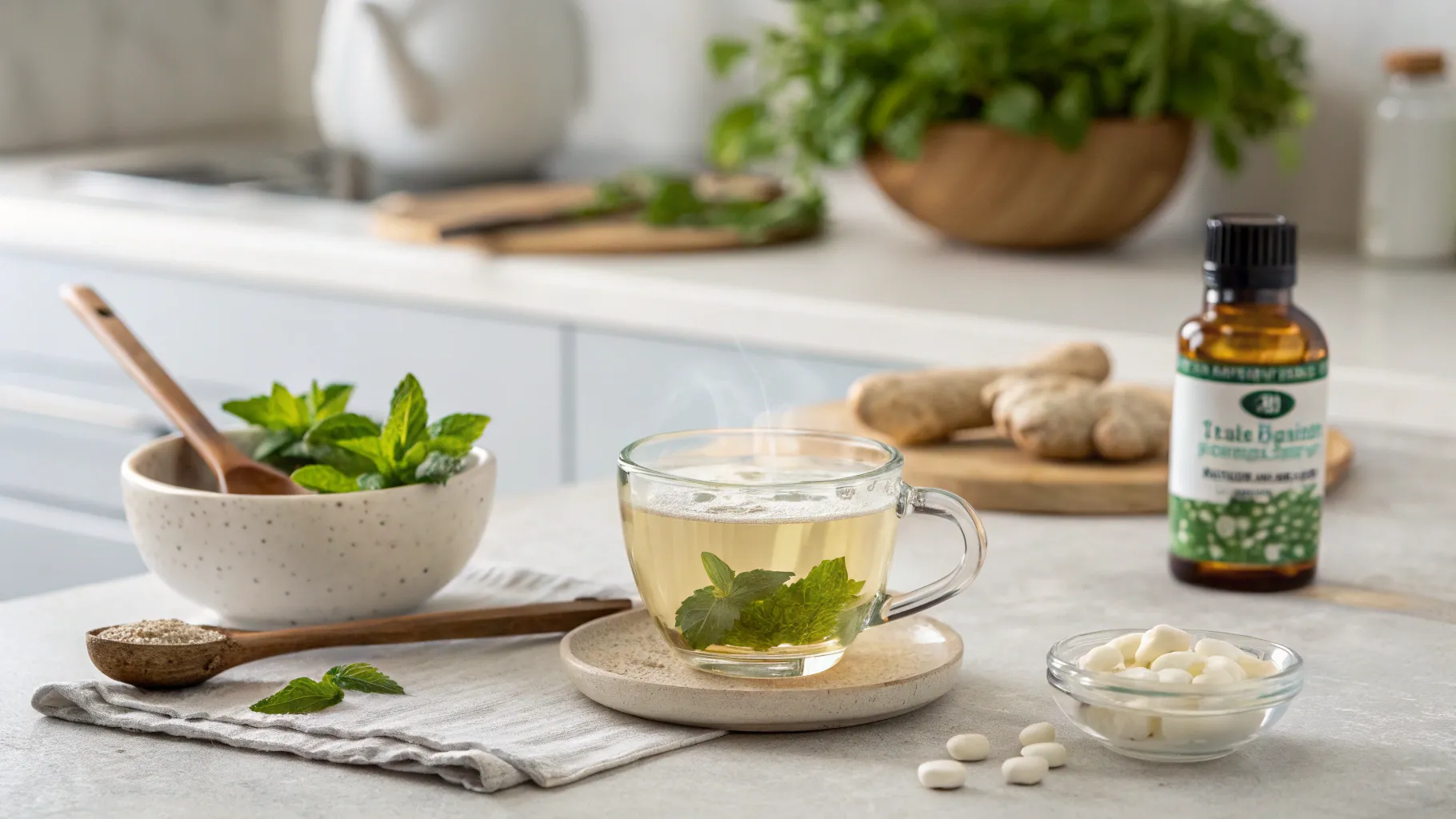
Many individuals seek natural or alternative remedies for irritable bowel syndrome to complement conventional treatments. Peppermint oil, particularly in enteric-coated capsules, is one of the most studied natural remedies. It acts as an antispasmodic, helping to relax the smooth muscles of the gut and reduce pain and bloating. Another promising area is gut-directed hypnotherapy, which has been shown to be highly effective in reducing IBS symptoms by addressing the gut-brain connection. Acupuncture is also explored by some, with anecdotal evidence suggesting it can help alleviate pain and regulate bowel function. While these therapies can be beneficial, it's important to approach them with caution and discuss them with your doctor to ensure they are safe and appropriate for you. Integrating these can be part of a holistic strategy for finding the best remedies for irritable bowel syndrome.
Actionable Steps to Manage Your IBS
Taking control of IBS involves proactive and consistent effort. Here is a list of actionable steps you can take to implement effective remedies for irritable bowel syndrome in your daily life:
- Keep a Symptom Diary: Track your food intake, stress levels, sleep patterns, and symptoms. This will help you and your doctor identify your personal triggers and find patterns that inform your management plan.
- Hydrate Intelligently: Drink plenty of water throughout the day. Avoid carbonated drinks and excessive caffeine or alcohol, as these can trigger symptoms. Proper hydration is a simple yet effective tool among remedies for irritable bowel syndrome.
- Eat Mindfully: Take your time when eating. Chew your food thoroughly and avoid eating large meals. Smaller, more frequent meals can be easier on your digestive system and help prevent bloating and discomfort.
- Consult a Professional: Work with a gastroenterologist and a registered dietitian who specialize in digestive health. They can provide personalized advice and ensure you are using safe and effective remedies for irritable bowel syndrome.
Frequently Asked Questions
What are the most effective first-line remedies for irritable bowel syndrome?
The most effective first-line remedies for irritable bowel syndrome typically involve dietary and lifestyle modifications. Starting with a low-FODMAP diet under the guidance of a dietitian, increasing soluble fiber, managing stress through techniques like yoga or meditation, and engaging in regular physical exercise are foundational steps that bring relief to many individuals.
Can probiotics be considered reliable remedies for irritable bowel syndrome?
Probiotics can be beneficial remedies for irritable bowel syndrome for some people, particularly for symptoms like bloating and gas. However, their effectiveness varies depending on the specific strain and the individual's gut microbiome. It is recommended to try a specific probiotic for several weeks and monitor symptoms, preferably with guidance from a healthcare professional.
Are there any permanent remedies for irritable bowel syndrome?
Currently, there is no known permanent cure for IBS. However, it is a manageable condition. By identifying and avoiding triggers and consistently applying a combination of effective remedies for irritable bowel syndrome, many people can achieve long-term remission and significantly improve their quality of life.
References
- American College of Gastroenterology
- National Institute of Diabetes and Digestive and Kidney Diseases
- International Foundation for Gastrointestinal Disorders
- Monash University FODMAP Diet Resources