
Effective Remedies for Irritable Bowel Syndrome: Your Ultimate Guide
Facts:
- IBS affects up to 15% of the global population.
- Personalized dietary plans are a growing trend for managing IBS symptoms.
Navigating Relief: A Comprehensive Guide to IBS Remedies
Irritable Bowel Syndrome (IBS) is a common gastrointestinal disorder that can significantly impact one's quality of life, causing symptoms like cramping, abdominal pain, bloating, gas, diarrhea, and constipation. Finding effective remedies for irritable bowel syndrome is a personal journey, as triggers and effective treatments can vary widely from person to person. This guide explores a wide array of strategies, from dietary changes and lifestyle adjustments to medical interventions, providing a comprehensive overview of the best approaches to manage this challenging condition and help you find lasting relief.
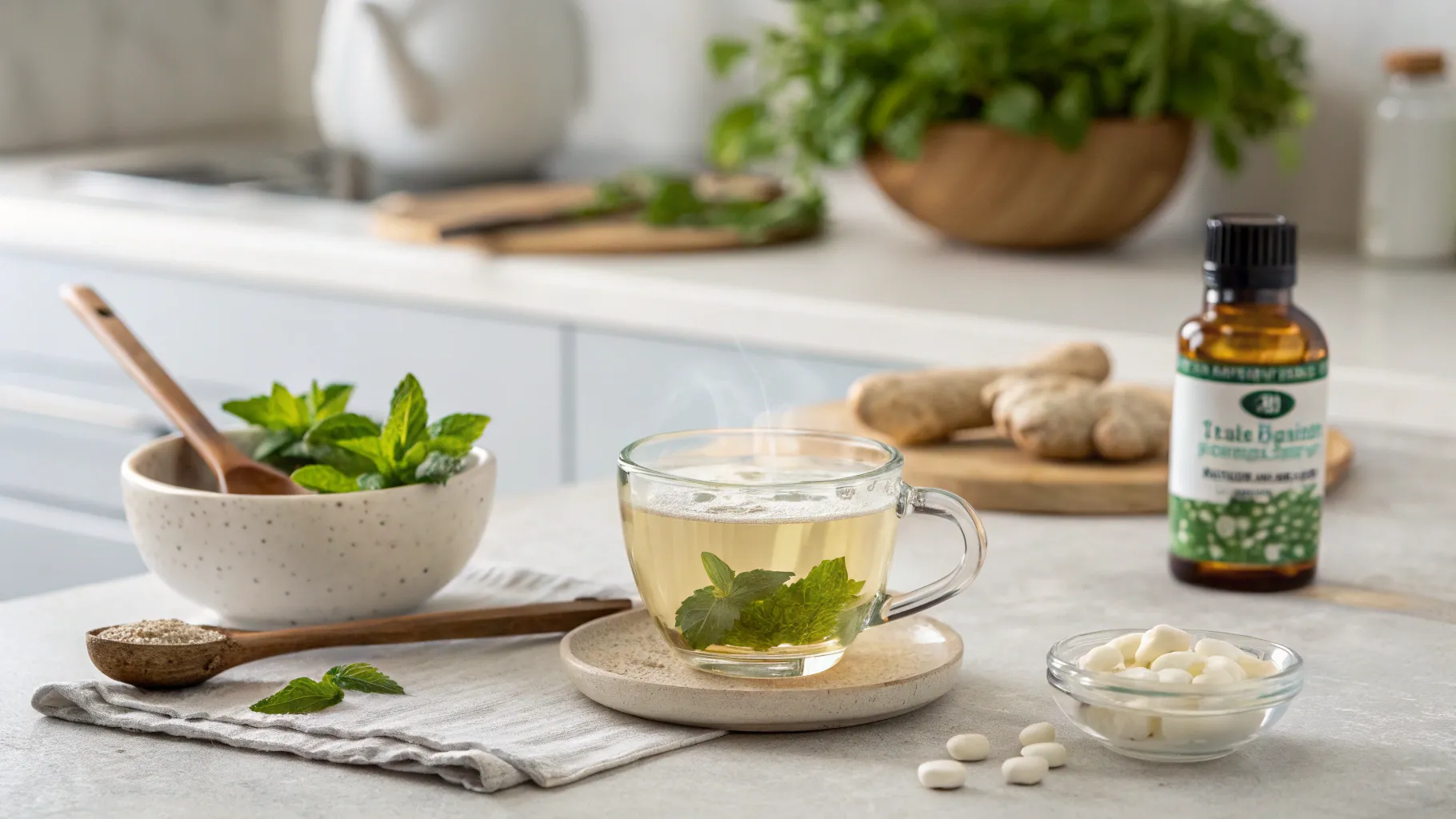
Key Dietary Remedies for Irritable Bowel Syndrome
For many individuals, diet is the cornerstone of managing IBS. What you eat can directly influence your symptoms, making dietary adjustments one of the most powerful remedies for irritable bowel syndrome. The goal is to identify and eliminate trigger foods while ensuring you maintain a balanced, nutritious diet. This often involves a process of elimination and careful reintroduction to pinpoint specific culprits.
The Low-FODMAP Diet
One of the most well-researched dietary remedies for irritable bowel syndrome is the low-FODMAP diet. FODMAPs (Fermentable Oligosaccharides, Disaccharides, Monosaccharides, and Polyols) are short-chain carbohydrates that are poorly absorbed in the small intestine. For people with IBS, they can cause gas, bloating, and pain. This diet involves temporarily restricting high-FODMAP foods like wheat, onions, garlic, certain fruits, and dairy products, and then systematically reintroducing them to identify personal triggers. It is highly recommended to undertake this diet under the guidance of a registered dietitian.
Increasing Soluble Fiber
While some types of fiber can worsen IBS symptoms, soluble fiber often helps. Soluble fiber dissolves in water to form a gel-like substance in the digestive tract, which can help regulate bowel movements. It can soften hard stools in constipation-predominant IBS (IBS-C) and add bulk to loose stools in diarrhea-predominant IBS (IBS-D). Good sources of soluble fiber include oats, psyllium husk, carrots, apples, and citrus fruits. It's crucial to increase fiber intake gradually and drink plenty of water to avoid exacerbating symptoms.
Peppermint Oil
Peppermint oil is a natural antispasmodic that can relax the smooth muscles of the colon, which helps to reduce abdominal pain and cramping. Enteric-coated capsules are recommended as they allow the oil to pass through the stomach and release in the intestines, where it is most needed. It is considered one of the more effective short-term remedies for irritable bowel syndrome, particularly for pain relief.
Lifestyle Changes as Effective Remedies for Irritable Bowel Syndrome
Beyond diet, daily habits and routines play a crucial role in managing IBS. The strong connection between the brain and the gut means that stress and lifestyle factors can directly trigger or worsen symptoms. Incorporating positive lifestyle changes can be highly effective remedies for irritable bowel syndrome.
- Stress Management: High levels of stress are a well-known trigger for IBS flare-ups. Techniques such as mindfulness meditation, yoga, deep breathing exercises, and cognitive-behavioral therapy (CBT) can help manage stress and, in turn, reduce the severity of gut symptoms.
- Regular Physical Activity: Exercise helps stimulate normal contractions of the intestines and can reduce stress. Low to moderate-intensity activities like walking, swimming, or cycling are generally recommended. Regular exercise can help alleviate bloating, constipation, and feelings of anxiety or depression associated with IBS.
- Adequate Sleep: Poor sleep quality can exacerbate IBS symptoms. Aiming for 7-9 hours of consistent, restful sleep per night can help regulate bodily functions, including digestion, and improve overall well-being. Establishing a regular sleep schedule is a simple yet powerful lifestyle adjustment.
Exploring Medical and Alternative Remedies for Irritable Bowel Syndrome
When diet and lifestyle changes are not enough, various medical and alternative treatments can provide relief. These options often target specific symptoms and should be discussed with a healthcare provider to determine the most appropriate course of action. These medical remedies for irritable bowel syndrome can range from over-the-counter solutions to prescription medications.
For constipation, doctors might recommend fiber supplements or laxatives. For diarrhea, medications like loperamide can be effective. Antispasmodics may be prescribed to help control colon muscle spasms and reduce abdominal pain. In some cases, low-dose antidepressants are used not for their mood-altering effects, but because they can inhibit the activity of neurons that control the intestines. Probiotics, which are beneficial bacteria, may also help restore balance to the gut microbiome, though their effectiveness can vary depending on the specific strain and the individual. It's important to explore these options carefully with a medical professional who understands the complexities of IBS.
When to Consult a Doctor for IBS Symptoms
While many remedies for irritable bowel syndrome can be managed at home, it is crucial to consult a healthcare professional for a proper diagnosis and to rule out other more serious conditions. You should see a doctor if your symptoms are severe, persistent, or if you experience any red-flag symptoms such as unexplained weight loss, rectal bleeding, iron deficiency anemia, or a family history of celiac disease or inflammatory bowel disease. A doctor can provide a personalized treatment plan and ensure you are using the safest and most effective remedies for irritable bowel syndrome for your specific situation.
Frequently Asked Questions
What are the best initial remedies for irritable bowel syndrome?
The best initial steps often involve dietary and lifestyle modifications. Starting a food diary to track meals and symptoms can help identify personal triggers. Simultaneously, incorporating stress management techniques like meditation and engaging in regular, gentle exercise can provide significant relief. Many find that these foundational remedies for irritable bowel syndrome make a substantial difference.
Can probiotics be effective remedies for irritable bowel syndrome?
Probiotics can be beneficial for some individuals with IBS by helping to balance the gut microbiota. However, effectiveness varies greatly depending on the specific strain of bacteria. Strains like Bifidobacterium infantis have shown promise in some studies. It's best to consult with a doctor or dietitian to choose a high-quality probiotic and determine if it's an appropriate option for you.
Are there any quick remedies for an irritable bowel syndrome flare-up?
During an acute flare-up, some people find relief with peppermint oil capsules for cramping, applying a heating pad to the abdomen to soothe pain, and sipping on calming teas like chamomile or ginger. It's also important to stick to simple, low-FODMAP foods and avoid any known triggers until the symptoms subside.
References
- National Institute of Diabetes and Digestive and Kidney Diseases (NIDDK)
- American College of Gastroenterology
- Monash University FODMAP Diet Research
- International Foundation for Gastrointestinal Disorders