Effective Remedies for Irritable Bowel Syndrome (IBS) Relief
Facts:
- IBS affects up to 15% of the global population.
- Growing trend in personalized diets as remedies for irritable bowel syndrome.
Navigating Your Path to IBS Relief
Irritable Bowel Syndrome (IBS) is a common functional gastrointestinal disorder that affects millions worldwide, causing symptoms like abdominal pain, bloating, gas, diarrhea, and constipation. Living with these unpredictable symptoms can be challenging, but there is hope. Finding effective remedies for irritable bowel syndrome is a personal journey, as what works for one person may not work for another. The key is a multi-faceted approach that often combines dietary adjustments, lifestyle changes, and targeted natural solutions. Understanding these options is the first step toward managing your symptoms and improving your quality of life. Many people find significant relief by exploring the various remedies for irritable bowel syndrome available today.
Dietary Strategies: The Foundation of IBS Management
Diet plays a pivotal role in managing IBS. What you eat can directly trigger or soothe your symptoms, making dietary changes one of the most powerful remedies for irritable bowel syndrome. One of the most well-researched dietary approaches is the low-FODMAP diet. FODMAPs (Fermentable Oligosaccharides, Disaccharides, Monosaccharides, and Polyols) are short-chain carbohydrates that are poorly absorbed in the small intestine. For people with IBS, they can ferment and cause significant gas, bloating, and pain. A low-FODMAP diet involves temporarily eliminating high-FODMAP foods and then systematically reintroducing them to identify personal triggers. Additionally, adjusting fiber intake is crucial. While soluble fiber, found in oats, psyllium, and carrots, can help with both diarrhea and constipation, insoluble fiber from whole grains and nuts might worsen symptoms for some. Keeping a food diary is an invaluable tool to track how specific foods impact your symptoms, helping you tailor your own effective remedies for irritable bowel syndrome.
Lifestyle Adjustments for Symptom Control
Beyond diet, certain lifestyle modifications are essential remedies for irritable bowel syndrome. Stress is a major trigger for IBS flare-ups due to the strong gut-brain connection. Therefore, incorporating stress management techniques into your daily routine can make a significant difference. Practices like mindfulness meditation, yoga, deep-breathing exercises, and cognitive-behavioral therapy (CBT) have been shown to reduce symptom severity. Regular physical activity is another cornerstone of IBS management. Low to moderate-intensity exercise, such as walking, swimming, or cycling, can help regulate bowel movements, reduce stress, and alleviate bloating. It's also vital to prioritize adequate sleep, as poor sleep can exacerbate gut sensitivity. Establishing a consistent sleep schedule and creating a relaxing bedtime routine are important components of the overall remedies for irritable bowel syndrome.
Natural Supplements and Over-the-Counter Aids
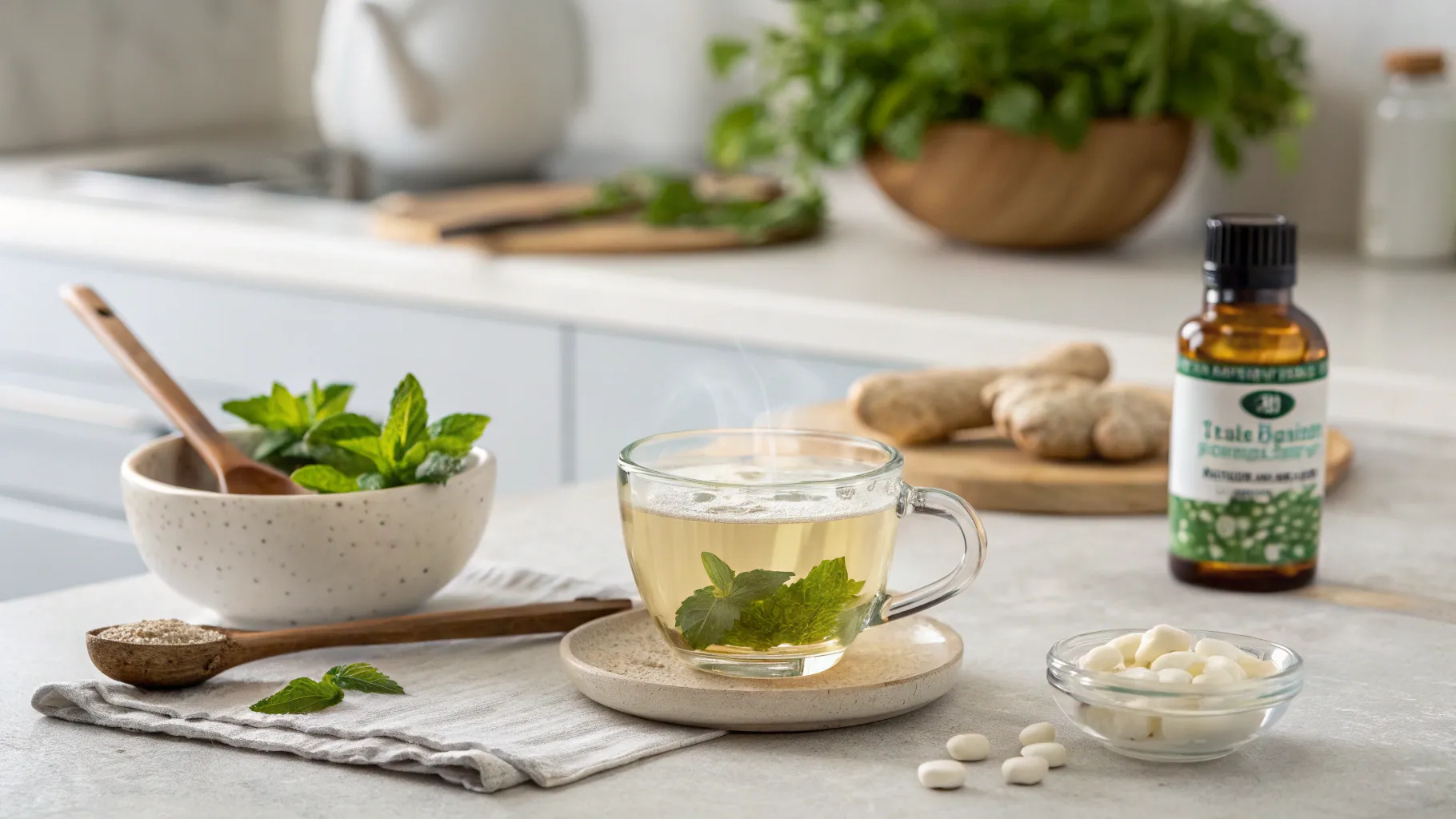
Many individuals turn to natural supplements and over-the-counter products as part of their strategy. Peppermint oil, in enteric-coated capsules, is one of the most studied natural remedies for irritable bowel syndrome. Its antispasmodic properties help relax the intestinal muscles, reducing pain and cramping. Probiotics, the 'good' bacteria, can also be beneficial by helping to restore a healthy balance to the gut microbiome. Different strains may have different effects, so it might take some experimentation to find a probiotic that works for you. Other potential aids include ginger, which can help with nausea, and chamomile tea, known for its calming effects on the digestive system. While these options can be very helpful, it is always recommended to discuss any new supplements with a healthcare provider to ensure they are safe and appropriate for your specific situation.
Actionable Steps for Managing Your IBS
Taking control of IBS involves proactive and consistent effort. Here are some practical remedies for irritable bowel syndrome that you can start implementing today:
- Start a Detailed Food and Symptom Journal: Track everything you eat, your stress levels, and your symptoms. This data is crucial for identifying your personal triggers and finding patterns that you and your doctor can use to create a management plan.
- Adopt the Low-FODMAP Diet Methodically: Work with a registered dietitian if possible. Properly follow the elimination phase for 2-6 weeks before beginning the systematic reintroduction phase. This isn't a forever diet, but a tool for discovery.
- Schedule Daily Stress Reduction Time: Dedicate at least 15-20 minutes each day to a stress-reducing activity. This could be meditation using an app, gentle yoga, or simply quiet time in nature. Consistency is key to calming the gut-brain axis.
- Incorporate Gentle, Regular Exercise: Aim for 30 minutes of moderate activity, like a brisk walk, most days of the week. Avoid overly strenuous exercise during a flare-up, as it can sometimes worsen symptoms.
When to Consult a Healthcare Professional
While self-management is a huge part of controlling IBS, professional medical advice is indispensable. It is crucial to get a formal diagnosis from a doctor to rule out other more serious conditions like celiac disease or inflammatory bowel disease (IBD). A doctor or a registered dietitian can provide personalized guidance on the best remedies for irritable bowel syndrome for your specific subtype (IBS-D, IBS-C, or IBS-M). They can also recommend prescription medications if diet and lifestyle changes are not sufficient. These may include antispasmodics, laxatives, anti-diarrheals, or even low-dose antidepressants that can help regulate gut-brain signals. Never hesitate to seek medical help, especially if you experience severe symptoms, unexplained weight loss, or blood in your stool. Partnering with a professional is one of the most effective remedies for irritable bowel syndrome.
Frequently Asked Questions
What are the most effective first-line remedies for irritable bowel syndrome?
The most effective first-line remedies for irritable bowel syndrome typically involve dietary and lifestyle changes. Many people find significant relief by starting a low-FODMAP diet under the guidance of a dietitian to identify food triggers. Simultaneously, incorporating stress management techniques and regular, gentle exercise is highly recommended.
Can probiotics be considered reliable remedies for irritable bowel syndrome?
Probiotics can be very helpful for some individuals with IBS, but their effectiveness varies. They work by improving the health of the gut microbiome. Certain strains, like Bifidobacterium infantis, have shown promise in clinical studies. It's often a process of trial and error to find a probiotic supplement that alleviates your specific symptoms.
Are there any quick remedies for irritable bowel syndrome during a flare-up?
During a flare-up, some people find relief with peppermint oil capsules, which can help soothe intestinal spasms. Applying a heated pad to the abdomen can also ease cramping. Drinking calming teas like chamomile or ginger may help settle the stomach. It's also important to return to 'safe' foods that you know do not trigger your symptoms.
References
- The American College of Gastroenterology
- The International Foundation for Gastrointestinal Disorders
- Clinical Practice Guidelines for Irritable Bowel Syndrome
- Monash University FODMAP Diet Resources