Effective Remedies for Skin Inflammation: A Comprehensive Guide
Facts:
- Skin inflammation is the body's natural immune response.
- Natural ingredients are a growing trend for soothing irritated skin.
Understanding and Calming Inflamed Skin
Skin inflammation manifests as redness, swelling, heat, and discomfort, signaling that your body's immune system is fighting against irritants, allergens, or infections. Finding effective remedies for skin inflammation is crucial for restoring comfort and maintaining the health of your skin's protective barrier. Whether the cause is an underlying condition like eczema or psoriasis, an allergic reaction, or simple irritation, a multi-faceted approach combining topical treatments, dietary changes, and lifestyle adjustments often yields the best results. This guide explores a wide array of options to help you manage and soothe your skin effectively.
Top Natural Remedies for Skin Inflammation
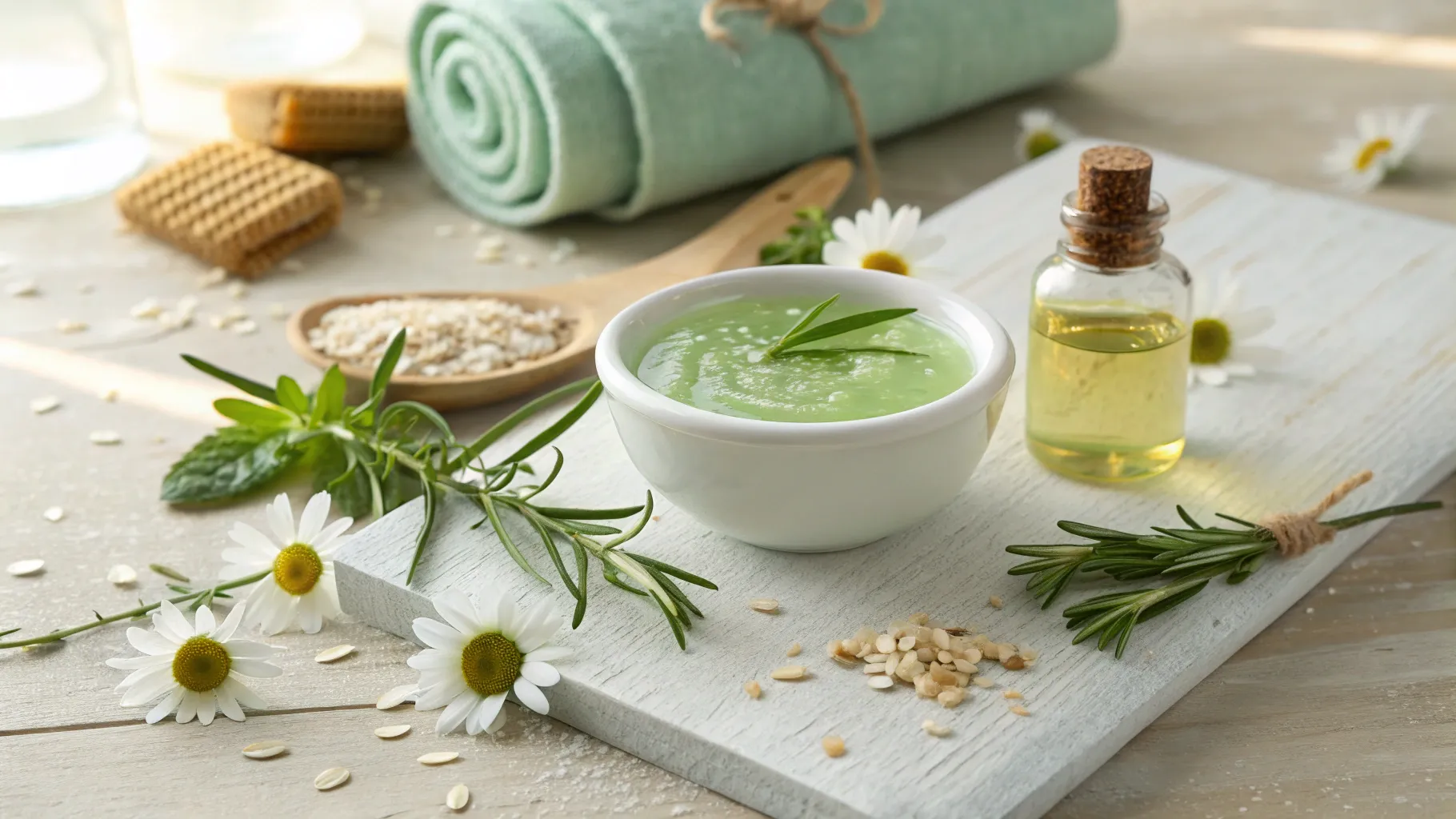
Nature offers a wealth of ingredients that can provide significant relief from skin inflammation. These plant-based solutions are often gentle yet powerful, making them excellent first-line remedies for skin inflammation for those who prefer a holistic approach. Many of these have been used for centuries in traditional medicine and are now backed by modern scientific research.
1. Aloe Vera: The Soothing Gel
Well-known for its cooling properties, aloe vera gel is a fantastic remedy for inflamed skin. It contains compounds like acemannan that have anti-inflammatory and hydrating effects. Applying pure aloe vera gel directly to the affected area can reduce redness, pain, and swelling. It is particularly effective for sunburns but also helps with other forms of irritation. Ensure you are using 100% pure aloe vera gel without added alcohol or fragrances, which can further irritate the skin.
2. Colloidal Oatmeal: The Protective Barrier
An oatmeal bath is a classic home remedy for itchy, inflamed skin. Colloidal oatmeal, which is finely ground oats, dissolves in water and creates a milky barrier over the skin. This barrier helps to lock in moisture and protect the skin from irritants. It contains avenanthramides, antioxidants that are known to reduce inflammation and itching, making it one of the most trusted remedies for skin inflammation, especially for conditions like eczema and chickenpox.
3. Chamomile: The Calming Herb
Chamomile is celebrated for its calming effects, both internally as a tea and topically on the skin. It contains flavonoids and essential oils that possess significant anti-inflammatory properties. You can use cooled chamomile tea as a compress to apply to inflamed areas. This can help soothe redness and irritation, making it a gentle yet effective choice for sensitive skin. Some creams and lotions also incorporate chamomile extract for its skin-calming benefits.
4. Tea Tree Oil: The Antiseptic Solution
Derived from the leaves of the Melaleuca alternifolia tree, tea tree oil is a potent antiseptic and anti-inflammatory agent. It can be particularly useful for inflammation caused by acne or minor skin infections. However, it is very strong and must be diluted with a carrier oil like coconut or jojoba oil before application to avoid causing more irritation. It's one of the more potent natural remedies for skin inflammation but requires careful use.
Dietary Adjustments as Remedies for Skin Inflammation
What you eat can have a direct impact on the levels of inflammation throughout your body, including your skin. An anti-inflammatory diet is one of the most powerful long-term remedies for skin inflammation. This involves focusing on whole, nutrient-dense foods rich in antioxidants and omega-3 fatty acids, such as fatty fish (salmon, mackerel), leafy greens (spinach, kale), berries, and nuts. Conversely, it's wise to limit or avoid pro-inflammatory foods like processed sugars, refined carbohydrates, and unhealthy trans fats, which can trigger or worsen skin flare-ups.
Lifestyle Changes to Support Skin Health
Beyond topical treatments and diet, certain lifestyle modifications can significantly aid in managing skin inflammation. Adopting these habits supports your skin's overall health and resilience.
- Stress Management: Chronic stress elevates cortisol levels, a hormone that can drive inflammation. Incorporating stress-reduction techniques like meditation, yoga, or deep breathing exercises can be surprisingly effective remedies for skin inflammation.
- Gentle Skincare Routine: Avoid harsh soaps, cleansers, and exfoliants that can strip the skin's natural oils and compromise its barrier function. Opt for fragrance-free, hypoallergenic products and moisturize daily to keep the skin hydrated and protected.
- Identify and Avoid Triggers: Pay close attention to what causes your skin to flare up. Common triggers include certain fabrics (like wool), detergents, fragrances, and environmental factors like extreme temperatures or low humidity. Keeping a journal can help you pinpoint and avoid your personal triggers.
Over-the-Counter vs. Prescription Options
When natural remedies aren't enough, medical treatments are available. Over-the-counter (OTC) hydrocortisone creams can temporarily relieve mild itching and inflammation. They work by calming the immune response in the skin. For more severe or persistent conditions, a dermatologist may prescribe stronger topical steroids, calcineurin inhibitors, or even oral medications. These prescription remedies for skin inflammation are highly effective but require medical supervision due to potential side effects. It's essential to discuss the benefits and risks with your doctor to determine the best course of action for your specific condition.
When to See a Dermatologist
While many cases of skin inflammation can be managed at home, it's important to seek professional medical advice if your symptoms are severe, persistent, or worsening. If your skin is oozing, crusting, or you have signs of an infection like increased pain or fever, consult a dermatologist immediately. A professional can provide an accurate diagnosis and prescribe more targeted and powerful remedies for skin inflammation to prevent complications and provide lasting relief.
Frequently Asked Questions
What are the fastest remedies for skin inflammation?
For quick relief, applying a cold compress to the affected area can help reduce swelling and numb the discomfort. Over-the-counter 1% hydrocortisone cream can also work quickly to reduce mild inflammation and itching. For natural options, pure aloe vera gel can provide immediate cooling and soothing effects.
Can stress cause skin inflammation?
Yes, absolutely. Stress triggers the release of hormones like cortisol, which can lead to an overproduction of oil and an inflammatory response in the skin. This can worsen conditions like acne, eczema, and psoriasis. Managing stress is a key component of a holistic approach to finding remedies for skin inflammation.
Are home remedies for skin inflammation always safe?
While many home remedies are safe, they are not without risks. For example, essential oils like tea tree oil must be properly diluted to avoid chemical burns. It's also possible to have an allergic reaction to a natural ingredient. It is always recommended to perform a patch test on a small area of skin before applying any new remedy widely.
References
- National Eczema Association: Understanding Inflammation
- Journal of Clinical and Aesthetic Dermatology: The Role of Diet in Dermatologic Conditions
- American Academy of Dermatology: Skin Care for Eczema
- Indian Journal of Dermatology: Herbal Treatment for Dermatological Disorders