
The Ultimate Guide to Safe Exercises for Seniors in 2025
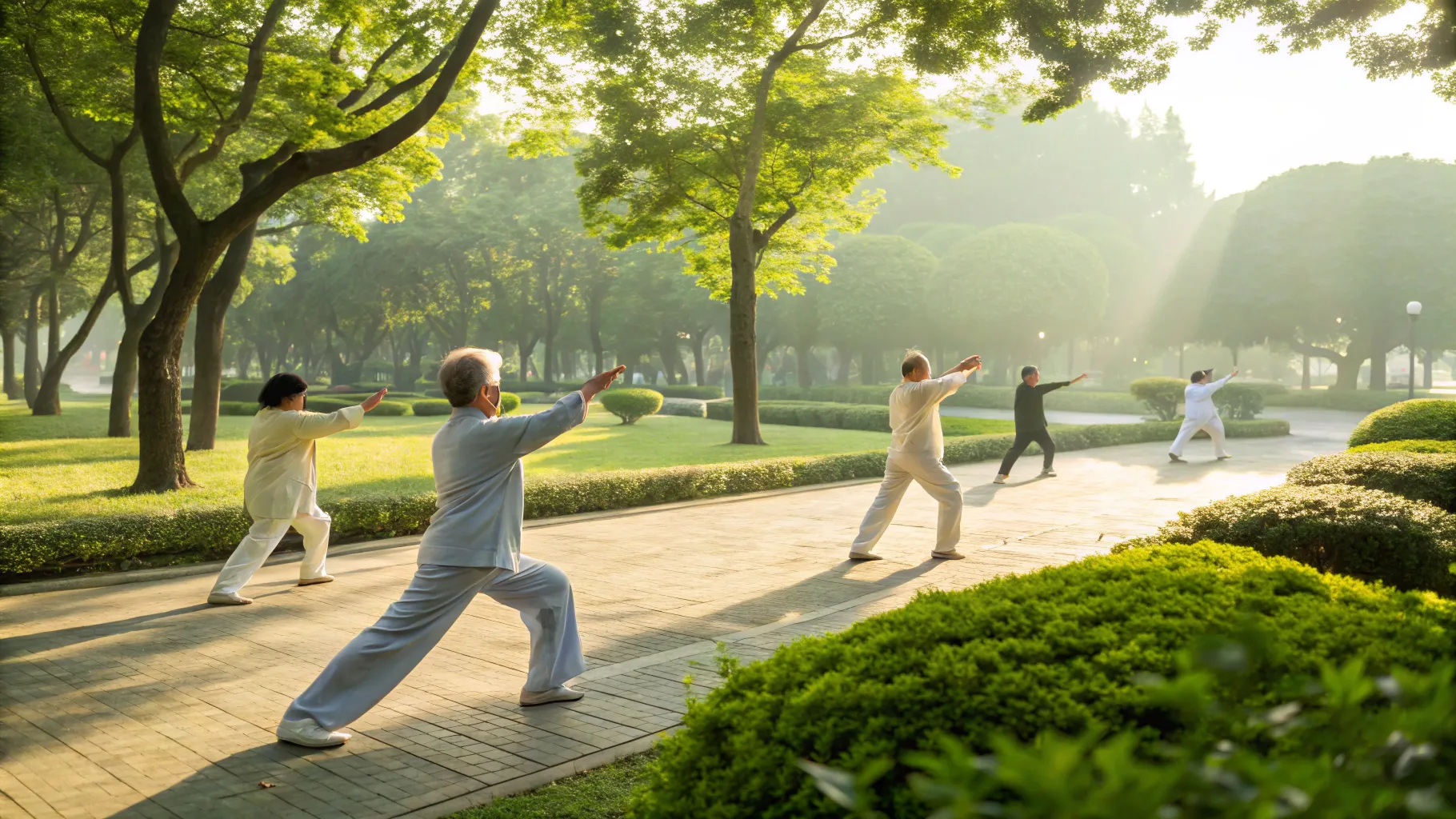
As we navigate through December 2025, maintaining an active lifestyle is more important than ever, especially for older adults. Engaging in regular physical activity is a cornerstone of healthy aging, helping to preserve independence, boost energy levels, and manage chronic conditions. This guide is dedicated to exploring a variety of safe exercises for seniors, designed to be effective, enjoyable, and gentle on the body.
Why Are Safe Exercises for Seniors So Important?
Before diving into specific routines, it's crucial to understand the benefits. Consistent, safe exercise helps seniors improve cardiovascular health, increase muscle mass, enhance cognitive function, and significantly reduce the risk of falls. A well-rounded fitness plan can also improve mood and provide a wonderful opportunity for social engagement. The key is to choose activities that match your current fitness level and health status.
Low-Impact Cardiovascular Activities
Cardio exercise is vital for heart health, and thankfully, there are many low-impact options that are perfect for seniors. These activities raise your heart rate without putting excessive strain on your joints. Here are some excellent choices:
- Walking: A simple yet powerful exercise. Aim for 30 minutes most days of the week, whether outdoors or on a treadmill.
- Swimming and Water Aerobics: Water provides natural resistance while supporting your body, making it one of the most joint-friendly exercises available.
- Stationary Cycling: Riding a stationary bike allows you to build endurance in a safe, controlled indoor environment.
Strength Training for Muscle and Bone Health
Maintaining strength is essential for performing daily tasks and protecting against osteoporosis. You don't need to lift heavy weights to see results. These safe exercises for seniors focus on building functional strength.
- Chair Squats: Stand in front of a sturdy chair and lower yourself as if you're about to sit down, then stand back up. This builds leg and core strength.
- Wall Push-ups: Stand facing a wall, place your hands on it, and perform a push-up motion. This is a great way to strengthen the upper body without getting on the floor.
- Resistance Bands: These are versatile, inexpensive tools for adding light resistance to exercises that target your arms, legs, and back.
Improving Flexibility and Balance
Flexibility and balance are your best defenses against falls. These exercises are designed to improve stability and keep your muscles pliable.
- Tai Chi: This ancient Chinese martial art involves slow, flowing movements that are excellent for improving balance and reducing stress.
- Yoga: Look for gentle or senior-specific yoga classes that focus on slow stretches, balance poses, and mindful breathing.
- Stretching: Simple daily stretches, like hamstring and calf stretches, can make a huge difference in your range of motion and reduce stiffness.
Tips for a Safe and Successful Fitness Journey
To get the most out of your routine while staying safe, keep these tips in mind:
- Consult Your Doctor: Before starting any new exercise program, it's always wise to speak with your healthcare provider.
- Warm-Up and Cool-Down: Always begin with 5 minutes of light activity, like marching in place, and end with 5 minutes of gentle stretching.
- Listen to Your Body: Never push through pain. It's okay to take a day off if you're not feeling well. Consistency is more important than intensity.
- Stay Hydrated: Drink plenty of water before, during, and after your workout.
References:
www.nia.nih.gov/health/exercise-and-physical-activity
www.cdc.gov/physicalactivity/basics/older_adults/index.htm
www.mayoclinic.org/healthy-lifestyle/fitness/in-depth/exercise-for-seniors/art-20047550