A Parent's Guide to Scoliosis Early Symptoms: How to Spot the Signs
Facts:
- Scoliosis affects approximately 2-3% of adolescents worldwide.
- Early detection is the most critical factor for successful non-surgical treatment.
Decoding the First Signs: How to Recognize Early Symptoms of Scoliosis
Identifying the scoliosis early symptoms is paramount for timely intervention and management. Many parents and individuals overlook the initial signs, assuming they are normal growth variations or simply poor posture. However, learning to recognize early symptoms of scoliosis can make a significant difference in treatment outcomes and prevent the curve from progressing. This guide will provide a detailed overview of the most common indicators, helping you understand what to look for, how to perform simple at-home checks, and when it is crucial to seek a professional medical opinion. Being proactive is key to managing this condition effectively.
Visual and Postural Clues: What to Look For
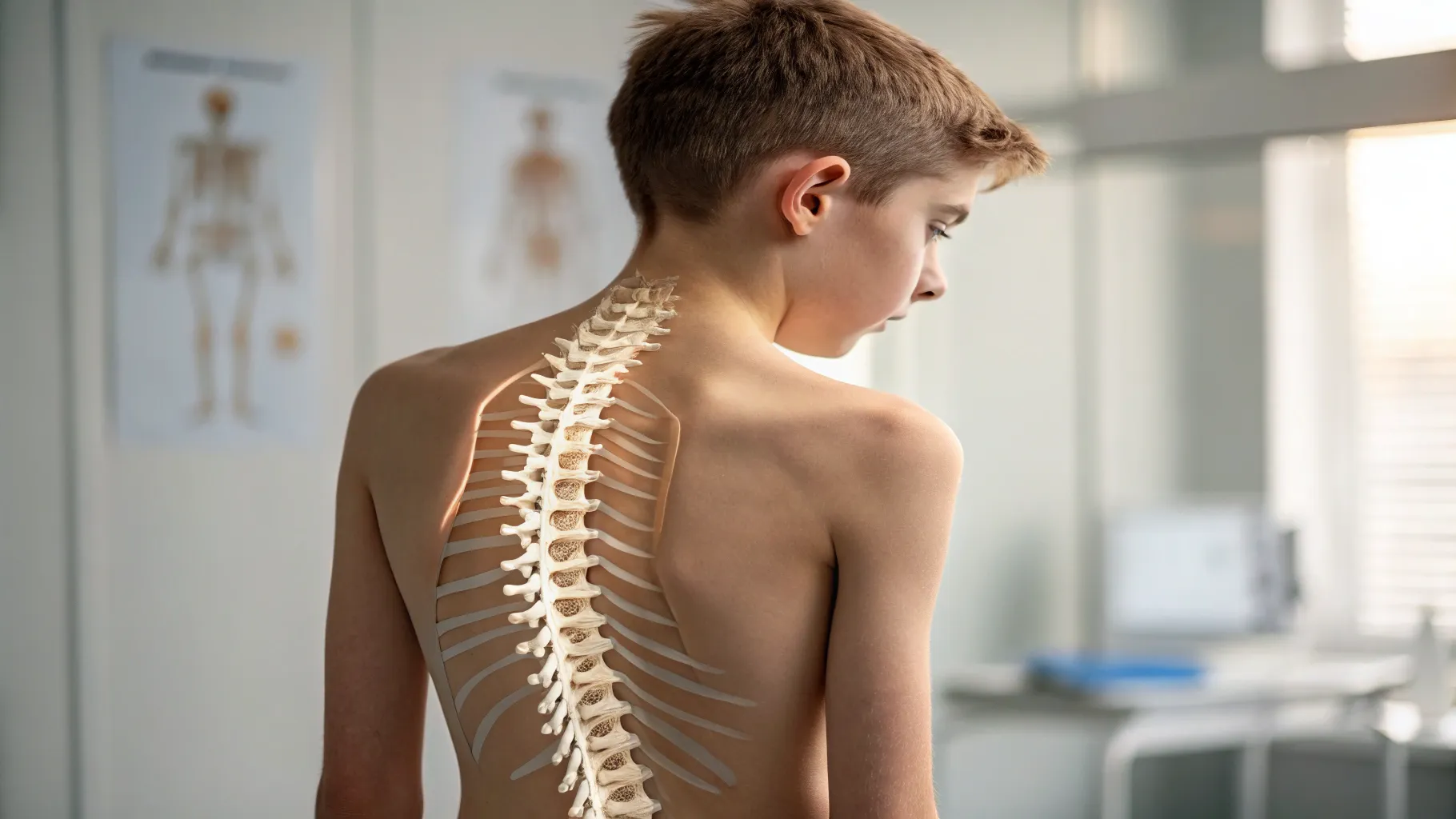
The most common scoliosis early symptoms are visual and relate to the body's symmetry. These signs are often subtle and may become more apparent when a child is wearing swimwear or form-fitting clothing. It's important to observe your child's posture from the back, both standing straight and while bending over. Being able to recognize early symptoms of scoliosis often starts with noticing these physical asymmetries.
Uneven Shoulders or Hips
One of the most classic signs is a noticeable asymmetry in the shoulder or hip height. One shoulder may appear consistently higher than the other, or one hip may stick out more. This can also cause clothes to hang unevenly, with shirt necklines or hemlines appearing tilted. This is a primary indicator among the various scoliosis early symptoms.
Prominent Shoulder Blade or Rib Cage
As the spine rotates, it can push the rib cage on one side of the back outwards. This results in one shoulder blade appearing more prominent or a 'rib hump' that is more visible when the person bends forward. This asymmetry is a key sign for anyone trying to recognize early symptoms of scoliosis.
Asymmetrical Waist
Another sign is an uneven waistline. You might notice a more defined curve or crease on one side of the waist compared to the other. The space between the arm and the body might also look different on each side when standing straight. Paying attention to these subtle changes is crucial for spotting scoliosis early symptoms.
The Adams Forward Bend Test: A Simple Home Screening
The Adams Forward Bend Test is a simple screening method used by pediatricians and in schools to check for spinal abnormalities. While it is not a diagnostic tool, it is highly effective at revealing the asymmetries that are common scoliosis early symptoms. To perform the test, have your child stand with their feet together, knees straight, and bend forward at the waist as if trying to touch their toes. Let their arms hang freely. From this position, observe their back for any signs of imbalance. Look for a prominence or hump on one side of the rib cage, an unevenness in the lower back, or one side of the back appearing higher than the other. This test makes it much easier to recognize early symptoms of scoliosis that might not be visible when standing upright.
Beyond the Visuals: Other Potential Early Symptoms
While most scoliosis early symptoms are physical and visual, there are other, less common indicators that can sometimes appear. Although significant back pain is not typically an early symptom in adolescents, some may experience mild discomfort, muscle fatigue, or stiffness after prolonged sitting or standing. In more pronounced cases, changes in gait or coordination might be observed. It is important to remember that the absence of pain does not mean that a curve is not present or progressing. The primary focus for early detection should always be on the postural changes, as these are the most reliable indicators to help you recognize early symptoms of scoliosis.
When to Consult a Doctor: Taking the Next Step
If you observe any of the potential scoliosis early symptoms, it is essential to schedule an appointment with a pediatrician or an orthopedic specialist. Early diagnosis and monitoring are crucial for effective management. A medical professional can confirm a diagnosis, typically with a physical examination and an X-ray to measure the severity of the curve (known as the Cobb angle). Do not panic, but do take action.
- Prepare for the Appointment: Make a list of the specific signs you've noticed and when you first saw them. Note any family history of scoliosis.
- Diagnosis is Key: A doctor will perform a thorough examination and may order imaging tests. This is the only way to confirm the presence and degree of scoliosis.
- Discuss Treatment Options: For mild curves, the most common approach is observation. For moderate or progressing curves, bracing may be recommended. Surgery is typically reserved for severe cases.
Frequently Asked Questions
Can you prevent scoliosis?
Most cases of scoliosis, particularly Adolescent Idiopathic Scoliosis, cannot be prevented as the exact cause is unknown. However, early detection and treatment are the best ways to prevent the curve from becoming more severe.
At what age do scoliosis early symptoms typically appear?
The scoliosis early symptoms most commonly appear during the growth spurt just before puberty, typically between the ages of 10 and 15. This is why regular screenings during annual check-ups are important during these years.
Is back pain one of the primary scoliosis early symptoms?
While adults with scoliosis may experience chronic back pain, it is not a common symptom for adolescents with idiopathic scoliosis. The primary signs are physical asymmetries. If a child with a suspected curve is experiencing significant pain, a doctor should evaluate them to rule out other causes.
References
- Scoliosis Research Society
- American Academy of Orthopaedic Surgeons
- National Institute of Arthritis and Musculoskeletal and Skin Diseases
- Mayo Clinic - Patient Care & Health Information