
Seattle to Tokyo Cruise 2026: The Ultimate Transpacific Guide
Facts:
- The Great Circle route from Seattle to Tokyo covers approximately 4,790 nautical miles.
- A renewed interest in slow travel is increasing demand for long distance cruise itineraries.
Charting Your Course: The Epic Seattle to Tokyo Cruise in 2026
Embarking on a Seattle to Tokyo cruise in 2026 is more than just a vacation; it's a grand expedition across the world's largest ocean. This journey offers a unique blend of serene sea days, cultural immersion, and the sheer adventure of a transpacific crossing. Proper preparation is key to fully enjoying this incredible experience, from understanding the various pacific crossing cruise routes to knowing what to pack. This guide delves into the essential details, helping you navigate everything from the initial booking stages to your arrival in the vibrant heart of Japan. A journey of this magnitude requires careful thought regarding planning extended cruises, ensuring every detail is considered for a seamless and memorable adventure.
Exploring Premier Pacific Crossing Cruise Routes
Choosing your path across the Pacific is one of the most exciting aspects of planning. The pacific crossing cruise routes from Seattle to Tokyo are not monolithic; they offer diverse experiences. The most common is the Great Circle Route, which arches northward towards the Aleutian Islands, often including breathtaking stops in Alaska or even Russia's Kamchatka Peninsula. This route is favored for its shorter distance and unique, less-trafficked ports. Alternatively, some long distance cruise itineraries may take a more southerly path, stopping in Hawaii before making the long haul to Japan. Each route presents different scenery, weather patterns, and onboard experiences. Researching these options is a critical part of planning extended cruises, as your choice will define the character of your voyage. The route also heavily influences the cruise duration seattle to asia, with more stops naturally extending the trip.
A Glimpse into Life Aboard: What to Expect on Transpacific Cruises
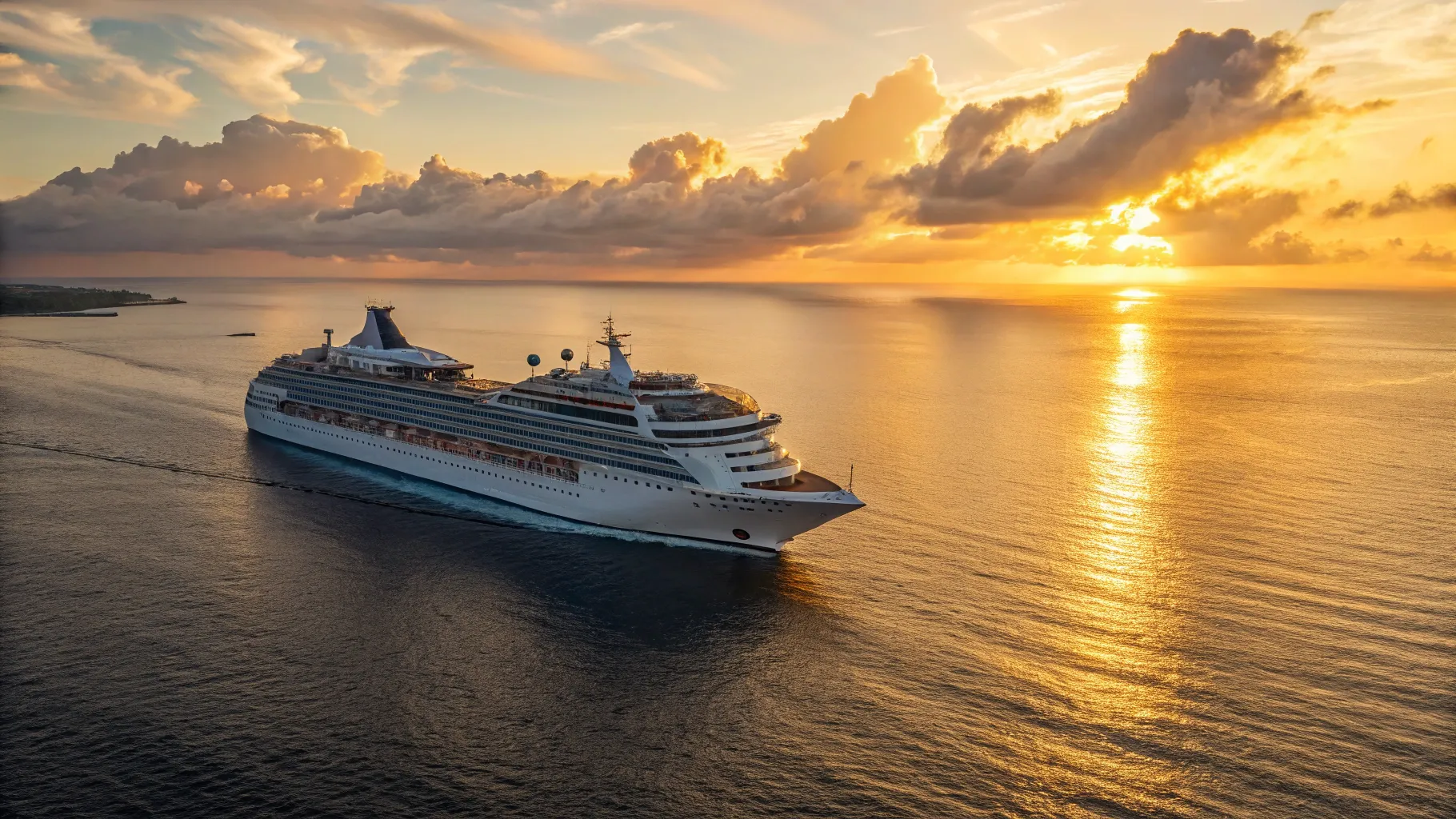
Understanding what to expect on transpacific cruises is crucial for setting the right expectations. Unlike port-intensive Caribbean or Mediterranean cruises, this journey features a significant number of consecutive sea days. This is an opportunity to fully immerse yourself in the ship's amenities, from specialty dining and spa treatments to enrichment lectures and workshops focused on Japanese culture, history, or celestial navigation. Life aboard settles into a relaxing rhythm, punctuated by the subtle shifts of crossing multiple time zones. You'll witness stunning sunrises and sunsets over an uninterrupted ocean horizon. It is also important to consider the onboard atmosphere; these longer voyages often attract seasoned travelers who share a passion for exploration. Knowing what to expect on transpacific cruises helps you pack appropriately and mentally prepare for the unique, unhurried pace of a long-distance ocean crossing.
Mastering Logistics: A Guide to Planning Extended Cruises
Successful execution of a grand voyage lies in the details. The process of planning extended cruises goes far beyond simply booking a cabin. It involves a comprehensive strategy to ensure comfort, safety, and enjoyment throughout the journey. Effective seasonal cruise scheduling is the first step, as spring and autumn crossings offer the most favorable weather conditions, avoiding the harsh Pacific winters and summer typhoon season. From there, your focus should shift to the practicalities of a multi-week trip. We've compiled essential advice to help you prepare for your Seattle to Tokyo adventure.
- Itinerary Deep Dive: Go beyond the port names. Research the shore excursions available, the time spent in each location, and the number of consecutive sea days. Understanding the flow of your specific itinerary is vital for managing your energy and budget.
- Strategic Packing: Your packing list must account for diverse climates. You'll need layers for the cool, windy conditions of the North Pacific, as well as appropriate attire for warmer days and your arrival in Japan. Don't forget formal wear for gala nights, comfortable sea day attire, and any necessary medications for the entire trip duration.
- Budget for Onboard Life: While your cruise fare covers the basics, sea-day-heavy itineraries can lead to higher onboard spending. Budget for specialty dining, drinks packages, laundry services, and internet access, which can be costly at sea. Pre-booking packages can often save money.
- Embrace the Disconnect: While ships offer satellite internet, it can be slow and expensive. Part of the experience is disconnecting. Download movies, books, and podcasts before you leave. Inform family and friends about your limited connectivity to manage their expectations.
Frequently Asked Questions
What is the typical cruise duration seattle to asia?
The cruise duration seattle to asia, specifically to Tokyo, generally ranges from 14 to 22 days. The exact length depends on the specific cruise line and the chosen itinerary. Direct routes are faster, while those with stops in Alaska, Russia, or other ports will naturally be longer, extending the overall travel time.
How does seasonal cruise scheduling impact the Seattle to Tokyo cruise?
Seasonal cruise scheduling is critical for transpacific voyages. Most cruise lines schedule these repositioning cruises during the spring (typically April-May) and fall (September-October). This timing avoids the harsh North Pacific winter storms and the Pacific typhoon season in late summer, ensuring a safer and more comfortable passage for passengers.
What are some key tips for planning extended cruises like this one?
When planning extended cruises, it's essential to focus on details. Pack strategically with layers for varying climates, budget carefully for onboard expenses over many sea days, research and book shore excursions in advance, and arrange for any necessary travel visas for port stops. Also, prepare for significant time zone changes and limited internet connectivity at sea.
References
- Cruise Lines International Association (CLIA) Annual Reports
- National Oceanic and Atmospheric Administration (NOAA) Pacific Weather Charts
- Guide to Long-Haul Cruising by Condé Nast Traveler
- Maritime History of the Pacific Crossing