
Second Hand Lawn Mower: Your Ultimate Guide & What to Check Before Buying
Facts:
- The used outdoor equipment market grows 5% annually.
- A key trend for 2025 is DIY enthusiasts seeking easily repairable models.
Why a Second Hand Lawn Mower Can Be a Smart Purchase
Opting for a second hand lawn mower is an excellent way to acquire high-quality equipment without the hefty price tag of a brand-new model. However, navigating this market requires diligence and knowledge to avoid costly mistakes. This guide provides essential buying used lawn equipment tips to ensure your purchase is a sound investment, not a source of future headaches. We will delve into everything from initial inspection to final price negotiation, focusing on practical advice that empowers you to make an informed decision. Understanding the nuances between different types of used mowers and knowing the key failure points can save you hundreds of dollars in the long run.
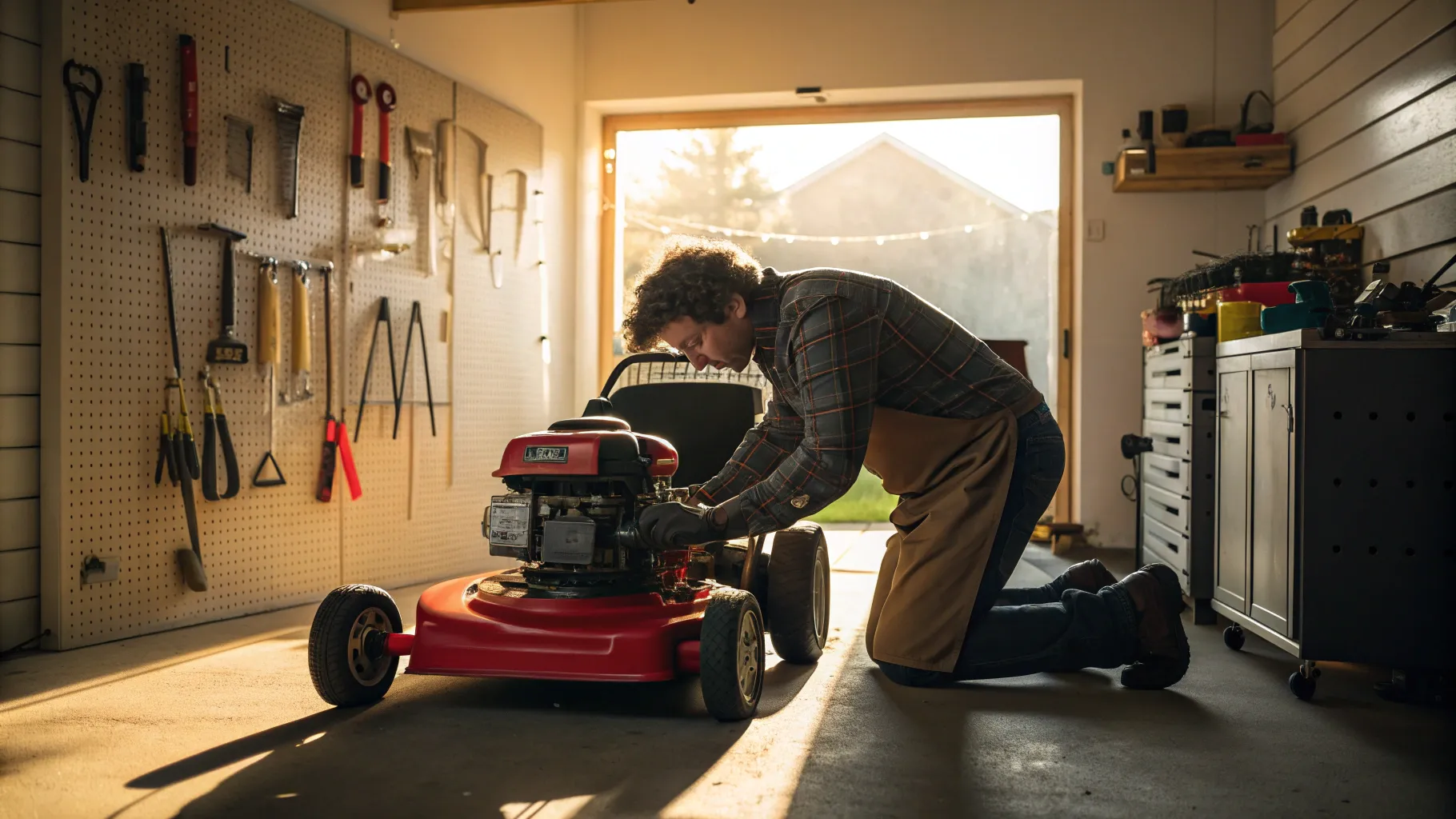
The Ultimate Inspection: What to Check Before Buying Used Mower
Before you even think about money, a thorough inspection is non-negotiable. This is the most critical step. Knowing what to check before buying used mower will protect you from purchasing a machine that needs expensive repairs. Start with the overall condition. Look for signs of heavy wear, rust, or damage to the frame and mower deck. A little rust might be cosmetic, but deep corrosion, especially on the deck, is a major red flag. Check the engine for oil leaks around gaskets and seals. Pull the dipstick; the oil should be a honey color, not black, gritty, or milky, which could indicate water contamination. Test all levers, cables, and safety features to ensure they function correctly. Don't forget to examine the blades for significant chips or bends, and check the tires for cracks and proper inflation. A comprehensive check is your best defense against a bad deal.
Decoding Value: A Used Lawn Mower Pricing Guide
Determining a fair price can be tricky. A reliable used lawn mower pricing guide isn't a single chart, but a method of evaluation. The final price depends on several key factors: brand reputation (e.g., John Deere, Honda, Toro often retain more value), age, hours of use (if it has an hour meter), overall condition, and engine type. Research what similar models are selling for in your local area on platforms like Facebook Marketplace or Craigslist. A mower from a reputable dealer might cost more but often comes with a service history or a short warranty. A private sale is cheaper but carries more risk. Always start your negotiation lower than the asking price, using any issues you found during your inspection (like worn belts or dull blades) as leverage to justify your offer. Remember that 'as-is' means all problems become yours the moment money changes hands.
Refurbished Lawn Mower vs Used: Understanding the Key Differences
The terms 'used' and 'refurbished' are often used interchangeably, but they mean very different things. When considering a refurbished lawn mower vs used, it's crucial to know what you're getting. A 'used' mower is typically sold as-is by a private owner or a dealer with no work done on it. You are buying the machine with all its existing faults. In contrast, a 'refurbished' mower has been inspected, serviced, and repaired by a technician. This process usually includes an oil change, new spark plug, air filter cleaning or replacement, and blade sharpening. While a refurbished model will cost more than a standard used one, it offers peace of mind and reduces the immediate risk of breakdown. Always ask for a list of the specific services performed on a refurbished machine before committing.
Spotting Trouble: Common Problems with Used Lawn Mowers
Awareness is your best tool for avoiding a lemon. There are several common problems with used lawn mowers that you should specifically look for. Engine issues are the most significant. Watch for blue or white smoke from the exhaust when it starts; this can signal serious internal engine wear. Difficulty starting could be a simple fix like a spark plug or a more complex carburetor problem. For riding mowers, test the transmission thoroughly. It should engage smoothly into forward and reverse without lurching or making grinding noises. A weak or slipping transmission is one of the most expensive repairs. Also, listen for excessive vibration or rattling sounds, which could indicate a bent crankshaft, a loose engine mount, or a damaged blade spindle—all potentially costly fixes.
Your Go-To List: Where to Buy Second Hand Lawn Equipment
Knowing where to buy second hand lawn equipment can significantly impact the quality and price of your purchase. Each option has its pros and cons, so consider which best suits your needs.
- Local Equipment Dealers: Often the safest bet. They may have trade-ins that have been serviced by their technicians. You'll pay a premium, but you often get a 30- or 90-day warranty, which is invaluable.
- Online Marketplaces (Facebook, Craigslist): This is where you'll find the best bargains, but it also carries the highest risk. You must be confident in your ability to thoroughly inspect the mower yourself. Always meet in a safe, public place.
- Estate Sales and Auctions: You can find some hidden gems here, often from homeowners who took great care of their equipment. The downside is that you usually can't test the mower under load (i.e., cutting grass).
- Rental Store Fleet Sales: Stores that rent equipment periodically sell off their older models. These machines have high hours but are typically well-maintained according to a strict schedule.
Frequently Asked Questions
What are the best buying used lawn equipment tips for a first-timer?
For a first-time buyer, the most important tip is to never buy a mower without seeing it run. Ask the seller to start it from cold. A mower that starts easily when cold is usually a good sign. Bring a friend who knows about small engines if you can. And always remember: if a deal seems too good to be true, it probably is. Trust your instincts.
How does a used lawn mower pricing guide apply to private sales?
In private sales, a used lawn mower pricing guide is a starting point. Research online for the same make and model to establish a baseline price. Then, adjust that price based on the mower's actual condition that you've verified in person. Unlike a dealer, a private seller is often more flexible, so don't be afraid to negotiate respectfully based on any flaws you find.
What are the biggest red flags regarding common problems with used lawn mowers?
The biggest red flags are milky engine oil (indicating a blown head gasket), blue or white smoke from the exhaust (piston ring wear), grinding noises from the transmission on a riding mower, and significant rust-through on the mower deck. Any of these issues can lead to repairs that cost more than the mower itself. Walk away from any machine exhibiting these symptoms.
References
- Small Engine Repair & Maintenance Journal
- Outdoor Power Equipment Institute Reports
- Consumer Reports Used Equipment Buying Guide
- Home and Garden Maintenance Weekly