
A Comprehensive Guide to Senior Dental Health Problems and Solutions
Facts:
- Nearly 1 in 5 adults over 65 have untreated tooth decay.
- A key trend is seniors keeping their natural teeth longer than ever before.
Navigating Oral Health Challenges in Your Golden Years
As we age, maintaining good oral hygiene becomes more critical than ever for overall health and well-being. The mouth is a gateway to the body, and neglecting it can lead to a variety of systemic issues. Many older adults face unique oral health challenges, making it essential to understand the common Senior Dental Health Problems and how to manage them effectively. Proper care can prevent pain, maintain nutritional intake, and boost self-confidence, ensuring a higher quality of life during the senior years. Addressing these Senior Dental Health Problems proactively is a key component of healthy aging.
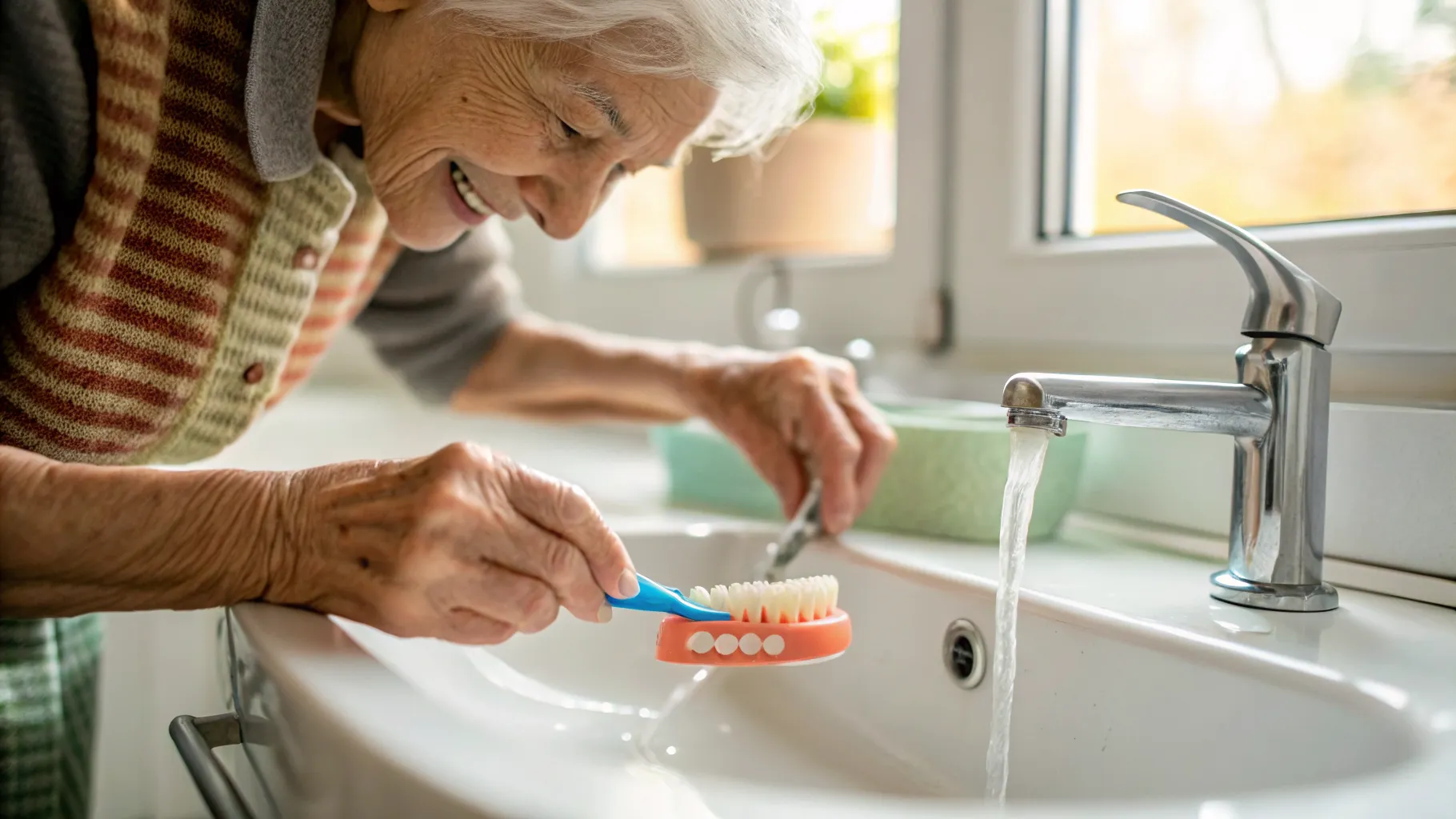
The Most Prevalent Senior Dental Health Problems
Understanding the specific issues that seniors face is the first step toward prevention and treatment. These conditions often develop gradually and can be influenced by a lifetime of wear and tear, medications, and other health conditions. Ignoring early symptoms can lead to more complex and difficult-to-treat Senior Dental Health Problems down the line.
Dry Mouth (Xerostomia)
Dry mouth is not a natural part of aging but is a common side effect of hundreds of medications prescribed for conditions prevalent in older adults, such as high blood pressure, depression, and allergies. Saliva is crucial for washing away food particles and neutralizing acids produced by plaque. Without adequate saliva, the risk of tooth decay and gum disease increases dramatically, making it a serious catalyst for other Senior Dental Health Problems.
Gum Disease (Periodontitis)
Gum disease is an infection of the tissues that hold your teeth in place. It's typically caused by poor brushing and flossing habits that allow plaque—a sticky film of bacteria—to build up on the teeth and harden. In its advanced stages, periodontitis can lead to sore, bleeding gums, painful chewing problems, and even tooth loss. The inflammation associated with this condition is also linked to other health issues like heart disease and diabetes, compounding the severity of these Senior Dental Health Problems.
Root Decay
As we get older, gums can recede, exposing the root surfaces of the teeth. These root surfaces are not covered by hard enamel and are much more susceptible to decay than the crowns of the teeth. This is a particularly common issue for older adults, especially those suffering from dry mouth, as the lack of saliva makes it easier for acids to attack the vulnerable root areas.
Tooth Loss
Gum disease and extensive decay are the leading causes of tooth loss in seniors. Losing teeth can profoundly affect an individual's ability to eat a nutritious diet, speak clearly, and feel confident in social situations. While solutions like dentures and dental implants are available, preventing tooth loss is always the primary goal in managing Senior Dental Health Problems.
Why Seniors Face Heightened Oral Health Risks
Several factors contribute to the increased prevalence of Senior Dental Health Problems. Chronic diseases such as diabetes, heart disease, and cancer can impact oral health. Furthermore, physical limitations, like arthritis, can make daily tasks such as brushing and flossing difficult and painful to perform effectively. Cognitive impairments can also lead to a decline in self-care routines. Financial constraints may also limit access to regular professional dental care, allowing minor issues to escalate into major Senior Dental Health Problems.
Actionable Strategies for Maintaining Senior Oral Health
Proactive care is the best defense against common oral health issues. By adopting a consistent and thorough routine, seniors can significantly reduce their risk of developing painful and costly problems. Here are some effective strategies:
- Meticulous Daily Hygiene: Brush at least twice a day with a fluoride toothpaste and a soft-bristled brush. Floss daily to remove plaque from between teeth and under the gumline. If manual dexterity is an issue, consider using an electric toothbrush or water flosser.
- Regular Dental Check-ups: Professional cleanings and exams are crucial for catching Senior Dental Health Problems early. Dentists can spot issues like decay or oral cancer before they become severe. It's generally recommended to have a check-up every six months.
- Manage Dry Mouth: Stay hydrated by sipping water throughout the day. Chew sugar-free gum or use over-the-counter oral moisturizers and artificial saliva products. Discuss medication side effects with your doctor.
- Maintain a Healthy Diet: Limit sugary snacks and drinks that contribute to tooth decay. A balanced diet rich in vitamins and minerals supports overall health, including the health of your teeth and gums.
Recognizing Warning Signs: When to Visit a Dentist
It's important to be vigilant and seek professional help if you notice any changes in your oral health. Don't dismiss discomfort as a normal part of aging. Contact your dentist immediately if you experience tooth pain, bleeding or swollen gums, loose teeth, sores in the mouth that don't heal, persistent bad breath, or difficulty chewing or swallowing. Early intervention is key to successfully treating Senior Dental Health Problems.
Frequently Asked Questions
How can seniors with arthritis effectively brush their teeth?
Seniors with arthritis can modify their toothbrushes by adding a larger grip, such as a tennis ball or bicycle handle grip, to make it easier to hold. An electric toothbrush is also an excellent option as it does most of the work, requiring less manual dexterity.
Are dentures an inevitable part of aging and senior dental health problems?
No, tooth loss is not an inevitable part of aging. With proper care, including regular brushing, flossing, and dental visits, many people can keep their natural teeth for their entire lives. Avoiding major Senior Dental Health Problems is the key to preserving your natural smile.
What is the connection between oral health and overall health in seniors?
The connection is significant. Bacteria from gum disease can enter the bloodstream and contribute to inflammation and other health conditions, including heart disease, stroke, and pneumonia. Good oral hygiene is a critical component of maintaining overall systemic health.
References
- American Dental Association (ADA) - Oral Health Topics
- National Institute on Aging (NIA) - Taking Care of Your Teeth and Mouth
- Centers for Disease Control and Prevention (CDC) - Older Adult Oral Health