
A Comprehensive Guide to Senior Hydration and Dehydration Risks
Facts:
- Dehydration is a top-10 diagnosis for senior hospitalizations.
- The sensation of thirst diminishes significantly as people age.
Why Preventing Dehydration in the Elderly is Non-Negotiable
As we age, our bodies undergo numerous physiological changes, making older adults uniquely vulnerable to health complications that younger individuals might not face. Among the most critical, yet often overlooked, are the Senior Hydration and Dehydration Risks. Proper hydration is fundamental to nearly every bodily function, from regulating temperature and lubricating joints to ensuring organ function and nutrient delivery. For seniors, a slight dip in fluid levels can trigger a cascade of serious health events. Understanding the nuances of hydration for this demographic is not just helpful; it is a vital component of proactive elder care and can significantly impact their quality of life, independence, and overall health outcomes. Ignoring these risks can lead to preventable hospital visits and a decline in well-being.
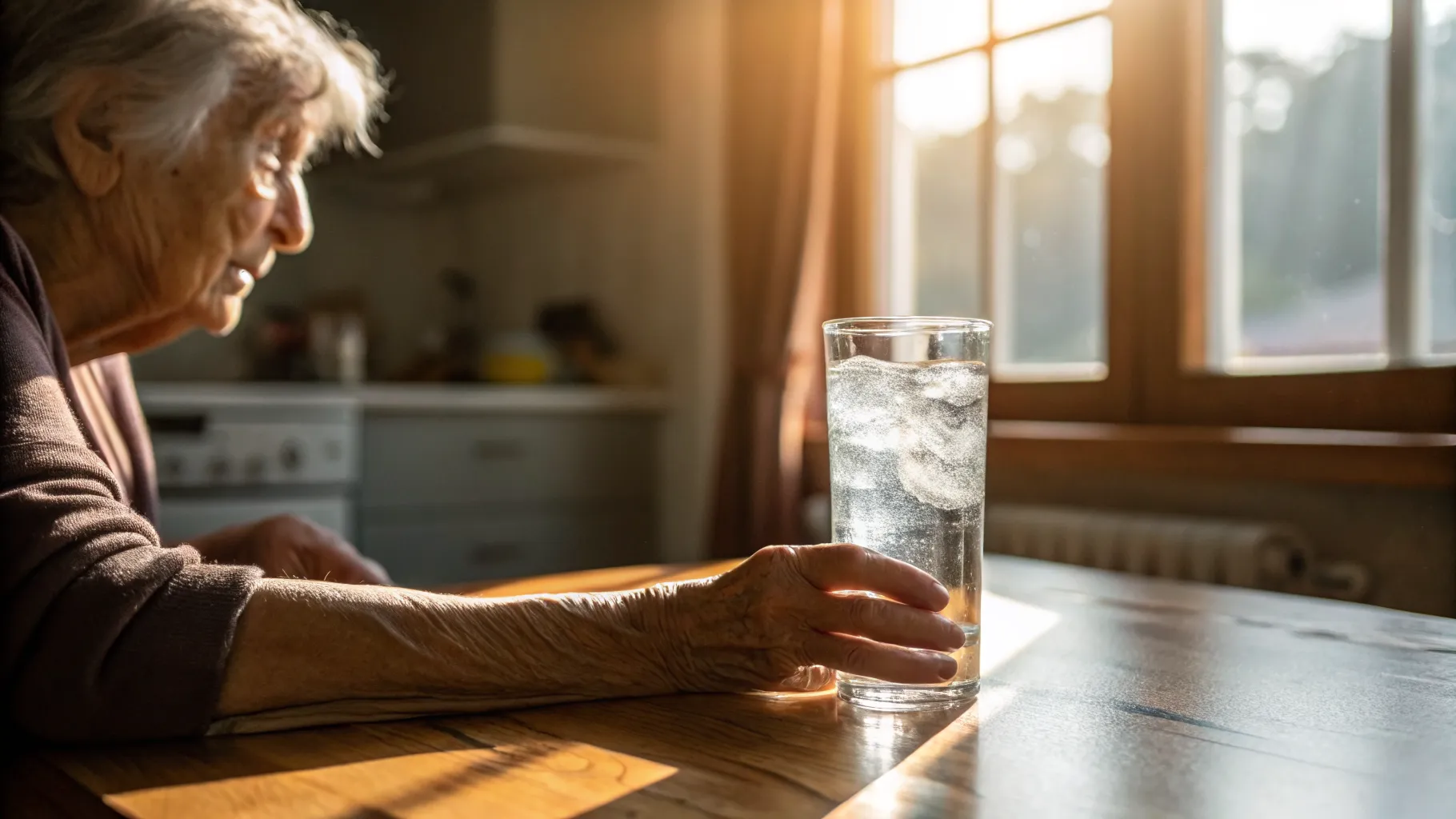
Recognizing the Warning Signs of Dehydration in Seniors
One of the primary challenges in managing Senior Hydration and Dehydration Risks is that the symptoms can be subtle and easily mistaken for other age-related conditions. Unlike younger people who might feel distinctly thirsty, seniors may not receive this crucial signal from their body. Therefore, caregivers and family members must be vigilant observers. Early detection is key to preventing severe complications. Pay close attention to changes in physical condition and cognitive function, as these are often the first indicators that fluid intake is insufficient.
- Cognitive Changes: Sudden confusion, increased irritability, or unexplained drowsiness can be a primary sign of an electrolyte imbalance caused by dehydration.
- Physical Symptoms: Look for a dry, sticky mouth, sunken eyes, and skin that does not bounce back quickly when pinched (poor skin turgor). Infrequent urination or dark, concentrated urine are also significant red flags.
- Functional Indicators: Dizziness, lightheadedness, or weakness can increase the risk of falls, a major hazard for the elderly. Other signs include headaches and muscle cramps.
The Root Causes of Dehydration in the Elderly
Several interconnected factors contribute to the heightened Senior Hydration and Dehydration Risks. It's rarely a single issue but rather a combination of physiological, medical, and practical challenges. A reduced thirst mechanism is a major physiological culprit; the body simply doesn't signal the need for water as effectively. Furthermore, kidney function declines with age, affecting the body's ability to conserve water. Medications are another significant factor; diuretics, often prescribed for blood pressure, increase urine output and fluid loss. Mobility issues can also play a practical role, making it physically difficult for a senior to get up and pour a glass of water. Sometimes, a fear of incontinence can lead seniors to consciously restrict their fluid intake, creating a dangerous cycle of dehydration.
The Severe Health Consequences of Inadequate Hydration
Failing to manage Senior Hydration and Dehydration Risks can lead to severe and life-threatening medical emergencies. Dehydration thickens the blood, forcing the cardiovascular system to work harder, and reduces the fluid volume necessary for organs to function properly. This strain can exacerbate existing conditions and create new ones.
- Kidney Problems: Chronic dehydration is a leading cause of urinary tract infections (UTIs) in seniors. It can also lead to the formation of painful kidney stones and, in severe cases, acute kidney failure.
- Electrolyte Imbalance: Water is crucial for maintaining the correct balance of electrolytes like sodium and potassium. An imbalance can cause seizures, confusion, and cardiac arrhythmias.
- Heat-Related Illness: Seniors are more susceptible to heat exhaustion and heatstroke because their bodies are less efficient at regulating temperature, a process heavily dependent on proper hydration.
- Increased Fall Risk: Dizziness and muscle weakness brought on by dehydration are major contributors to falls, which can result in fractures and a significant loss of independence for older adults.
Actionable Strategies to Promote Healthy Senior Hydration
Preventing dehydration is far more effective than treating it. Implementing proactive and consistent strategies can make a significant difference. The goal is to make drinking fluids an easy, regular, and appealing part of the daily routine. These strategies should be tailored to the individual's preferences, abilities, and medical condition.
- Establish a Routine: Don't wait for thirst. Encourage sipping fluids throughout the day. A schedule, such as a full glass of water with each meal and between meals, can be highly effective.
- Offer Variety: Water is best, but other fluids count too. Offer milk, diluted fruit juices, clear broths, and even decaffeinated tea. Hydrating foods like watermelon, cucumbers, oranges, and soups also contribute to total fluid intake.
- Ensure Accessibility: Keep a water bottle or pitcher within easy reach at all times, whether by their favorite chair or at their bedside. Use adaptive cups with lids and straws if holding a regular glass is difficult.
- Monitor and Encourage: Keep a gentle log of fluid intake to ensure goals are being met. Positive encouragement and making hydration a shared social activity can help motivate them.
- Address Underlying Barriers: If fear of incontinence is an issue, discuss management strategies with a doctor. If mobility is a problem, ensure caregivers are available to assist with getting drinks regularly.
Frequently Asked Questions
How can you quickly identify serious senior hydration and dehydration risks?
Key warning signs that require immediate attention include sudden and severe confusion, extreme lethargy, an inability to urinate, a rapid heart rate, or loss of consciousness. These symptoms may indicate severe dehydration, which is a medical emergency requiring professional intervention.
Are electrolyte drinks a good solution for dehydration in the elderly?
While electrolyte drinks can be beneficial in cases of significant fluid loss (e.g., from vomiting or diarrhea), they should be used with caution. Many are high in sugar and sodium, which can be problematic for seniors with conditions like diabetes or high blood pressure. It is best to consult a doctor before making them a regular part of a hydration plan.
What are the best hydrating foods to supplement fluid intake?
Incorporating water-rich foods is an excellent strategy. Some of the best options include watermelon, strawberries, cantaloupe, cucumbers, celery, bell peppers, and clear soups or broths. These not only provide hydration but also essential vitamins and minerals.
References
- National Institute on Aging - Hydration and Older Adults
- American Journal of Clinical Nutrition - Water, Hydration and Health
- The Gerontological Society of America - Dehydration in Older Adults: A Review
- Journal of Geriatric Nursing - Strategies for Preventing Dehydration in Institutionalized Elders