
Warning Signs of Hip Implant Failure: Symptoms & When to Seek Help
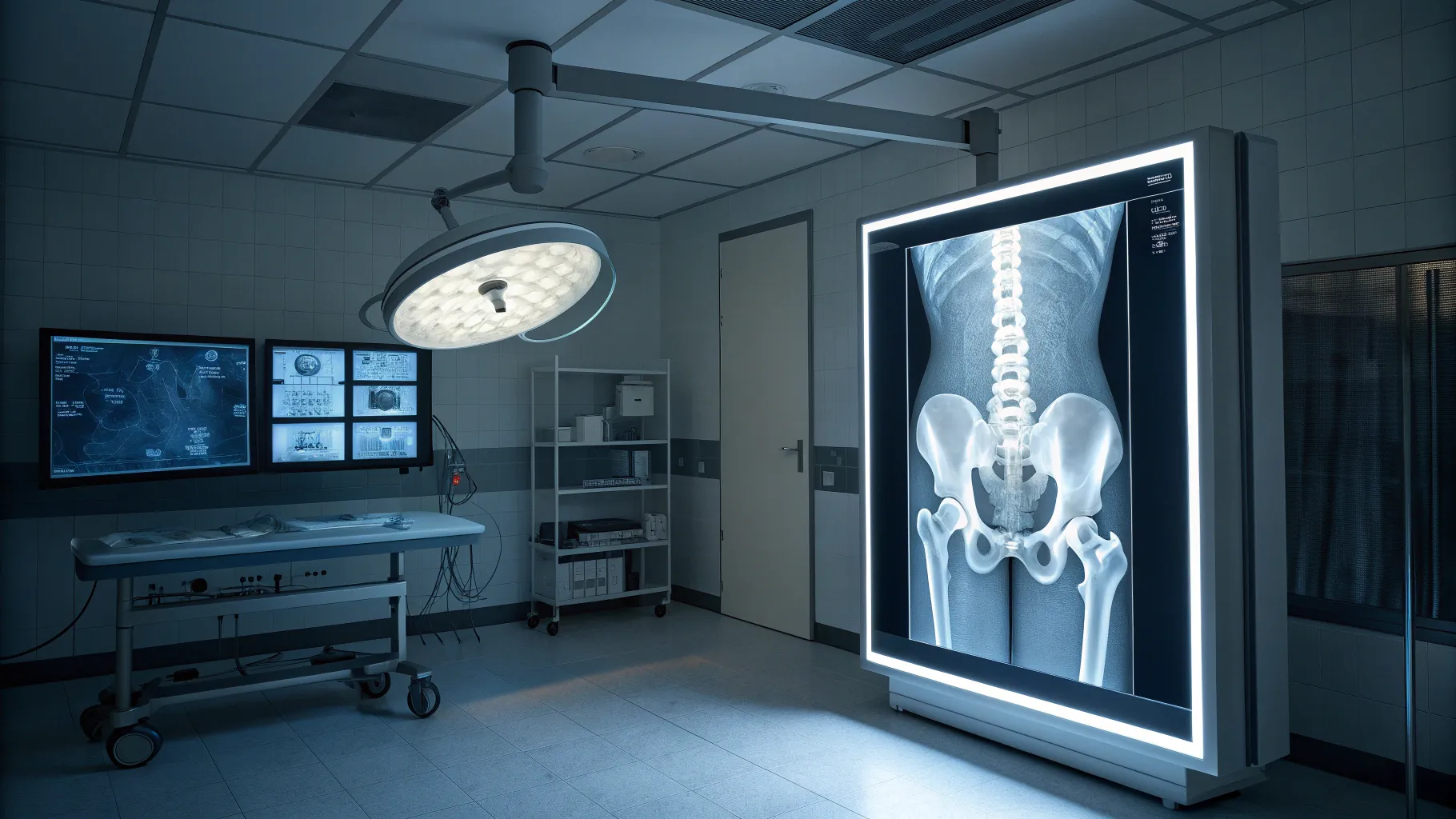
A total hip replacement can significantly improve quality of life, but like any medical device, an implant has a limited lifespan and can sometimes fail. Recognizing the warning signs early is crucial for effective management and preventing further complications. Understanding what to look for can help you and your doctor make informed decisions about your health.
Persistent Pain: A Primary Red Flag
While some discomfort is normal during the initial recovery period, persistent or worsening pain is one of the most significant indicators of a potential issue. This is distinct from the typical post-surgical soreness. Pay close attention to the nature of the discomfort, as it can provide clues about the underlying problem.
Exploring Causes of Pain After Hip Replacement
The causes of pain after hip replacement can vary. It might manifest as a deep, dull ache in the groin or thigh, particularly when you start to walk or stand up. Sharp, sudden pain during movement can also be a warning sign. Pain that occurs even while resting or that disrupts your sleep should be taken very seriously and warrants immediate medical attention.
Common Symptoms of Implant Loosening
One of the primary reasons for hip implant failure is aseptic (non-infectious) loosening. This occurs when the bond between the bone and the implant weakens over time. The common symptoms of implant loosening often develop gradually and can be subtle at first.
- A feeling of instability: You might feel like your hip is “giving way” or is not secure when you put weight on it.
- Popping or clicking sounds: Audible noises from the hip joint during movement can indicate that components are moving abnormally.
- Increased pain with activity: Discomfort that intensifies after walking or standing for periods and eases with rest is a classic symptom.
Noticeable Mobility Changes and Instability
A successful hip replacement should restore function and mobility. Any regression in your ability to move freely is a cause for concern. These mobility changes can be a clear sign that the implant is no longer functioning as it should.
Watch for the development of a limp that wasn't there before or a noticeable decrease in your hip's range of motion. You might find it harder to perform daily tasks like putting on shoes, getting out of a chair, or climbing stairs. A feeling of stiffness or the sense that the joint is unstable are also important symptoms to report to your doctor.
Signs of Infection or Dislocation
Though less common, infection is a serious complication that can occur months or even years after surgery. Signs of a localized infection include redness, swelling, and warmth around the hip incision area. Systemic symptoms like fever, chills, and night sweats can also indicate an infection that requires urgent care. Another serious issue is dislocation, where the ball of the implant comes out of the socket. This causes sudden, severe pain and an inability to move the leg, and it is a medical emergency.
When to Seek Evaluation from a Specialist
If you experience any of the symptoms discussed, it is essential to know when to seek evaluation. Do not ignore persistent pain, instability, or changes in your mobility. Schedule an appointment with your orthopedic surgeon to discuss your concerns. They will likely perform a physical examination and may order imaging tests like X-rays or a bone scan to assess the implant's condition and positioning. Early diagnosis and intervention are key to achieving the best possible outcome.
References:
https://www.mayoclinic.org/tests-procedures/hip-replacement/about/pac-20385042
https://orthoinfo.aaos.org/en/treatment/total-hip-replacement/
https://www.hopkinsmedicine.org/health/treatment-tests-and-therapies/hip-replacement-surgery