
Recognizing The Signs of Poor Blood Sugar Control: What to Watch For
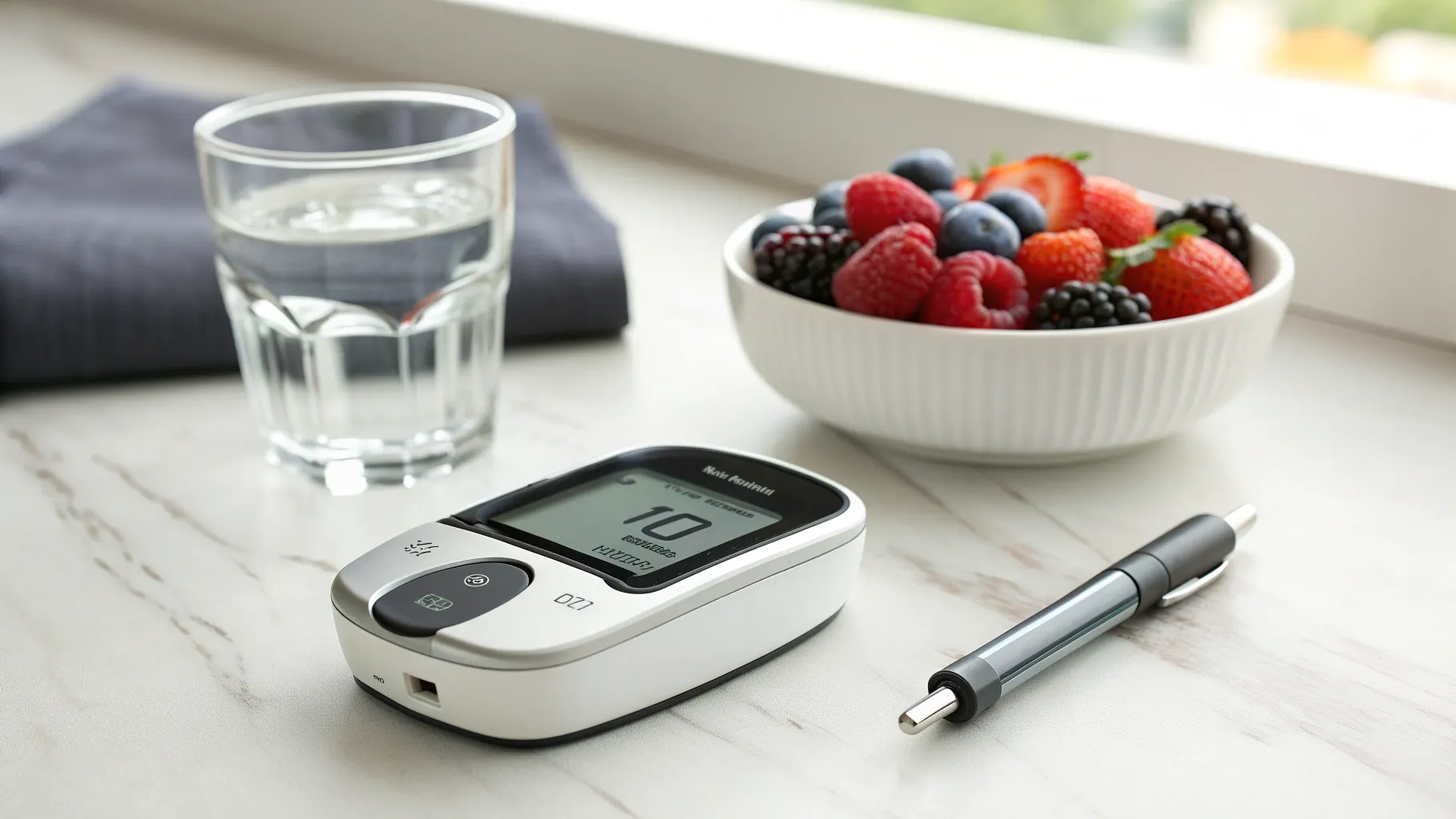
Maintaining stable blood sugar levels is crucial for overall health and well-being. When your body struggles to manage glucose effectively, it can lead to various symptoms that might seem disconnected at first. Recognizing the signs of poor blood sugar control is the first and most important step in addressing the issue and preventing potential long-term complications. This guide will walk you through the key indicators you should not ignore.
Understanding Blood Sugar and Its Importance
Blood sugar, or glucose, is the main sugar found in your blood and it comes from the food you eat. It's your body's primary source of energy. Insulin, a hormone produced by the pancreas, helps move glucose from your blood into your cells to be used for energy. When this process is disrupted, either by insufficient insulin production or the body's inability to use insulin effectively, blood sugar levels can become too high (hyperglycemia) or too low (hypoglycemia). Consistent imbalance is a clear indicator of poor blood sugar control.
Common Physical Signs of High Blood Sugar
Hyperglycemia, or high blood sugar, often presents with a distinct set of symptoms. These are some of the most common physical signs of poor blood sugar control to be aware of:
- Frequent Urination: When there's excess sugar in your blood, your kidneys work overtime to filter and absorb it. When they can't keep up, the excess sugar is excreted into your urine, dragging along fluids from your tissues, which causes more frequent urination.
- Increased Thirst: The frequent urination leads to dehydration, which in turn makes you feel constantly thirsty.
- Unexplained Weight Loss: When your cells can't get glucose for energy, your body starts burning fat and muscle for fuel, resulting in weight loss even if you haven't changed your eating habits.
- Increased Hunger: Without enough insulin to help glucose enter your cells, your body's organs and muscles are low on energy, triggering intense hunger.
Subtle Signs You Shouldn't Overlook
Beyond the classic symptoms, there are more subtle signs of poor blood sugar control that can be easily missed or attributed to other causes. It is important to pay attention to these as well.
Indicators of Chronic Imbalance
- Blurred Vision: High blood sugar levels can pull fluid from the lenses of your eyes, affecting your ability to focus.
- Slow-Healing Sores or Frequent Infections: Poor blood sugar control can affect your circulation and impair the body's natural healing processes and ability to fight off infections.
- Tingling, Pain, or Numbness: Over time, high blood sugar can damage nerves, a condition known as neuropathy, often starting in the hands and feet.
Mental and Emotional Signs of Poor Blood Sugar Control
The impact of imbalanced blood sugar isn't just physical; it can significantly affect your mood and cognitive function. Difficulty concentrating is a common complaint, as brain cells need a steady supply of glucose to function optimally. You might also experience irritability, mood swings, and a general feeling of being unwell. Chronic fatigue is another major sign, as your body is not efficiently converting fuel into usable energy.
When to Consult a Healthcare Professional
If you are experiencing any of the signs of poor blood sugar control persistently, it is essential to speak with a doctor. Do not attempt to self-diagnose. A healthcare provider can perform simple blood tests to check your glucose levels and determine the underlying cause of your symptoms. Early diagnosis and management are key to preventing serious health complications and improving your quality of life. Taking proactive steps based on these signs is crucial for your long-term health.
References:
https://www.cdc.gov/diabetes/basics/symptoms.html
https://www.mayoclinic.org/diseases-conditions/hyperglycemia/symptoms-causes/syc-20373631
https://www.niddk.nih.gov/health-information/diabetes/overview/symptoms-causes