
A Comprehensive Guide to Skin Problems Common in Older Adults
Facts:
- Over 90% of individuals over 65 experience at least one skin disorder.
- Increased focus on sun protection is a key trend for managing Skin Problems Common in Older Adults.
Understanding Age-Related Changes in Senior Skin
As we age, our skin undergoes significant structural and functional changes. The production of collagen and elastin, the proteins responsible for skin's firmness and elasticity, slows down dramatically. Furthermore, years of cumulative sun exposure, environmental factors, and lifestyle choices begin to manifest visually. This natural process leads to a higher vulnerability to a range of dermatological issues. Understanding these underlying changes is the first step in effectively managing the various Skin Problems Common in Older Adults. Many of these conditions are benign, but some require medical attention to rule out more serious concerns. Proper skincare and awareness are crucial for maintaining skin health throughout the senior years.
The Most Prevalent Skin Problems Common in Older Adults
While the aging process is universal, certain skin conditions appear more frequently in the senior population. Recognizing these common issues can help in seeking timely and appropriate care. It is important to monitor any new or changing spots on the skin. Here are some of the most frequently diagnosed Skin Problems Common in Older Adults.
Dry, Itchy Skin (Xerosis and Pruritus)
Perhaps the most common complaint, xerosis (dry skin) and associated pruritus (itching), stems from the skin's reduced ability to retain moisture. Sebaceous glands produce less oil, and the outer skin layer thins, making it less effective as a barrier. This can lead to cracking, flaking, and persistent itching, which can significantly impact quality of life. Managing this involves using gentle cleansers and applying thick moisturizers regularly, especially after bathing.
Age Spots and Sun Damage (Solar Lentigines)
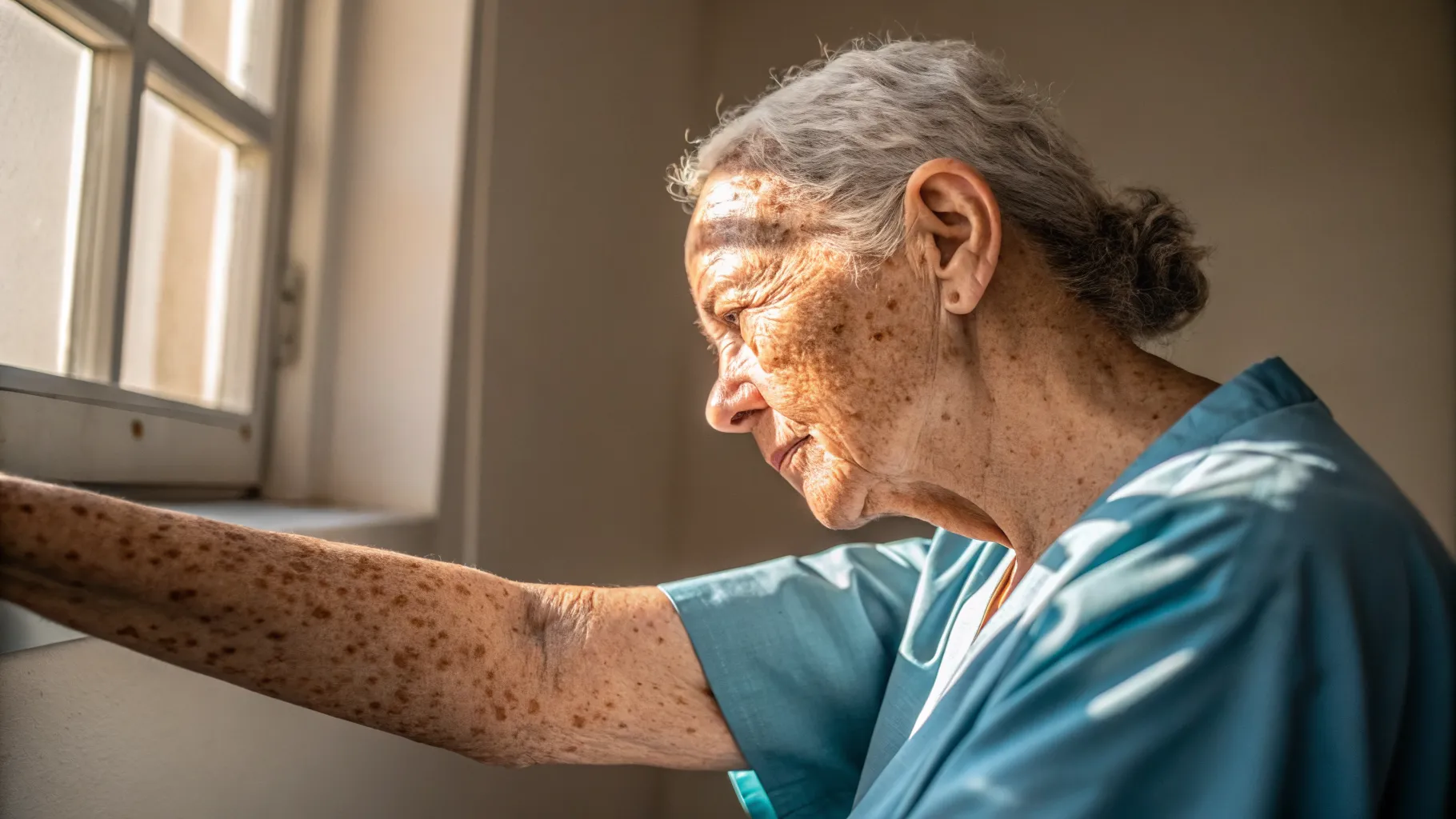
Often called liver spots, these flat, brown, or black spots have nothing to do with the liver. They are solar lentigines, caused by years of sun exposure. They typically appear on areas most exposed to the sun, like the face, hands, and arms. While benign, they are a clear indicator of sun damage, which is a risk factor for more serious Skin Problems Common in Older Adults, including skin cancer.
Benign Growths like Skin Tags and Seborrheic Keratoses
Skin tags are small, soft, flesh-colored growths that often appear on the neck, armpits, and groin. Seborrheic keratoses are waxy, slightly raised growths that can be brown, black, or tan. Both are harmless but can sometimes become irritated by clothing or jewelry. They are an extremely common part of the spectrum of Skin Problems Common in Older Adults and generally do not require treatment unless they are bothersome.
Distinguishing Harmless Changes from Serious Concerns
A primary anxiety for seniors is distinguishing between a benign age spot and a potentially cancerous lesion like melanoma. While many Skin Problems Common in Older Adults are harmless, vigilance is key. It's crucial to understand the warning signs. Benign growths like seborrheic keratoses often have a 'stuck-on' appearance and a uniform color. In contrast, melanoma is often identified using the ABCDE rule: Asymmetry (one half doesn't match the other), Border (irregular or ragged), Color (uneven shades of brown, black, or even red and blue), Diameter (larger than a pencil eraser), and Evolving (changing in size, shape, or color). Any lesion that bleeds, scabs, or fails to heal warrants an immediate visit to a dermatologist for a professional evaluation.
Actionable Strategies for Managing Senior Skin Health
Proactive care can significantly mitigate many of the discomforts and risks associated with geriatric skin. Integrating simple, consistent habits into a daily routine is the most effective approach to managing Skin Problems Common in Older Adults. Here are essential, actionable tips for maintaining healthier skin.
- Embrace Daily Moisturization: Apply a thick, fragrance-free cream or ointment to the entire body at least once a day, and always after bathing. This locks in moisture, repairs the skin barrier, and alleviates the dryness and itching common in older adults.
- Prioritize Sun Protection: Sunscreen isn't just for the beach. Apply a broad-spectrum sunscreen with an SPF of 30 or higher to all exposed skin every day, year-round. Wearing protective clothing, such as long sleeves and wide-brimmed hats, provides an additional layer of defense against UV damage.
- Use Gentle Cleansing Products: Harsh soaps and cleansers can strip the skin of its natural oils, exacerbating dryness. Opt for mild, hydrating, and soap-free cleansers. Limit hot baths or showers, as high water temperatures can further dry out the skin.
- Conduct Regular Skin Self-Exams: Once a month, check your skin from head to toe for any new or changing moles, spots, or growths. Use mirrors to check hard-to-see areas. This practice is vital for the early detection of potentially serious Skin Problems Common in Older Adults.
The Role of Nutrition and Hydration in Skin Integrity
What you consume internally has a profound effect on your skin's external health. A balanced diet rich in antioxidants, vitamins (especially C and E), and healthy fats can support skin repair and resilience. Proper hydration is equally critical; drinking plenty of water throughout the day helps maintain skin turgor and function. Dehydration can quickly worsen dry skin conditions. Conversely, habits like smoking accelerate collagen breakdown and constrict blood vessels, depriving the skin of oxygen and nutrients, thereby worsening many Skin Problems Common in Older Adults.
Frequently Asked Questions
Are wrinkles and fine lines considered one of the key Skin Problems Common in Older Adults?
While wrinkles are a visible sign of aging, they are generally classified as a cosmetic concern rather than a medical condition. Medical focus on Skin Problems Common in Older Adults is typically on conditions that cause discomfort, health risks, or significant changes in skin texture, such as severe dryness, benign growths, and skin cancers.
How can I tell if an itch is just dry skin or something more serious?
Itching from dry skin (pruritus) is often widespread and may be relieved with moisturizers. However, if the itch is localized, severe, persistent, accompanied by a rash, or disrupts your sleep, it's important to see a doctor. It could be a sign of an underlying medical issue beyond typical Skin Problems Common in Older Adults.
Are skin problems in older adults preventable?
Many conditions can be prevented or minimized with lifelong sun protection and a consistent skincare routine. While genetic factors and the natural aging process cannot be stopped, proactive measures can significantly reduce the severity and incidence of many Skin Problems Common in Older Adults, particularly those related to sun damage.
References
- American Academy of Dermatology Association - Skin Care in Your 60s and 70s
- National Institute on Aging - Skin Care and Aging
- The Journal of Clinical and Aesthetic Dermatology - Common Dermatologic Conditions in Geriatric Patients
- World Health Organization - Ageing and Health