
Discovering the Best Sleep Apnea Devices for Restful Nights
Fast Facts:
- Over 22 million Americans suffer from sleep apnea.
- Demand for portable sleep apnea devices is rapidly increasing for travelers.
Navigating the Landscape of Sleep Apnea Therapy Solutions
For individuals grappling with the disruptive effects of sleep apnea, finding effective sleep apnea devices is paramount to restoring sleep quality and overall health. The market offers a diverse range of sleep apnea treatment devices, each designed to address specific needs and preferences. Understanding the various options, from traditional CPAP machines to innovative oral appliances, is the first step towards achieving consistent, therapeutic relief. As technology advances, these devices are becoming more compact, comfortable, and user-friendly, making adherence to treatment easier than ever before. Exploring these solutions can significantly improve daily energy levels, reduce health risks, and enhance quality of life for those seeking effective sleep apnea therapy solutions.
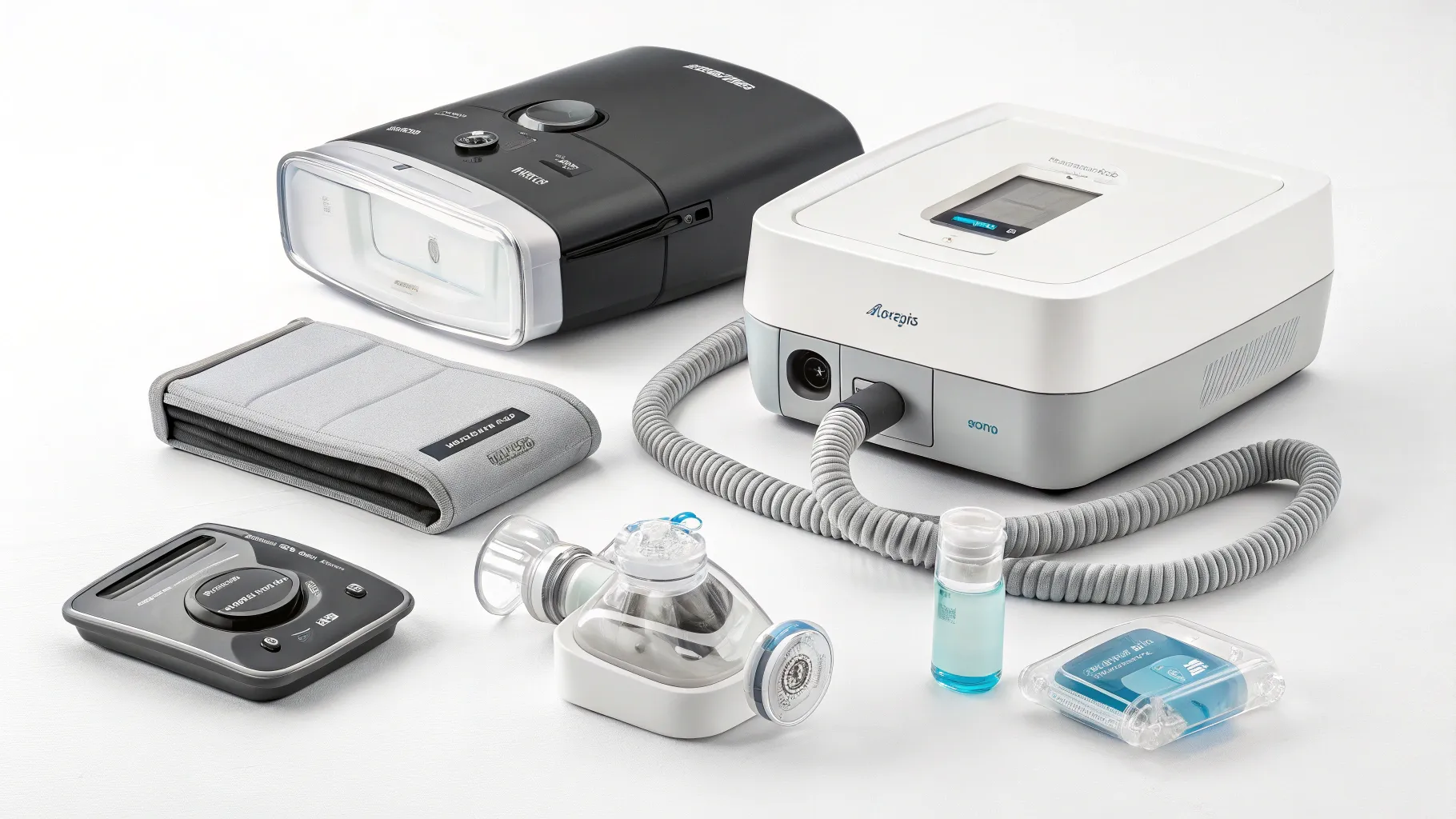
Understanding the Core Types of Sleep Apnea Devices
The primary category of sleep apnea devices revolves around positive airway pressure (PAP) therapy. Continuous Positive Airway Pressure (CPAP) machines remain the most widely prescribed and effective treatment for obstructive sleep apnea. A best CPAP machine delivers a steady stream of air through a mask, keeping the airway open and preventing breathing pauses. Beyond standard CPAP, BiPAP (Bi-level Positive Airway Pressure) machines offer two distinct pressure levels – a higher one for inhalation and a lower one for exhalation, which can be more comfortable for some users. Auto-CPAP (APAP) machines automatically adjust air pressure based on the user's breathing patterns throughout the night, offering a dynamic and responsive therapy. For those looking for convenience, portable sleep apnea devices, including compact CPAP models, have gained significant traction, making travel and daily life much simpler without interrupting critical therapy. These advancements ensure that a tailored solution is available for nearly every patient, emphasizing comfort and efficacy.
Choosing Your Ideal Sleep Apnea Treatment Devices
Selecting among the myriad of sleep apnea treatment devices requires careful consideration of individual needs, lifestyle, and the specific diagnosis. When looking for CPAP machines for sale, factors such as noise level, size, mask type, and humidifier options play a crucial role. A best CPAP machine often combines quiet operation with advanced data tracking features, allowing both patients and clinicians to monitor treatment effectiveness. For those who find traditional CPAP masks uncomfortable, alternative sleep apnea devices like oral appliances can be a viable option, particularly for mild to moderate cases. These custom-fitted mouthpieces work by repositioning the jaw or tongue to keep the airway open. Additionally, newer technologies like hypoglossal nerve stimulation offer an implantable solution for certain patients who cannot tolerate PAP therapy. Consulting with a sleep specialist is essential to determine the most appropriate device, ensuring that the chosen solution effectively manages the condition and promotes long-term adherence.
The Advantages of Modern Portable Sleep Apnea Devices
The evolution of portable sleep apnea devices has revolutionized treatment adherence for many patients. Gone are the days when therapy was confined to the bedroom; modern portable options allow users to maintain their treatment routine while traveling, camping, or even during power outages. These compact units are lightweight, often battery-powered, and designed for ease of transport. Many of these smaller CPAP machines for sale feature advanced pressure algorithms, quiet motors, and integrated humidifiers, delivering the same therapeutic benefits as their larger counterparts. The convenience of these portable sleep apnea devices significantly reduces barriers to consistent use, especially for those with active lifestyles or professional commitments that involve frequent travel. This flexibility is a critical component in improving the overall effectiveness of sleep apnea therapy solutions, ensuring patients receive uninterrupted care wherever they go.
Maximizing Comfort and Efficacy with the Best CPAP Machine
Identifying the best CPAP machine involves more than just selecting a brand; it's about matching advanced technology with personal comfort. Modern CPAP machines come with features designed to enhance user experience, such as heated humidifiers to prevent dryness, ramp functions that gradually increase pressure, and exhalation pressure relief (EPR) for easier breathing out. The mask interface is also critical; options range from nasal pillows to full-face masks, each offering unique benefits in terms of seal, comfort, and minimal contact. Investing in a high-quality machine that offers robust data reporting can also empower users and their doctors to fine-tune settings for optimal therapeutic outcomes. When exploring CPAP machines for sale, consider models that integrate seamlessly with companion apps for tracking sleep data and offering personalized insights, reinforcing the commitment to effective sleep apnea therapy solutions.
Actionable Advice for Maintaining Your Sleep Apnea Devices
Consistent maintenance is key to the longevity and effectiveness of all sleep apnea devices. Proper care not only extends the life of your equipment but also ensures hygienic and efficient therapy.
- Regular Cleaning: Daily clean your mask cushion and humidifying chamber with mild soap and warm water. Weekly, clean the entire mask, headgear, tubing, and water chamber thoroughly to prevent mold and bacteria buildup. This is crucial for all types of sleep apnea treatment devices.
- Filter Replacement: Check and replace air filters regularly, typically every two to four weeks, or as recommended by the manufacturer. Dirty filters can reduce airflow and impact the performance of your best CPAP machine.
- Component Inspection: Periodically inspect tubing for cracks or leaks, and check headgear for signs of wear. Replace these components as needed, usually every three to six months, to maintain an effective seal and optimal pressure delivery.
- Water Quality: Use distilled water in your humidifier to prevent mineral buildup and extend the life of the water chamber. This small step can make a big difference for any of your sleep apnea therapy solutions.
- Professional Check-ups: Schedule annual check-ups with your sleep specialist to review your therapy, evaluate your device's performance, and make any necessary adjustments. They can also advise on new portable sleep apnea devices or other advancements.
Frequently Asked Questions
What are the primary types of sleep apnea devices?
The primary types include Continuous Positive Airway Pressure (CPAP) machines, Bi-level Positive Airway Pressure (BiPAP) machines, Auto-CPAP (APAP) machines, and oral appliances. Each serves to keep the airway open during sleep, though they operate with slightly different mechanisms and are suited for varying severities of sleep apnea.
How often should I replace my CPAP machines for sale accessories?
Mask cushions should typically be replaced every two weeks to a month, the mask frame every three months, tubing every three to six months, and the headgear every six months. Filters should be replaced monthly, or as specified by the manufacturer, to ensure optimal performance and hygiene of your sleep apnea therapy solutions.
Are portable sleep apnea devices as effective as standard ones?
Yes, modern portable sleep apnea devices are designed to deliver the same therapeutic pressure and effectiveness as their larger counterparts. They are compact, lightweight, and often battery-powered, making them ideal for travel without compromising the quality of your sleep apnea treatment.
Can oral appliances replace a best CPAP machine?
For individuals with mild to moderate obstructive sleep apnea, oral appliances can be an effective alternative or complement to a CPAP machine. However, their suitability depends on the individual's specific condition and should always be determined in consultation with a sleep specialist or dentist specializing in sleep medicine.
What should I consider when looking for a best CPAP machine?
When selecting a CPAP machine, consider its noise level, size, available mask types, humidification options, data tracking capabilities, and pressure relief features. Comfort and ease of use are crucial for long-term adherence, so finding a machine that meets your personal needs is vital.
References
- American Academy of Sleep Medicine.