
Sleep Apnea Early Symptoms: How to Recognize the First Warning Signs
Facts:
- Sleep apnea affects over 22 million people in the U.S.
- A growing trend is using sleep apps to recognize early symptoms of sleep apnea.
Decoding the Night: Key Indicators of Oncoming Sleep Apnea
Identifying the initial signs of sleep apnea can be challenging because many of them occur while you are asleep. However, understanding these subtle clues is the first and most crucial step toward diagnosis and treatment. Many people dismiss loud snoring or daytime tiredness as normal parts of life, but they can be significant sleep apnea early symptoms. The ability to recognize early symptoms of sleep apnea is not just beneficial; it's essential for preventing long-term health complications associated with this condition, such as heart disease and high blood pressure. This guide will delve into the specific signs you and your loved ones should be watching for, both during the night and throughout the day.
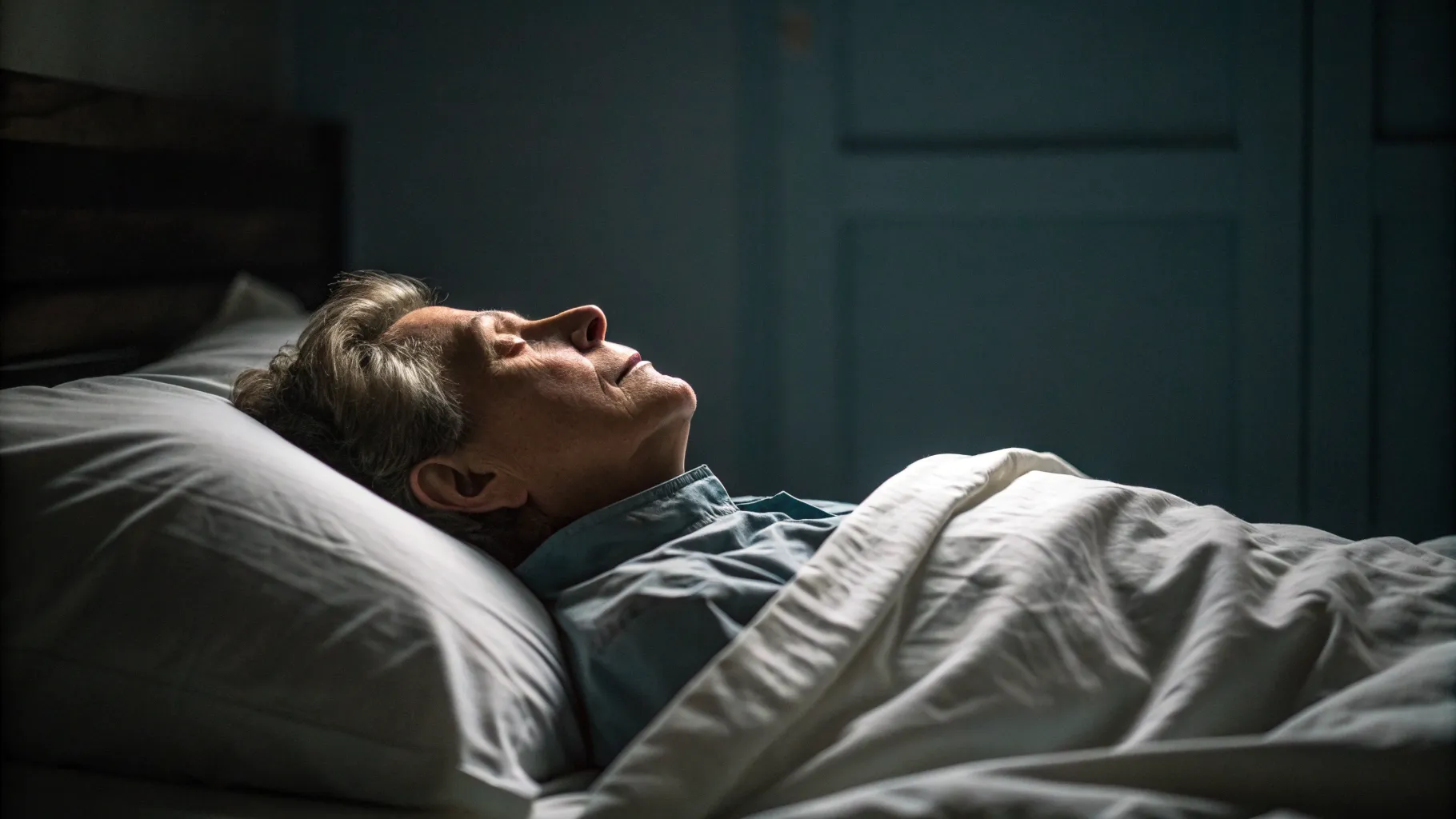
The Daytime Toll: Signs That Appear When You're Awake
While the primary events of sleep apnea happen at night, their consequences manifest strongly during the day. One of the most common sleep apnea early symptoms is excessive daytime sleepiness (EDS). This isn't just feeling a little tired; it's an overwhelming urge to sleep that can interfere with work, driving, and daily activities. You might find yourself dozing off during meetings or while watching TV. Another key indicator is waking up with a morning headache, often described as a dull, pressing pain. This is believed to be caused by a lack of oxygen and a buildup of carbon dioxide in the blood overnight. Furthermore, difficulty concentrating, memory problems, and irritability are cognitive signs that your brain isn't getting the restorative sleep it needs. It's vital to recognize early symptoms of sleep apnea like these, as they are often the first signs that something is wrong with your sleep quality.
Nocturnal Disruptions: What Happens While You Sleep
The most direct symptoms occur during sleep, though you may be unaware of them. Often, a bed partner is the first to notice. Loud, persistent snoring is a classic sign, but it's the pattern of the snoring that is most telling. It is often interrupted by periods of silence, which are actually pauses in breathing (apneas). These pauses can last from a few seconds to over a minute and are typically followed by a loud gasp, snort, or choking sound as the body struggles to breathe again. This cycle can repeat hundreds of times per night, severely disrupting sleep. Witnessing these episodes is a clear way to recognize early symptoms of sleep apnea. Other nighttime signs include restless sleep, frequent awakenings, and waking up with a dry mouth or sore throat due to breathing through your mouth.
Beyond Simple Snoring: Differentiating Benign Noise from a Medical Red Flag
It's crucial to understand that not all snoring indicates a medical problem. Simple snoring is often continuous and does not involve pauses in breathing. However, the snoring associated with sleep apnea is different and more alarming. It is characteristically loud, disruptive, and punctuated by the aforementioned gasps and snorts. If a partner reports that you stop breathing, even for short periods, it is a significant red flag. Another way to differentiate is by observing the consequences. Simple snoring might annoy a partner, but it doesn't typically lead to the severe daytime fatigue, morning headaches, or cognitive impairment that are hallmarks of underlying sleep apnea. Paying close attention to these differences is a key part of how you can recognize early symptoms of sleep apnea and understand when it's time to seek medical advice.
Your Action Plan: Steps to Take if You Suspect Sleep Apnea
If you or a loved one are exhibiting potential sleep apnea early symptoms, taking proactive steps is vital for your health. Ignoring the signs can lead to more severe health issues down the road. Here is what you can do:
- Keep a Sleep Diary: For two weeks, log your sleep patterns, how you feel upon waking, your level of daytime fatigue, and any other symptoms you notice. This provides valuable data for a doctor.
- Talk to Your Bed Partner: Ask them to observe your sleep. Have them listen for loud snoring, gasps for air, or noticeable pauses in your breathing. Their testimony is often critical evidence.
- Record Yourself Sleeping: If you sleep alone, consider using a smartphone app to record the sounds you make while sleeping. This can help you capture evidence of snoring patterns and breathing interruptions.
- Consult a Healthcare Professional: Schedule an appointment with your primary care physician or a sleep specialist. Share your sleep diary and any observations. They will be able to assess your symptoms and determine if a formal sleep study (polysomnography) is necessary for a definitive diagnosis.
The Hidden Dangers: Why Early Detection Is Critical
Failing to recognize early symptoms of sleep apnea and seek treatment can have serious, long-term consequences. The repeated drops in blood oxygen levels place enormous strain on your cardiovascular system. Over time, untreated sleep apnea significantly increases the risk of developing high blood pressure, heart attack, stroke, and atrial fibrillation. The condition is also strongly linked to type 2 diabetes, as the disruption of sleep can affect the body's ability to regulate blood sugar. The chronic fatigue associated with the disorder also increases the risk of accidents, particularly while driving or operating heavy machinery. By identifying sleep apnea early symptoms, you are taking the most important step in protecting your overall health and well-being from these preventable complications.
Frequently Asked Questions
Can children have sleep apnea early symptoms?
Yes, children can exhibit sleep apnea early symptoms, though they may differ from adults. Common signs include habitual snoring, breathing through the mouth during the day, behavioral problems, difficulty paying attention in school, and bedwetting. Enlarged tonsils and adenoids are a common cause in children.
Is it possible to recognize early symptoms of sleep apnea without a partner?
While a partner can be very helpful, it is possible to recognize early symptoms of sleep apnea on your own. Pay close attention to how you feel during the day. Waking up feeling unrefreshed, persistent daytime sleepiness, morning headaches, and difficulty concentrating are all significant clues that your sleep quality is compromised.
Are lifestyle changes enough to treat early sleep apnea?
For mild cases, lifestyle modifications can sometimes be effective. These include weight loss, avoiding alcohol and sedatives before bed, quitting smoking, and changing sleep positions (e.g., sleeping on your side instead of your back). However, for moderate to severe cases, treatments like CPAP therapy are often necessary. It's essential to get a medical diagnosis to determine the right course of action.
References
- National Institute of Neurological Disorders and Stroke: Sleep Apnea Information
- American Academy of Sleep Medicine: Clinical Practice Guideline for the Treatment of Obstructive Sleep Apnea
- The Sleep Foundation: Understanding Sleep Apnea Symptoms and Causes
- Mayo Clinic: Obstructive Sleep Apnea Patient Care & Health Information