
The Best Sleep Supplements Without Melatonin: A Complete Guide
Facts:
- Many alternatives focus on reducing anxiety and promoting relaxation.
- A growing trend shows consumers seeking Sleep Supplements Without Melatonin due to concerns about hormonal impact.
Beyond Melatonin: Exploring Effective Alternatives for Restful Sleep
Many individuals are searching for effective ways to improve their sleep quality without resorting to melatonin, often due to side effects like daytime grogginess, vivid dreams, or potential hormonal disruptions. The market for Sleep Supplements Without Melatonin has expanded significantly, offering a variety of natural and scientifically-backed options that target different pathways to relaxation and rest. These alternatives work by calming the nervous system, reducing anxiety, or supporting the body's natural sleep-wake cycle through non-hormonal means, providing a compelling choice for those seeking a more gentle approach to achieving deep, restorative sleep.
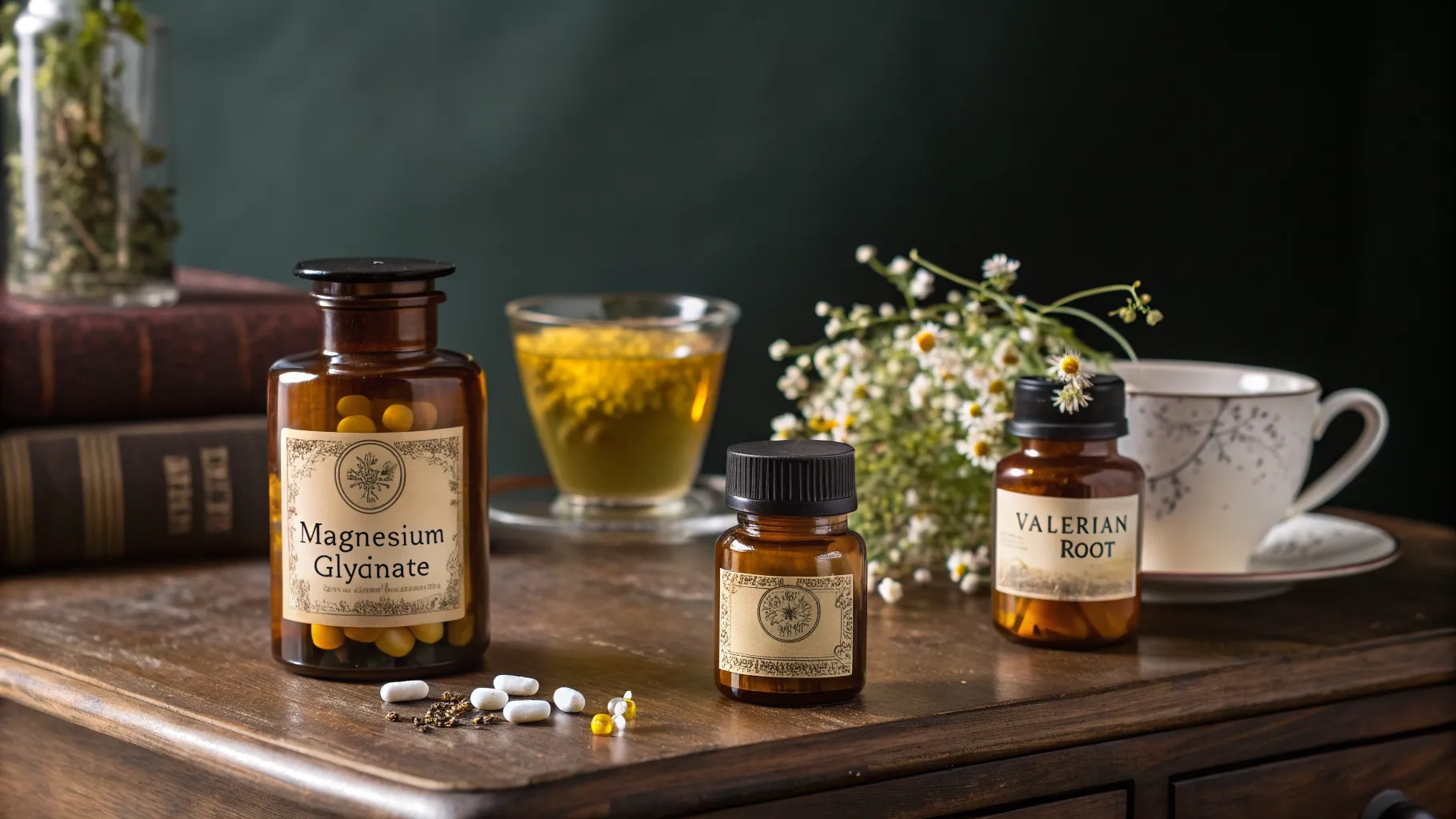
Top Ingredients in Sleep Supplements Without Melatonin
When exploring the world of Sleep Supplements Without Melatonin, it's crucial to understand the key ingredients and how they function. Unlike melatonin, which directly signals the body that it's time for sleep, these alternatives often work by creating the ideal conditions for sleep to occur naturally. They might soothe an anxious mind, relax tense muscles, or enhance the activity of calming neurotransmitters. Let's delve into some of the most effective and popular ingredients you'll find in these formulations.
Magnesium Glycinate
Magnesium is an essential mineral involved in over 300 biochemical reactions in the body, including those that regulate sleep. The glycinate form is particularly prized for its high bioavailability and gentle effect on the stomach. It helps regulate neurotransmitters that promote calm, such as GABA (gamma-aminobutyric acid), and can help quiet the nervous system. For those whose sleeplessness is tied to stress or restlessness, magnesium glycinate is a foundational component of many Sleep Supplements Without Melatonin.
L-Theanine
Found primarily in green tea leaves, L-Theanine is an amino acid known for promoting a state of 'calm alertness.' It works by increasing alpha brain waves, which are associated with relaxation and a meditative state, without causing drowsiness. This makes it an excellent option for individuals who struggle to quiet their racing thoughts at bedtime. It supports sleep by reducing stress and anxiety, allowing for a smoother transition into rest, making it a star ingredient in the best Sleep Supplements Without Melatonin.
Valerian Root
Valerian root has been used for centuries as a traditional remedy for insomnia and anxiety. It is believed to work by increasing the levels of GABA in the brain. Low GABA levels are linked to stress and poor sleep quality. By inhibiting the breakdown of GABA, valerian root produces a calming effect that can reduce the time it takes to fall asleep and improve overall sleep quality. It is one of the most well-researched herbal Sleep Supplements Without Melatonin.
Glycine
Glycine is another amino acid that plays a significant role in the nervous system. When taken as a supplement before bed, it can help lower core body temperature, which is a key physiological signal that initiates sleep. Studies have also shown that glycine can improve subjective sleep quality, lessen daytime sleepiness, and even improve performance on cognitive tasks the following day. Its role in thermoregulation makes it a unique and effective component in Sleep Supplements Without Melatonin.
How Do Melatonin-Free Options Compare?
The primary difference between melatonin and its alternatives lies in their mechanism of action. Melatonin is a chronobiotic hormone that directly manages your circadian rhythm, essentially telling your brain it's nighttime. In contrast, most Sleep Supplements Without Melatonin are not hormones. They are typically anxiolytics (reducing anxiety) or relaxants. For example, ingredients like L-Theanine and Valerian Root work on the GABAergic system to induce calm, while Magnesium helps relax muscles and quiet nerve activity. This means the experience can be different; rather than feeling a direct 'signal' to sleep, users often report a gradual, gentle drift into slumber as their mind and body relax. This makes them particularly suitable for individuals whose sleep problems are rooted in stress, anxiety, or physical tension rather than a disrupted circadian rhythm.
Choosing the Right Non-Melatonin Sleep Aid for You
Navigating the options for Sleep Supplements Without Melatonin requires a personalized approach. What works wonderfully for one person may not be as effective for another. Here are some actionable steps to help you find the best fit:
- Identify Your Sleep Challenge: Are you struggling to fall asleep due to a racing mind, or do you wake up frequently during the night? If anxiety is the culprit, L-Theanine or Valerian Root might be ideal. For muscle tension or restlessness, Magnesium Glycinate could be the answer.
- Consult a Healthcare Professional: Before starting any new supplement regimen, it is essential to speak with your doctor. They can help you identify potential interactions with other medications and ensure the chosen supplement is safe for your specific health profile.
- Start with a Single Ingredient: To understand how your body reacts, consider starting with a supplement that contains a single active ingredient rather than a complex blend. This allows you to gauge its effectiveness and monitor for any side effects accurately.
- Check for Third-Party Testing: Quality and purity are paramount. Look for products that have been tested by a third party (like NSF or USP) to ensure they contain the ingredients listed on the label and are free from contaminants. This is a critical step when selecting any Sleep Supplements Without Melatonin.
Potential Side Effects and Considerations
While generally considered safe, Sleep Supplements Without Melatonin are not without potential side effects. For instance, Valerian root can, in some individuals, cause headaches, dizziness, or stomach upset. It's important to start with the lowest effective dose and be mindful of how your body responds. Furthermore, some herbal supplements can interact with prescription medications, particularly sedatives, antidepressants, and blood thinners. Always disclose your supplement use to your healthcare provider to avoid adverse interactions. Remember that 'natural' does not always mean 'risk-free,' and informed, cautious use is the best practice for incorporating these aids into your wellness routine.
Frequently Asked Questions
Are sleep supplements without melatonin addictive?
Most common Sleep Supplements Without Melatonin, such as magnesium, L-theanine, and glycine, are not considered to be addictive. They do not typically cause physical dependence. However, it's possible to become psychologically reliant on any sleep aid, so it's best to use them as part of a broader healthy sleep hygiene strategy.
Can I take multiple sleep supplements without melatonin together?
Combining certain supplements can be effective, as many commercial blends do. For example, magnesium and L-theanine work well together. However, it's crucial to consult with a healthcare provider before combining supplements, especially those with similar sedative effects like valerian root and chamomile, to avoid excessive drowsiness or other side effects.
How long does it take for these supplements to work?
The onset of action varies by ingredient and individual. L-Theanine can promote relaxation within 30-60 minutes. Magnesium and Glycine may take longer to build up to therapeutic levels for sleep benefits. Valerian root often shows better results with consistent use over one to two weeks rather than as a one-off sleep aid. Patience is key when trying new Sleep Supplements Without Melatonin.
References
- National Center for Complementary and Integrative Health (NCCIH)
- Sleep Foundation research articles on herbal sleep aids
- Studies on Magnesium and its effects on the central nervous system
- Journal of Clinical Sleep Medicine