Sleep Technology: Innovations for a Better Night's Rest
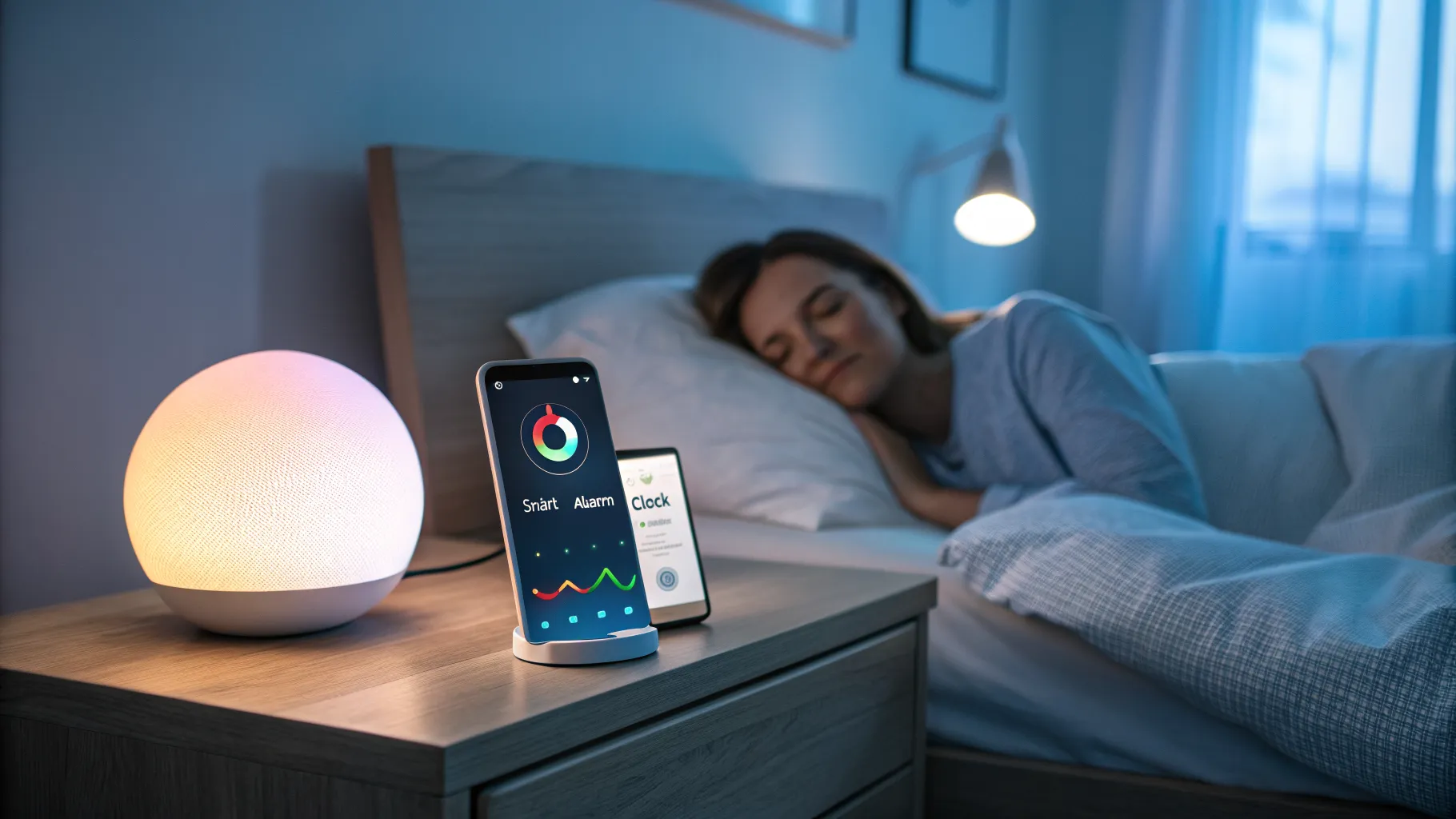
In our fast-paced world, a good night's sleep has become a prized commodity. Recognizing this need, a new wave of innovation known as sleep technology has emerged. These tools and devices are designed not just to track our sleep, but to actively help us improve its quality. By blending data, environmental control, and behavioral science, sleep tech offers personalized solutions for achieving more restorative rest.
What is Sleep Technology?
Sleep technology, or sleep tech, is a broad category of electronics and software designed to monitor, analyze, and enhance human sleep. The primary goal is to provide users with actionable insights into their sleep patterns and create an environment conducive to better rest. By quantifying aspects of sleep that were once invisible, these technologies empower individuals to make informed changes to their habits and routines.
The field encompasses a wide array of products. It includes wearable devices like smartwatches and rings, smart home integrations such as automated lighting and temperature control, advanced mattresses that adjust in real-time, and mobile applications that offer everything from soundscapes to digital coaching. While some devices are simple trackers, others are complex systems that actively intervene to improve the sleep environment.
Wearable Sleep Trackers
Among the most popular forms of sleep tech are wearable trackers. Devices such as smartwatches, fitness bands, and specialized rings are equipped with sensors that monitor key physiological signals throughout the night. These sensors typically measure heart rate, heart rate variability (HRV), body temperature, respiratory rate, and movement.
Using this data, algorithms estimate sleep duration and break it down into different stages: light, deep, and REM sleep. The companion apps present this information in easy-to-understand graphs, often assigning a daily 'sleep score'. This data can help users identify patterns, such as how a late-night meal or evening exercise affects their sleep quality, allowing them to adjust their behavior accordingly.
Smart Beds and Mattresses
Moving beyond wearables, smart beds and mattresses integrate technology directly into the sleeping surface. These systems offer a more seamless way to track sleep without needing to wear a device. They often use sensors embedded in the mattress to detect movement, breathing, and heart rate, providing a detailed analysis of sleep cycles and quality.
The key advantage of smart beds is their ability to make automatic adjustments. Some models can change firmness on different sides of the bed to suit individual preferences. Others feature climate control, allowing users to heat or cool their side of the bed to an optimal temperature. Advanced versions can even detect snoring and gently elevate the sleeper's head to open up airways, all without waking them.
Sound and Light Environment Control
The environment in which you sleep plays a critical role in its quality. Sleep technology addresses this by offering sophisticated tools to manage light and sound. These devices help align the body's internal clock, or circadian rhythm, with a healthy sleep-wake cycle. Light is a powerful signal for our brains, and controlling its exposure can make it easier to fall asleep and wake up feeling refreshed.
Several types of devices help create an ideal sensory environment for sleep. These include:
- Smart Lighting: These lights can simulate a natural sunset in the evening by gradually dimming and shifting to warmer color temperatures, which promotes melatonin production. In the morning, they can mimic a sunrise to provide a gentle, natural wakeup signal.
- White Noise Machines: Modern sound machines go beyond simple static. They offer a range of soothing sounds, such as rain, ocean waves, or ambient tones, to mask disruptive noises like traffic or a snoring partner.
- Sleep-Focused Audio Apps: Many apps provide curated soundscapes, guided meditations, and bedtime stories designed to calm the mind and ease the transition into sleep.
Apps and Digital Coaching
Software plays a significant role in the sleep tech landscape, often serving as the brain behind the hardware. Many sleep-focused mobile applications offer more than just data visualization. They provide structured programs and digital coaching to help users build healthier sleep habits. Some of the most effective apps are based on proven therapeutic techniques.
For example, a growing number of apps offer digital Cognitive Behavioral Therapy for Insomnia (CBT-I), which is considered a highly effective, long-term solution for chronic sleep problems. These programs guide users through techniques to challenge anxious thoughts about sleep, establish a consistent sleep schedule, and create a relaxing bedtime routine. This approach focuses on changing the underlying behaviors and thoughts that disrupt sleep.
Understanding and Using Sleep Data
While the data from sleep trackers can be fascinating, it is important to approach it with the right mindset. The numbers are estimates, not medical diagnoses. Their real value lies in identifying long-term trends rather than obsessing over a single night's score. For instance, you might notice your deep sleep consistently decreases on nights after you have alcohol or that your resting heart rate is lower after a week of consistent meditation.
It is also important to avoid what some experts call 'orthosomnia,' an unhealthy obsession with achieving perfect sleep scores. This anxiety can, ironically, interfere with sleep. The best approach is to use the data as a guide but to ultimately listen to your own body. If you wake up feeling rested and energetic, that is a more reliable indicator of good sleep than any score on an app.
What to Consider Before Investing
Before purchasing any sleep technology, it is wise to consider a few key factors. First, think about comfort and convenience. A wearable tracker is only useful if you are willing to wear it consistently, and a smart mattress is a significant investment. Consider what type of device best fits your lifestyle and what problem you are trying to solve.
Furthermore, be realistic about accuracy. Consumer-grade sleep trackers are excellent for identifying trends but are not medical devices. If you suspect you have a serious sleep disorder like sleep apnea, it is essential to consult a healthcare professional. Finally, consider data privacy. These devices collect sensitive health information, so it is important to understand the company's privacy policy and how your data will be used and protected.