
Sleep Technology: The Innovations Helping People Rest Better
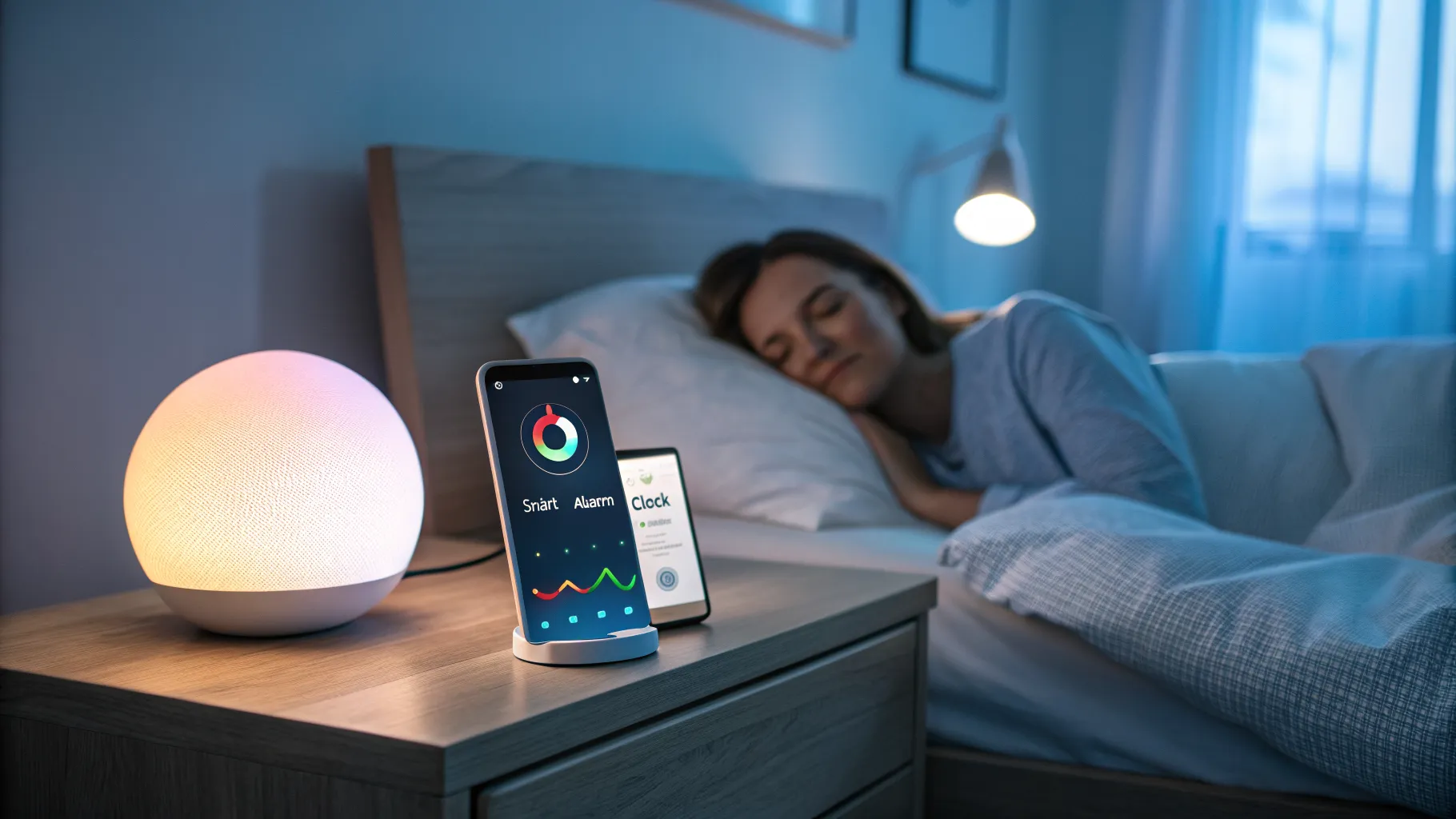
Getting a good night's sleep is fundamental to our overall health, yet many people struggle to achieve consistent, quality rest. In response, a wave of technological innovation has emerged, offering sophisticated tools designed to monitor, analyze, and improve our sleep patterns. These devices go far beyond simple alarms, providing deep insights into our nightly habits and creating an optimized environment for rest.
The Evolution of Sleep Tracking
The journey of sleep technology began with simple devices that primarily used accelerometers to track movement. The assumption was straightforward: less movement equaled deeper sleep. While groundbreaking at the time, this method provided a very limited and often inaccurate picture of what was happening during the night. These early trackers could estimate sleep duration but struggled to differentiate between light rest, deep sleep, and being awake but still.
Today's technology is far more advanced, incorporating a suite of sensors to build a comprehensive sleep profile. Modern devices often include optical heart rate sensors, blood oxygen monitors, and skin temperature sensors. By combining this data, sophisticated algorithms can more accurately identify different sleep stages, including Light, Deep, and REM sleep. This detailed analysis provides users with actionable insights into their sleep architecture, helping them understand where improvements can be made.
Wearable Sleep Monitors
Wearable technology is perhaps the most common form of sleep tracking available today. These devices come in several forms, each with its own approach to collecting data. Smartwatches and fitness bands are popular choices, as they offer sleep tracking as part of a larger health monitoring ecosystem. They are worn on the wrist and use sensors on the underside to monitor vitals throughout the night.
Another growing category is the smart ring. These are worn on the finger and are often praised for their comfort and accuracy, as the finger is an excellent location for measuring heart rate and body temperature. For those who prefer not to wear anything on their wrist or hand, there are also options like adhesive patches or chest straps. Regardless of the form factor, these wearables typically track key metrics such as:
- Sleep duration and consistency
- Time spent in each sleep stage
- Resting heart rate and heart rate variability (HRV)
- Respiratory rate
- Body temperature fluctuations
- Blood oxygen saturation (SpO2)
Smart Beds and Mattresses
For a completely non-invasive tracking experience, smart beds and mattresses integrate technology directly into the sleeping surface. These systems use embedded sensors to monitor your body without requiring any wearables. Pressure sensors can track tossing and turning, breathing rate, and heart rate, providing a detailed sleep report each morning. This is an ideal solution for individuals who find wearing a device to bed uncomfortable.
Beyond just tracking, many smart beds offer active features to improve sleep quality. Some models include automatic firmness adjustment, which changes the support level based on your sleeping position. One of the most significant innovations is temperature regulation. These beds can heat or cool each side of the bed independently, allowing partners to set their ideal sleeping temperature. Some systems even adjust the temperature throughout the night to align with the body's natural thermal cycle, promoting deeper and more sustained sleep.
Enhancing the Sleep Environment
The quality of your sleep is heavily influenced by your surroundings, particularly light, sound, and temperature. Sleep technology now extends to devices that help you control and optimize these environmental factors. Smart lighting, for example, can be programmed to mimic the natural cycle of the sun. In the evening, it can emit warmer, dimmer light to reduce blue light exposure and promote melatonin production. In the morning, it can simulate a gradual sunrise to help you wake up more naturally.
Smart sound machines and white noise generators have also become more sophisticated. Instead of just a few repetitive sounds, modern devices offer a wide library of soundscapes, from pink noise and brown noise to gentle rain or ocean waves. Many can also be controlled via an app, allowing you to set timers or adjust volume from your phone. Paired with a smart thermostat that lowers the room temperature during the night, these tools work together to create the perfect sanctuary for sleep.
Cognitive and Audio-Based Sleep Aids
Sometimes the biggest obstacle to sleep isn't physical but mental. An active mind can make it difficult to drift off. To address this, many apps and dedicated devices use audio and cognitive techniques to help calm the brain. These platforms often feature guided meditations, sleep stories, or mindfulness exercises specifically designed to help you unwind before bed.
More advanced technology in this area includes devices that use neurofeedback. Some headbands use EEG sensors to monitor your brainwave activity and provide real-time audio cues that gently guide your brain into a more relaxed state conducive to sleep. Another popular audio technology is binaural beats, which involves playing slightly different sound frequencies in each ear to encourage specific brainwave patterns associated with relaxation and deep sleep.
What to Consider Before Investing
While sleep technology offers powerful tools, it is not a cure-all. It is most effective when used to supplement good sleep hygiene habits, such as maintaining a consistent sleep schedule, creating a relaxing bedtime routine, and avoiding caffeine and alcohol before bed. The data provided by these devices is valuable for identifying patterns, but it is up to the user to make the necessary lifestyle adjustments.
When choosing a sleep tech device, consider factors like comfort, battery life, and data privacy. A tracker is only useful if you wear it consistently. It's also important to remember that most consumer-grade devices are not medical instruments and should not be used to diagnose conditions like sleep apnea. If you have serious concerns about your sleep, it is always best to consult with a healthcare professional. Look for devices that present data in a clear, understandable way that helps you make informed decisions about your habits.