Recognizing the Signs: A Guide to Social Anxiety Symptoms
Social anxiety disorder, also known as social phobia, is a common mental health condition characterized by a significant and persistent fear of being watched and judged by others. While it's normal to feel nervous in some social situations, social anxiety disorder involves fear and anxiety that are so intense they interfere with daily routines, work, school, or other activities. Understanding its multifaceted symptoms is the first step toward recognizing the condition in oneself or others.
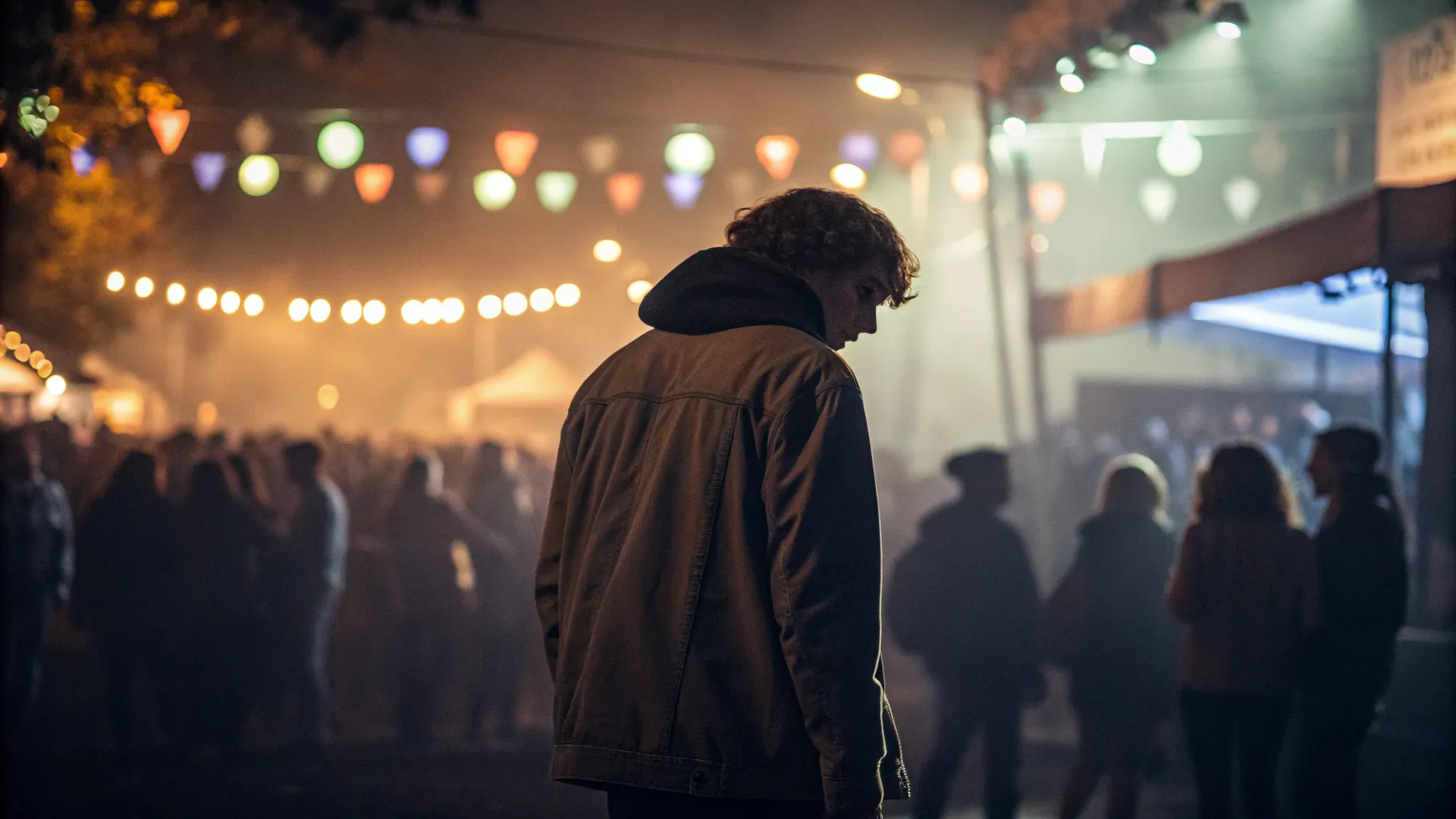
What Distinguishes Social Anxiety from Shyness?
Many people confuse social anxiety with shyness, but they are not the same. Shyness is a personality trait, often involving a feeling of awkwardness or apprehension in new situations or around unfamiliar people. It is typically short-lived and doesn't cause significant distress. Individuals who are shy can usually warm up to a situation over time and participate comfortably.
Social anxiety disorder, on the other hand, is a clinical condition that involves an intense, persistent fear of social situations. The fear is often centered on the possibility of being scrutinized, judged, or embarrassing oneself. This fear can be so overwhelming that it leads to complete avoidance of social events, causing major disruptions in a person's life and relationships. The anticipation of a social event can cause anxiety for days or even weeks beforehand.
Emotional and Behavioral Symptoms
The emotional and behavioral signs of social anxiety are often the most noticeable. They stem from a deep-seated fear of negative evaluation from others. This fear can manifest in various ways, impacting how a person behaves in and around social settings. Individuals might go to great lengths to avoid situations they find threatening.
Common signs to look for include:
- Intense fear of interacting with strangers.
- Worrying about embarrassing or humiliating yourself.
- Fear that others will notice you look anxious.
- Anxiety in anticipation of a feared social event.
- Avoiding doing things or speaking to people out of fear of embarrassment.
- Avoiding situations where you might be the center of attention.
- Enduring a social situation with intense fear or anxiety.
- Spending time after a social situation analyzing your performance and identifying flaws.
Physical Manifestations of Social Anxiety
Social anxiety doesn't just exist in the mind; it can trigger a strong physical stress response. When faced with a feared social situation, the body can react as if it's in immediate danger. These physical symptoms can be very uncomfortable and can even worsen the anxiety, as the person may start to worry that others will notice their physical distress.
These physical symptoms can appear suddenly and may include blushing, profuse sweating, trembling or shaking, and a rapid heartbeat. Some people may also experience an upset stomach or nausea, shortness of breath, dizziness or lightheadedness, and a feeling that their mind has gone blank. These reactions are part of the body's 'fight or flight' response, triggered inappropriately by a social stimulus.
Cognitive Symptoms and Thought Patterns
The cognitive symptoms of social anxiety involve the internal thought processes and beliefs that fuel the fear. These are often automatic negative thoughts that pop up before, during, and after social interactions. These thoughts are typically distorted and do not reflect the reality of the situation, but they feel very real and convincing to the person experiencing them.
Common cognitive patterns include a strong belief that you will embarrass yourself, assuming that people are thinking negatively about you, and focusing only on your perceived flaws while ignoring your positive attributes. A person with social anxiety might also engage in 'mind-reading,' where they believe they know what others are thinking. After an event, they may ruminate for hours or days, replaying conversations and focusing on every perceived mistake, which reinforces their anxiety for the next time.
Common Triggers and Situations
While any social interaction can be a source of stress, certain situations are particularly common triggers for people with social anxiety disorder. These situations often involve performance or interaction with unfamiliar people. The fear is not necessarily of the situation itself, but of the potential for scrutiny and negative judgment within that situation.
Examples of common triggers include meeting new people, being the center of attention, being watched while doing something, and public speaking. Other difficult situations can include making small talk, eating or drinking in public, using public restrooms, attending parties, and starting conversations. For some, even making eye contact or returning an item to a store can be a source of significant anxiety.
When to Consider Seeking Professional Help
Experiencing some anxiety in social settings is a normal part of life. However, when the fear and avoidance become so severe that they negatively impact your education, career, relationships, or general enjoyment of life, it may be time to seek help. If you find yourself consistently avoiding social situations, experiencing intense distress when you can't avoid them, or if your fear seems out of proportion to the actual situation, speaking with a healthcare provider or mental health professional is a good next step.
A professional can help determine if you are experiencing social anxiety disorder or another condition. They can provide a proper diagnosis and discuss various approaches to managing the symptoms. Recognizing that your anxiety is causing significant problems in your life is an important first step toward feeling better and regaining control over your social well-being.