The Ultimate Guide to Unforgettable South Africa Safari Holidays
Facts:
- Kruger National Park is larger than the country of Israel.
- Self-drive options are a growing trend for South Africa Safari Holidays.
Why South Africa is the Premier Destination for Safari Holidays
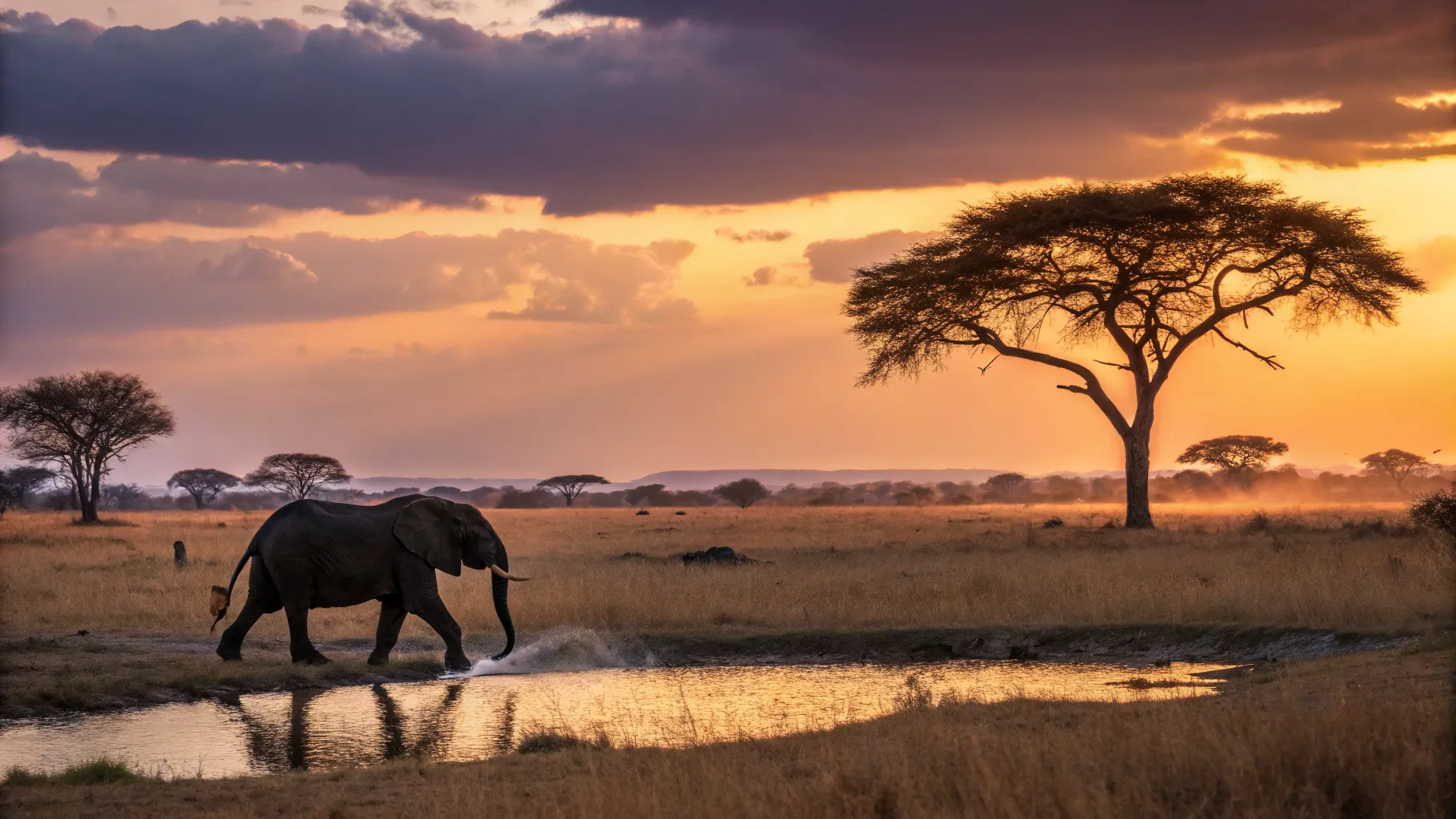
Embarking on an adventure to the southernmost tip of Africa offers an experience unlike any other, and at the heart of this allure are the world-renowned South Africa Safari Holidays. This is a land of breathtaking diversity, from the iconic flat-topped Table Mountain to the rugged coastlines and the vast, wildlife-rich savannahs of the bushveld. For travelers seeking a profound connection with nature, the opportunity to witness the 'Big Five'—lion, leopard, rhinoceros, elephant, and Cape buffalo—in their natural habitat is a primary draw. But a safari here is more than just a checklist of sightings; it’s an immersion into a vibrant ecosystem, a journey that promises thrilling game drives, luxurious lodges, and memories that will last a lifetime. The sheer variety of experiences available makes South Africa Safari Holidays accessible for every type of traveler, from rustic adventurers to those seeking opulent comfort.
Choosing Your Ideal Safari: Kruger vs. Private Game Reserves
One of the first major decisions when planning your trip is choosing between the vast Kruger National Park and the exclusive private game reserves that often border it. Kruger National Park, a public park, allows for self-driving, offering a sense of freedom and adventure at a more budget-friendly price point. You can explore at your own pace, staying in a network of government-run rest camps. However, this also means you must stick to designated roads and can face more crowds. In contrast, private game reserves like Sabi Sand or Timbavati offer a more luxurious and intimate experience. On these South Africa Safari Holidays, you'll be guided by expert rangers in open 4x4 vehicles who can go off-road for closer wildlife encounters. These reserves often have unfenced borders with Kruger, allowing animals to roam freely while providing guests with exclusive access, fewer vehicles at sightings, and often all-inclusive packages that include gourmet meals and guided bush walks.
The Best Time of Year for South Africa Safari Holidays
Timing is crucial for optimizing your safari experience. The best period for wildlife viewing is generally during the dry winter season, from May to September. During these months, the vegetation is less dense, and water is scarce, forcing animals to congregate around rivers and waterholes, making them easier to spot. The weather is also pleasant, with mild, sunny days and cool nights. Conversely, the wet summer season, from October to April, transforms the landscape into a lush, green paradise. While the thicker bush can make animals harder to see, this is the birthing season for many species, offering incredible sights of young animals. It's also the best time for birdwatching, as migratory birds arrive in their thousands. Ultimately, the best time for South Africa Safari Holidays depends on your priorities, whether it's peak game viewing or seeing the bush at its most vibrant.
What to Expect: A Typical Day on Safari
A day on safari follows a rhythm dictated by the animals. Your adventure typically begins before sunrise with a wake-up call, followed by coffee and a light snack. You'll then head out on your first game drive as the sun rises, a magical time when predators are most active. After a few hours of tracking and observation, you'll return to the lodge for a hearty breakfast. The middle of the day is usually reserved for relaxation—you can take a dip in the pool, read a book, or enjoy a siesta as the African heat peaks and the animals rest. In the late afternoon, after high tea, you'll embark on your evening game drive, which extends into the night. This is a fantastic opportunity to see nocturnal creatures like leopards, hyenas, and owls, using a spotlight to find them. The drive concludes with sundowner drinks in the bush before returning for a delicious dinner, often served under the stars.
Essential Packing List for Your Safari Adventure
Packing correctly can significantly enhance your comfort and enjoyment during South Africa Safari Holidays. The key is to pack light and choose practical items.
- Neutral-Colored Clothing: Pack lightweight clothes in khaki, beige, brown, and green. These colors help you blend in with the environment and are less likely to attract insects. Avoid bright colors and white, which can scare animals, and dark blue or black, which can attract tsetse flies in some areas.
- Layered Outfits: Early mornings and evenings can be quite chilly, even in summer. Pack a fleece, jacket, or warm sweater to wear over your lighter shirts. This allows you to adjust your clothing as the temperature changes throughout the day.
- Sun Protection: The African sun is strong. A wide-brimmed hat, high-SPF sunscreen, and sunglasses are non-negotiable items to protect you from harmful UV rays during game drives and other outdoor activities.
- Comfortable Footwear: A pair of sturdy, comfortable walking shoes or hiking boots is essential for bush walks. For relaxing around the lodge, a pair of sandals or flip-flops will be perfect.
- Binoculars and Camera: While your guide will get you as close as safely possible, a good pair of binoculars is invaluable for spotting distant wildlife and for birdwatching. Don't forget your camera, extra batteries, and memory cards to capture the incredible moments.
Frequently Asked Questions
How much do South Africa Safari Holidays typically cost?
The cost of South Africa Safari Holidays can vary dramatically based on accommodation style, duration, and exclusivity. Budget-friendly self-drive safaris in national parks can be quite affordable, while mid-range lodges offer a balance of comfort and value. Luxury lodges in private reserves represent the high end, with all-inclusive pricing that covers gourmet meals, drinks, and expertly guided activities.
Are South Africa Safari Holidays safe for families?
Yes, they are incredibly safe and offer a fantastic educational experience for children. Many lodges are family-friendly, offering special programs, dedicated family suites, and guides trained to engage with younger guests. It's always important to follow the safety briefings provided by your lodge and guide, especially concerning wildlife encounters.
What is the 'Big Five' and can I see them on my safari?
The 'Big Five' refers to the lion, leopard, rhinoceros, elephant, and Cape buffalo. These animals were historically considered the most difficult and dangerous to hunt on foot. While sightings are never guaranteed in the wild, South Africa, particularly the Greater Kruger area, offers one of the best chances in the world to see all five, often during a single trip.
References
- South African National Parks Annual Report
- Conde Nast Traveller: The Ultimate Safari Guide
- Journal of African Ecology
- National Geographic: Wildlife Conservation in Africa